Introduction
Cheesman’s Gerbil, scientifically known as Gerbillus cheesmani, is a fascinating species of small rodent belonging to the family Muridae. This species is named after the British explorer and naturalist Robert Ernest Cheesman. Known for its adaptability to harsh desert environments, Cheesman’s Gerbil is an intriguing subject for both researchers and wildlife enthusiasts. Despite its modest size, this gerbil plays a significant role in the ecosystems it inhabits, primarily within the deserts of the Middle East. This article delves into various aspects of Cheesman’s Gerbil, from its physical attributes and habitat to its behavior, diet, and conservation status.
Physical Description
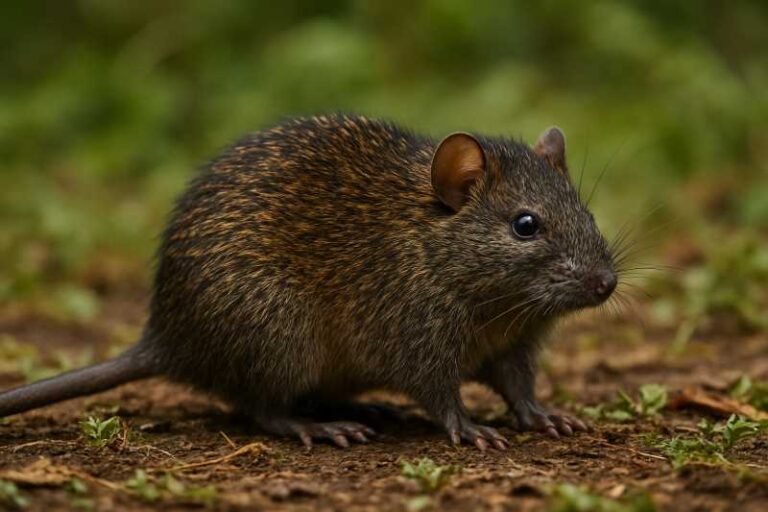
Cheesman’s Gerbil is a small rodent, typically measuring between 18 and 22 centimeters in length, including its tail, which accounts for about half of its total length. It weighs approximately 30 to 50 grams, making it a lightweight among its peers. Its fur is soft and dense, with a sandy or pale brown coloration that provides excellent camouflage against the desert backdrop. The underbelly is usually lighter, often white or cream-colored.
The gerbil’s large, black eyes are adapted for nocturnal life, providing excellent night vision. Its ears are relatively large and rounded, aiding in acute hearing essential for detecting predators. The tail is long and covered with hair, ending in a tuft, which likely serves as a balance aid during swift movements. The hind legs are more robust than the front ones, enabling the gerbil to leap and navigate through its arid habitat efficiently.
Range and Habitat
Cheesman’s Gerbil is predominantly found in the arid regions of the Middle East, including countries such as Saudi Arabia, Oman, the United Arab Emirates, and parts of Iran and Iraq. Its preferred habitat includes sandy deserts, gravel plains, and sparsely vegetated areas. This species thrives in environments with loose, sandy soils that facilitate burrowing—a fundamental aspect of its survival strategy.
The gerbil’s burrows provide shelter from the extreme temperatures characteristic of desert climates, as well as protection from predators. These burrows are often simple structures with a few chambers and multiple entrances, allowing for quick escapes if threatened. Cheesman’s Gerbil can also be found in coastal areas where sand dunes prevail, demonstrating its remarkable adaptability to diverse desert landscapes.
Behavior and Diet
Cheesman’s Gerbil is primarily nocturnal, emerging from its burrow at dusk to forage for food. This behavioral adaptation helps avoid the extreme heat of the desert day. The gerbil is solitary by nature, with individuals typically meeting only for mating purposes. However, in areas with abundant resources, small groups may form.
The diet of Cheesman’s Gerbil consists mainly of seeds, grains, and the occasional insect, reflecting its omnivorous tendencies. It is well-adapted to obtain moisture from its food, which is crucial for survival in arid environments where water is scarce. During periods of food abundance, the gerbil may collect and store seeds in its burrow for later consumption.
Identification Tips (Field Recognition Cues)
Identifying Cheesman’s Gerbil in the field involves observing several key characteristics:
- Size and Shape: Look for a small rodent with a body length of about 9 to 11 centimeters, excluding the tail.
- Coloration: Note the sandy or pale brown fur with a lighter underside, which blends well with the desert surroundings.
- Tail: A long, hairy tail with a distinctive tuft at the end is a prominent feature.
- Eyes and Ears: The large, black eyes and rounded ears are adapted for nocturnal activity.
- Behavior: Observe nocturnal foraging habits and burrow entrances in sandy or gravelly terrains.
Conservation Status (With Threats and Protections)
As of the latest assessments, Cheesman’s Gerbil is classified as a species of Least Concern by the International Union for Conservation of Nature (IUCN). This status reflects its wide distribution and presumed large population. However, certain threats could impact specific populations, including habitat degradation due to human activities such as agriculture expansion and urban development.
Climate change poses another potential threat, altering the desert ecosystems that support the gerbil. Conservation efforts in the region focus on habitat preservation and monitoring population trends to ensure long-term stability.
Frequently Asked Questions
Q1: What do Cheesman’s Gerbils eat?
Cheesman’s Gerbils primarily eat seeds and grains, supplemented by insects. They are adapted to extract moisture from their food, which helps them survive in dry desert environments.
Q2: Where can Cheesman’s Gerbil be found?
They inhabit the deserts of the Middle East, including Saudi Arabia, Oman, the UAE, and parts of Iran and Iraq, preferring sandy and gravelly terrains.
Q3: How do Cheesman’s Gerbils avoid predators?
Cheesman’s Gerbils use their burrows for protection and have keen senses of hearing and vision to detect and escape from predators, often at night.
Q4: Are Cheesman’s Gerbils endangered?
Currently, they are classified as Least Concern by the IUCN, indicating that they are not at immediate risk of extinction, although local threats exist.
Q5: How do Cheesman’s Gerbils adapt to desert life?
They are nocturnal, have fur that camouflages with the desert, obtain moisture from food, and live in burrows to avoid extreme temperatures.
Related posts