Introduction
Husson’s Water Rat (Hydromys hussoni) is an intriguing mammal species that captures the interest of zoologists and wildlife enthusiasts alike. Belonging to the family Muridae, this semi-aquatic rodent is native to certain regions in Southeast Asia. Known for its adaptability to aquatic environments and distinct morphological features, Husson’s Water Rat plays a vital role in the ecosystems it inhabits. This article provides a comprehensive overview of the species, offering insights into its physical characteristics, habitat preferences, and conservation status.
Physical Description
Husson’s Water Rat has a unique set of physical traits that distinguish it from other rodent species. Adults typically measure between 20 to 28 centimeters in body length, with an additional tail length of approximately 15 to 25 centimeters. This species exhibits sexual dimorphism, with males generally being larger than females.
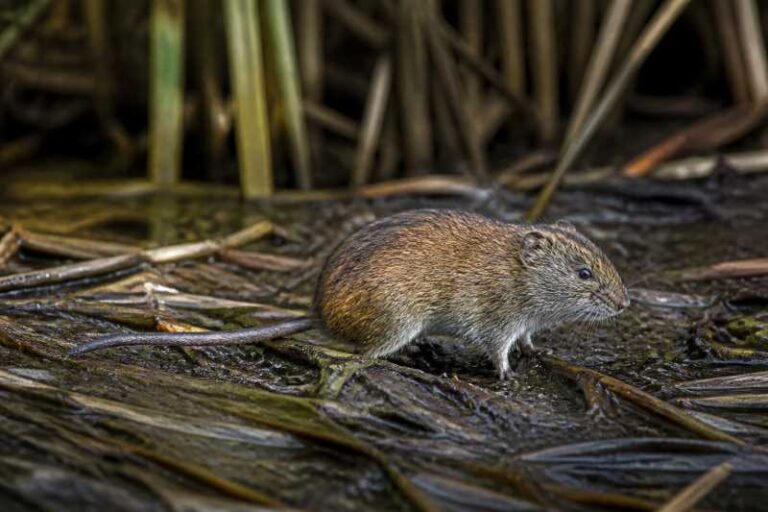
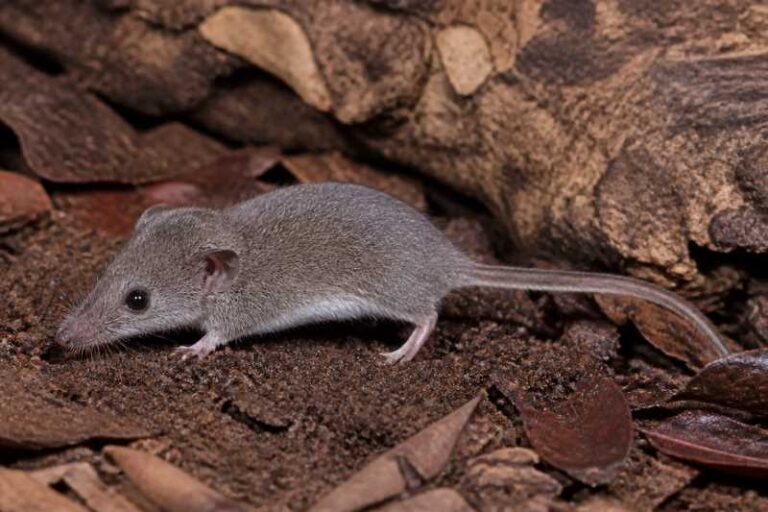
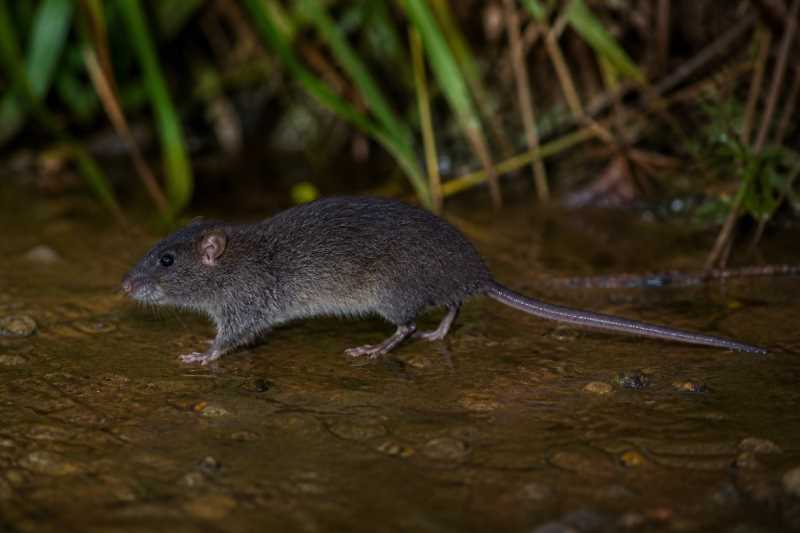
The water rat’s fur is dense and water-repellent, a crucial adaptation for its semi-aquatic lifestyle. The dorsal side is usually dark brown, while the ventral side is lighter, ranging from creamy white to gray. Its limbs are equipped with webbed digits, aiding in swimming. The snout is elongated, and the whiskers are prominent, enhancing its sensory capabilities.
One of the most distinctive features of Husson’s Water Rat is its tail. The tail is covered with scales and sparse hair, serving as a balancing organ and a rudder during swimming.
Range and Habitat
Husson’s Water Rat is predominantly found in the riverine and wetland regions of Southeast Asia, including parts of Indonesia and Malaysia. The species is particularly associated with freshwater habitats such as rivers, streams, swamps, and marshes, where it thrives in the dense vegetation along the water’s edge.
These habitats provide ample food resources and protection from predators. The water rat’s preference for such environments underscores its reliance on aquatic systems for survival. Seasonal changes in water levels can influence their habitat range, with some populations adapting to temporary or permanent water bodies.
Behavior and Diet
Husson’s Water Rat is primarily nocturnal, exhibiting peak activity during the night when it forages for food. It is a solitary creature, with individuals only coming together for mating purposes. The species is highly territorial, with both sexes marking their territory with scent glands located near the base of the tail.
The diet of Husson’s Water Rat is omnivorous, consisting of aquatic insects, crustaceans, small fish, and plant material. Its foraging strategy is opportunistic, with a preference for prey items that are readily available in its habitat. The water rat uses its sharp incisors to catch and process food, often returning to specific feeding sites.
Identification Tips
Recognizing Husson’s Water Rat in the field requires attention to several key identification cues:
- Size and Shape: Look for a medium-sized rodent with a streamlined body and a long, scaly tail.
- Coloration: Note the dark brown dorsal fur and lighter ventral fur.
- Habitat: Focus on freshwater environments with abundant vegetation.
- Behavior: Observe for nocturnal activity and solitary behavior patterns.
These field recognition cues can assist researchers and wildlife enthusiasts in accurately identifying Husson’s Water Rat during ecological surveys and field trips.
Conservation Status
The conservation status of Husson’s Water Rat is currently classified as "Near Threatened" by the International Union for Conservation of Nature (IUCN). The primary threats to the species include habitat destruction, pollution, and climate change.
Deforestation and land conversion for agriculture and urban development have significantly reduced available habitats, leading to population declines. Additionally, water pollution from agricultural runoff and industrial waste poses a severe threat to aquatic ecosystems, affecting the water rat’s food sources.
Conservation efforts are focused on habitat protection and restoration, alongside initiatives to monitor population trends. Legal protections in some regions aim to preserve critical habitats and mitigate threats from human activities.
Frequently Asked Questions
1. What is the primary habitat of Husson’s Water Rat?
Husson’s Water Rat primarily inhabits freshwater environments such as rivers, streams, swamps, and marshes. These habitats offer an abundance of food resources and protection from predators. The species is especially adapted to environments with dense vegetation along the water’s edge.
2. How does Husson’s Water Rat contribute to its ecosystem?
As an omnivorous feeder, Husson’s Water Rat plays a vital role in controlling insect and crustacean populations, thus maintaining ecological balance. Its foraging activities contribute to the dispersal of aquatic plant seeds, promoting vegetation growth in its habitat.
3. What are the major threats to Husson’s Water Rat?
The major threats include habitat destruction due to deforestation and urban development, pollution from agricultural runoff and industrial waste, and climate change. These factors contribute to the degradation of aquatic habitats, impacting the species’ survival.
4. Are there any conservation programs for Husson’s Water Rat?
Yes, several conservation programs focus on protecting and restoring the natural habitats of Husson’s Water Rat. These include legal protections for critical habitats, pollution control measures, and monitoring programs to track population trends and health.
5. How can I identify Husson’s Water Rat in the wild?
To identify Husson’s Water Rat, look for a medium-sized rodent with a streamlined body, long scaly tail, and dense, water-repellent fur. It is typically found in freshwater habitats with abundant vegetation and is most active during the night.
Related posts