Introduction
The Qionglai Pika, scientifically known as Ochotona qionglaiensis, is a small mammal belonging to the family Ochotonidae. This intriguing species is part of the larger order Lagomorpha, which also includes rabbits and hares. Known for their distinctive appearance and unique ecological role, pikas are often described as indicators of environmental health, primarily due to their sensitivity to temperature changes and habitat disruptions.
Native to the Qionglai Mountains in China, the Qionglai Pika is a lesser-known species in the pika family but plays a significant role in its ecosystem. In this article, we will delve into the fascinating world of the Qionglai Pika, exploring its physical characteristics, habitat preferences, behavior, and more.
Physical Description
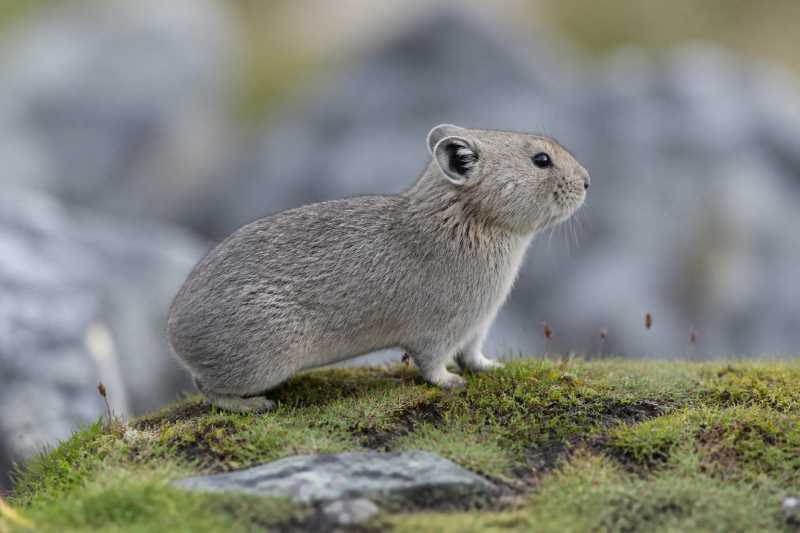
The Qionglai Pika is a small mammal, typically measuring between 15 to 20 centimeters in length and weighing approximately 150 to 200 grams. Like other pikas, it has a round body, short limbs, and a lack of a visible tail. Its ears are relatively short and rounded, helping to minimize heat loss in its cold, mountainous habitat.
The fur of the Qionglai Pika is dense and soft, providing essential insulation against the harsh climate of its alpine environment. The coloration of its fur varies seasonally, offering a degree of camouflage against predators. During the summer months, the fur is generally a brownish-gray, which transitions to a lighter gray or white in winter, blending in with the snow-covered landscape.
Range and Habitat
The Qionglai Pika is endemic to the Qionglai Mountains, a mountain range located in central Sichuan Province, China. This region is part of the easternmost extension of the Tibetan Plateau, characterized by rugged terrain and a high-altitude climate.
These pikas are typically found at elevations ranging from 2,500 to 4,500 meters above sea level. Their preferred habitat includes alpine meadows, rocky slopes, and subalpine shrublands. The Qionglai Pika relies on the dense vegetation and rocky crevices found in these environments for food and shelter.
The Qionglai Mountains offer a diverse ecosystem, home to a variety of flora and fauna. This biodiversity provides the Qionglai Pika with a range of dietary options and natural hiding spots from predators.
Behavior and Diet
The Qionglai Pika is a diurnal and herbivorous creature, primarily active during the morning and late afternoon when temperatures are more moderate. Unlike some pika species, the Qionglai Pika does not hibernate during the winter. Instead, it relies on food caches collected during the warmer months to survive the harsh winters.
Their diet mainly consists of grasses, herbs, and other alpine vegetation. The Qionglai Pika is known for its behavior of collecting and storing plant material in "haypiles" during the summer. These haypiles are essential for their winter survival, providing a crucial food source when fresh vegetation is scarce.
Pikas are known for their vocalizations, which serve as communication among individuals and as a warning system against predators. The Qionglai Pika uses a series of high-pitched calls to alert others of nearby threats and to establish territorial boundaries.
Identification Tips
Identifying the Qionglai Pika in the field can be challenging due to its small size and elusive nature. However, there are several key characteristics to look for:
- Size and Shape: Look for a small, round-bodied mammal with no visible tail. Its ears are short and rounded.
- Coloration: Observe the fur color, which varies seasonally from brownish-gray in summer to lighter gray or white in winter.
- Habitat: Focus on high-altitude regions within the Qionglai Mountains, particularly rocky slopes and alpine meadows.
- Vocalizations: Listen for their distinctive high-pitched calls, which are often used to signal alarm or establish territory.
Conservation Status
The Qionglai Pika is currently classified as "Data Deficient" by the International Union for Conservation of Nature (IUCN). This classification highlights the need for more research to determine its population trends and potential threats.
The primary threats to the Qionglai Pika include habitat loss due to agricultural expansion, climate change, and human encroachment. As an alpine specialist, the Qionglai Pika is particularly vulnerable to rising temperatures, which can alter its habitat and food availability.
Conservation efforts for the Qionglai Pika focus on habitat preservation and research to better understand its ecological role and population dynamics. Protecting the Qionglai Mountains’ unique ecosystem is crucial for the survival of this species and many others that share its habitat.
Frequently Asked Questions
What is the Qionglai Pika’s primary diet?
The Qionglai Pika is an herbivore, feeding primarily on grasses, herbs, and alpine vegetation. It collects and stores plant material in haypiles for winter consumption.
How does climate change affect the Qionglai Pika?
Climate change poses a significant threat to the Qionglai Pika by altering its high-altitude habitat. Rising temperatures can affect food availability and increase competition and predation.
Where can I observe the Qionglai Pika in the wild?
The Qionglai Pika can be observed in the Qionglai Mountains of central Sichuan Province, China. Look for them in alpine meadows and rocky slopes at elevations between 2,500 and 4,500 meters.
Are Qionglai Pikas social animals?
Qionglai Pikas are relatively solitary but maintain loose social structures. They communicate with each other through vocalizations to warn of predators and establish territories.
What conservation efforts are in place for the Qionglai Pika?
Conservation efforts focus on habitat preservation and research. Protecting the Qionglai Mountains’ ecosystem is essential for the survival of the Qionglai Pika and associated species.
Understanding the Qionglai Pika is crucial for both scientific research and conservation efforts. As we continue to learn more about this fascinating species, we can work towards ensuring its survival in the face of modern ecological challenges.
Related posts