The Common Yellowthroat: A Vibrant Jewel of North American Wetlands
Introduction
The Common Yellowthroat (Geothlypis trichas) is a small, vibrant warbler that graces the wetlands and marshes of North America with its distinctive presence. Known for its striking plumage and rich, melodic song, this avian species is a fascinating subject for ornithologists and bird enthusiasts alike. This article delves into the ecology, behavior, and conservation status of the Common Yellowthroat, offering a comprehensive overview of its significance in the avian world.
Description and Identification
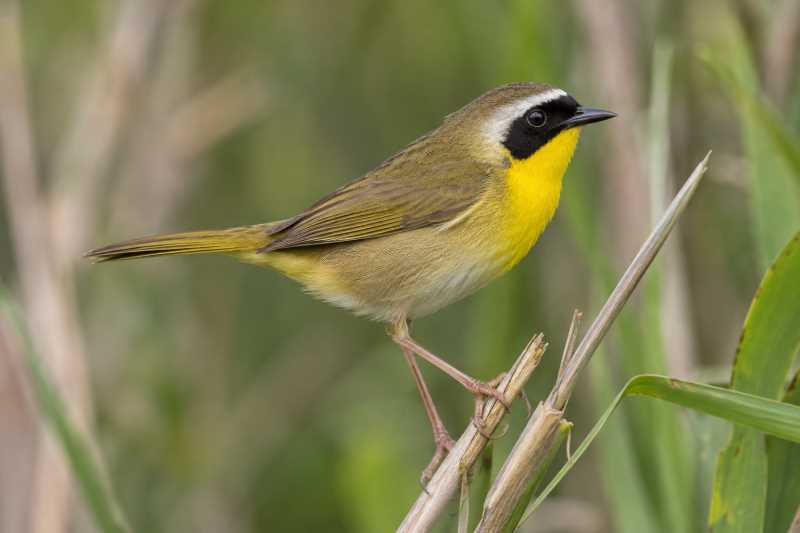
The Common Yellowthroat is notable for its vivid yellow throat and breast, features that stand out against its olive back and wings. Adult males are easily identified by their black facial mask, which is bordered by a white or gray line, adding to their striking appearance. Females, while lacking the mask, share the same bright yellow throat, though their overall plumage tends to be a bit more subdued.
Measuring approximately 4.3 to 5.1 inches (11-13 cm) in length with a wingspan of about 5.9 to 7.5 inches (15-19 cm), the Common Yellowthroat is a small bird. It weighs between 0.3 to 0.4 ounces (9-11 grams), making it a nimble and agile flyer, well-suited to its habitat in dense vegetation.
Habitat and Distribution
This species is widely distributed across North America, from southern Canada to Central America. The Common Yellowthroat prefers marshes, wetlands, and other areas with dense shrubs and reeds, environments that provide ample cover and nesting opportunities. During the breeding season, they are frequently found in cattail marshes, wet meadows, and shrubby fields.
In the winter, northern populations migrate to the southern United States, Mexico, and Central America. Some populations in the southern U.S. and Mexico are resident and do not migrate. Their adaptability to a variety of wetland habitats is a testament to their ecological versatility.
Behavior and Diet
Common Yellowthroats are primarily insectivorous, feeding on a wide range of insects including caterpillars, beetles, and spiders. They forage by gleaning insects from foliage or capturing them in mid-air. During migration and in winter, their diet may include seeds and small fruits.
These birds are known for their energetic and active behavior, often seen flitting through dense vegetation in search of food. Their song, a distinctive "wichity wichity wichity," is a common sound in their habitats, serving as a means of communication between males and a declaration of territory.
Breeding and Reproduction
The breeding season for the Common Yellowthroat typically begins in late spring. Males arrive first to establish territories, using their song to attract females and deter rivals. Once a pair bond is formed, the female selects a nest site, usually low to the ground in dense vegetation.
Nests are cup-shaped and constructed from grasses, leaves, and other plant materials. The female lays a clutch of 3 to 5 eggs, which she incubates for about 12 days. Once hatched, both parents participate in feeding the young, which fledge approximately 8-10 days after hatching.
Conservation Status
The Common Yellowthroat is currently listed as a species of "Least Concern" by the International Union for Conservation of Nature (IUCN), owing to its large and stable population. However, habitat loss due to wetland drainage and development poses a potential threat. Conservation efforts aimed at preserving wetland habitats are crucial for maintaining healthy populations of this and other wetland species.
Conclusion
The Common Yellowthroat, with its vibrant appearance and distinctive song, plays an integral role in the ecosystems it inhabits. As a species that thrives in diverse wetland environments, it serves as an indicator of ecological health. Protecting its habitats ensures not only the survival of this charming bird but also the preservation of the rich biodiversity that wetlands support. Through continued conservation efforts, we can ensure that the Common Yellowthroat continues to grace the marshes and meadows of North America for generations to come.
Related posts