Montane Guinea Pig (Cavia tschudii): A Comprehensive Guide
Introduction
The Montane Guinea Pig, scientifically known as Cavia tschudii, is a fascinating rodent species native to South America. This small, herbivorous mammal is a member of the family Caviidae, renowned for its role as an ancestor to the domesticated guinea pig. Found predominantly in the Andean regions, the Montane Guinea Pig thrives in high-altitude environments, exhibiting unique adaptations that make it a subject of interest for researchers and wildlife enthusiasts alike.
In this article, we delve into the intricate world of the Montane Guinea Pig, covering aspects such as its physical characteristics, habitat preferences, behaviors, diet, and conservation status. Additionally, we provide practical tips for identifying this species in the wild and answer some frequently asked questions about this intriguing mammal.
Physical Description
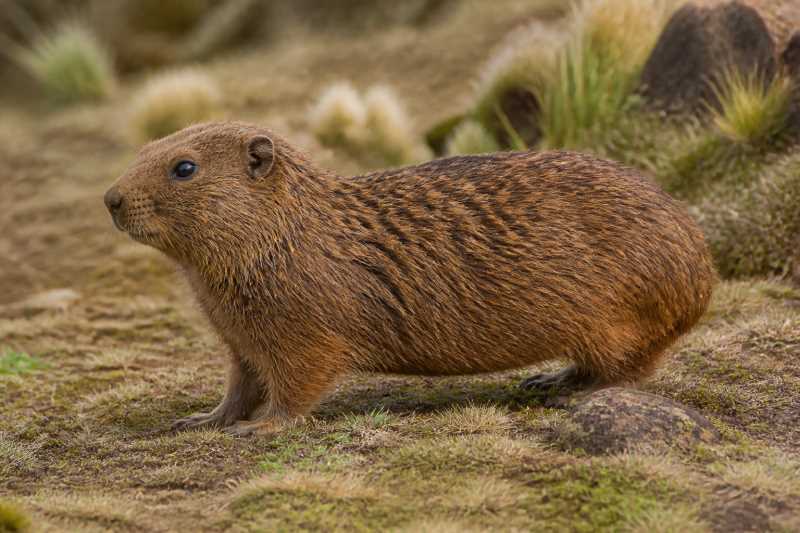
The Montane Guinea Pig is a small rodent, with adults typically weighing between 600 to 900 grams and measuring approximately 20 to 30 centimeters in length. Their robust bodies are covered in dense, coarse fur that provides insulation against the cold temperatures of their mountainous habitats. The fur color ranges from a mottled brown to grayish hue, often with a lighter underbelly, allowing them to blend seamlessly with their natural surroundings.
Their heads are broad with large, expressive eyes and short, rounded ears. They possess a distinctive blunt snout and a set of continuously growing incisors adapted for gnawing on tough vegetation. Unlike some other rodent species, Montane Guinea Pigs do not have visible tails.
Range and Habitat
The Montane Guinea Pig is primarily found in the high-altitude regions of the Andes Mountains, spanning countries such as Peru, Bolivia, Chile, and Argentina. These regions are characterized by rugged terrain, limited vegetation, and extreme weather conditions, which have shaped the Montane Guinea Pig’s adaptations and behavior.
Their preferred habitats include grasslands, rocky outcrops, and areas with dense shrubbery where they can find both food and shelter. They are adept at navigating steep slopes and are often found at elevations ranging from 2,500 to 4,500 meters above sea level. The availability of grasses, herbs, and other vegetation is crucial for their survival, as these form the bulk of their diet.
Behavior and Diet
Montane Guinea Pigs are social animals, often seen in small groups or family units. They exhibit crepuscular activity patterns, being most active during the early morning and late afternoon. This behavior helps them avoid the midday heat and potential predators.
Their diet primarily consists of grasses, herbs, and other ground-level vegetation. They are known to forage extensively, using their sensitive noses to locate food. The Montane Guinea Pig’s digestive system is highly efficient at extracting nutrients from fibrous plant material, a necessary adaptation for survival in nutrient-poor environments.
These rodents communicate through a series of vocalizations, including squeaks, purrs, and whistles, which serve various social functions such as maintaining group cohesion and alerting others to danger.
Identification Tips (Field Recognition Cues)
Identifying a Montane Guinea Pig in the wild requires keen observation and an understanding of their physical and behavioral traits:
- Physical Characteristics: Look for a small, robust rodent with a mottled brown or grayish coat, large eyes, and a blunt snout.
- Habitat Preference: They are typically found in high-altitude grasslands and rocky areas within the Andes.
- Activity Patterns: Observe early morning or late afternoon activity, as this is when they are most likely to forage.
- Social Behavior: Spotting groups or family units is common, as they are social creatures.
- Vocalizations: Listen for distinct squeaks and whistles, particularly in areas where they are known to inhabit.
Conservation Status (with Threats and Protections)
The Montane Guinea Pig is currently classified as a species of Least Concern on the IUCN Red List. However, their populations face several threats that could impact their future stability. Habitat destruction due to agriculture expansion, mining activities, and urban development poses significant risks to their natural environments.
Climate change also presents a threat, as it can alter the delicate balance of their high-altitude habitats, affecting food availability and shelter. While there are no specific conservation programs dedicated solely to the Montane Guinea Pig, protecting their habitats through sustainable land-use practices and conservation efforts targeting the Andean ecosystem can indirectly benefit their populations.
Frequently Asked Questions
1. What is the natural habitat of the Montane Guinea Pig?
The Montane Guinea Pig inhabits the high-altitude regions of the Andes Mountains, preferring grasslands, rocky outcrops, and areas with dense shrubbery.
2. How does the Montane Guinea Pig adapt to cold environments?
Their dense, coarse fur provides insulation against cold temperatures, and their efficient digestive system allows them to thrive on nutrient-poor vegetation.
3. Are Montane Guinea Pigs endangered?
Currently, the Montane Guinea Pig is not considered endangered and is classified as Least Concern, although habitat destruction poses potential threats.
4. How can you differentiate a Montane Guinea Pig from a domesticated guinea pig?
Montane Guinea Pigs have a more robust build, mottled brown or grayish fur, and are typically found in high-altitude habitats, unlike domesticated guinea pigs.
5. What do Montane Guinea Pigs eat?
Their diet mainly comprises grasses, herbs, and other ground-level vegetation which they forage for in their natural habitat.
Related posts