Montane Mouse Shrew (Myosorex blarina): A Comprehensive Overview
The Montane Mouse Shrew, scientifically known as Myosorex blarina, is a small mammalian species that inhabits the montane regions of Africa. Despite its inconspicuous size, this shrew plays a significant role in its ecosystem. This article delves into the various aspects of the Montane Mouse Shrew, from its physical characteristics to its behavioral patterns, habitat preferences, and conservation status. Understanding these elements is crucial for appreciating the ecological significance of this unique species.
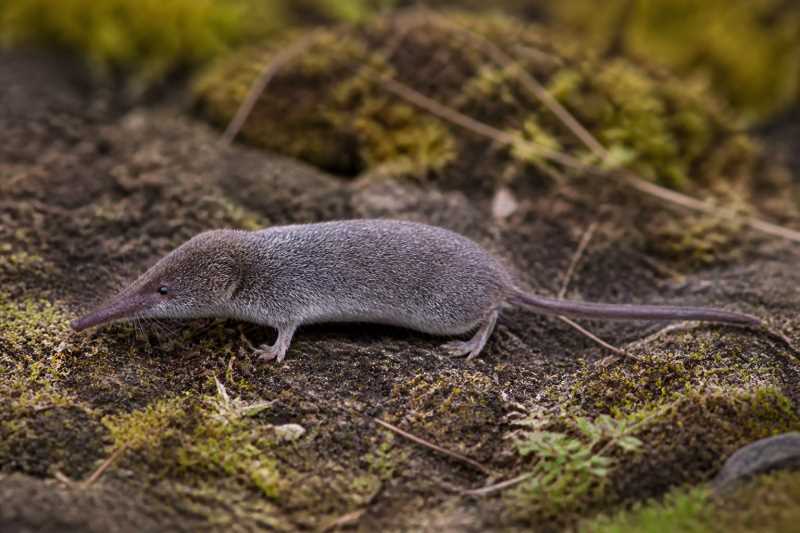
The Montane Mouse Shrew is a small, nimble creature, typically measuring between 70 to 100 millimeters in length, excluding the tail. The tail itself adds an additional 40 to 60 millimeters. Weighing between 10 to 20 grams, this shrew is characterized by its soft, dense fur, which ranges in color from dark gray to brown, providing excellent camouflage in its natural habitat. Its pointed snout, small eyes, and rounded ears are distinctive features that aid in its survival. The shrew’s limbs are comparatively short, but they are adept at navigating through its montane environment.
The Montane Mouse Shrew is predominantly found in the montane forests and grasslands of central and eastern Africa. Countries such as Kenya, Uganda, and Tanzania host significant populations. These shrews prefer habitats with abundant ground cover and leaf litter, which provide both protection from predators and a rich supply of insects for food. The montane regions are characterized by their cooler temperatures and higher humidity, conditions that the Montane Mouse Shrew is well adapted to.
Primarily nocturnal, the Montane Mouse Shrew spends its nights foraging for food and engaging in social activities. Its diet mainly consists of insects, spiders, and other small invertebrates, making it an important controller of insect populations. The shrew uses its keen sense of smell and hearing to locate prey, often rooting through the leaf litter with its snout. Socially, these shrews are solitary creatures, coming together only during the breeding season. They communicate through high-pitched squeaks and scent marking.
Identifying the Montane Mouse Shrew in the field requires careful observation. Key characteristics include its small size, dark fur, and distinctive snout. Observers should listen for the high-pitched squeaks that are typical of this species. Look for signs of burrowing in the leaf litter, which may indicate the presence of a shrew. The shrew’s quick, darting movements are also a useful identification cue.
Currently, the Montane Mouse Shrew is classified as Least Concern by the International Union for Conservation of Nature (IUCN). However, its population is threatened by habitat loss due to deforestation and agricultural expansion. Conservation efforts are focused on protecting montane forests and promoting sustainable land use practices. Protected areas and national parks in the region play a vital role in conserving this species by providing safe habitats.
Frequently Asked Questions
- What is the primary diet of the Montane Mouse Shrew?
The Montane Mouse Shrew primarily feeds on insects, spiders, and small invertebrates, playing a crucial role in controlling insect populations. - Where can the Montane Mouse Shrew be found?
This shrew is found in the montane regions of central and eastern Africa, particularly in countries like Kenya, Uganda, and Tanzania. - How can you identify a Montane Mouse Shrew in the wild?
The shrew can be identified by its small size, dark fur, pointed snout, and its distinctive high-pitched squeaks. - What threats does the Montane Mouse Shrew face?
The primary threat to the Montane Mouse Shrew is habitat loss due to deforestation and agricultural expansion.
Related posts