Introduction
The Manchurian Pika, scientifically known as Ochotona mantchurica, is a small mammal belonging to the pika family. These fascinating creatures are native to Asia, specifically found in regions of China and Russia. The Manchurian Pika is part of the order Lagomorpha, which also includes rabbits and hares. Known for their distinctive high-pitched calls and energetic behavior, pikas are intriguing subjects for scientific study and wildlife observation.
Physical Description
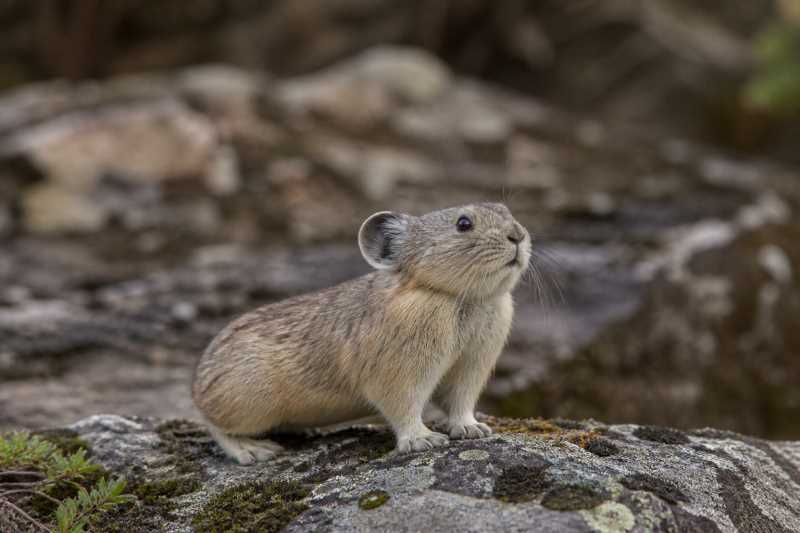
Manchurian Pikas are small, with a compact body and no external tail. They typically weigh between 140 to 250 grams and measure around 15 to 23 centimeters in length. Their dense fur is adapted to cold climates, with color variations that range from grayish-brown to reddish-brown, providing excellent camouflage against rocky terrains.
Their rounded ears, which are smaller than those of rabbits, help conserve heat, and their short legs are well-suited for hopping through their rugged, mountainous habitats. The Manchurian Pika’s incisors are continuously growing, a trait that requires them to gnaw constantly to maintain their teeth.
Range and Habitat
The Manchurian Pika is predominantly found in the mountainous regions of northeastern China and southern Siberia in Russia. Their habitat ranges from rocky mountain slopes to forest edges, primarily at elevations between 600 to 1,800 meters. These areas provide the necessary cover and resources that pikas need to thrive, including the availability of herbaceous plants and crevices for shelter.
Pikas are adapted to cold climates and are often found in areas with substantial snowfall, which provides insulation against extreme temperatures. Their habitat selection is closely tied to the availability of vegetation for food and the presence of rocky areas that offer protection from predators.
Behavior and Diet
Manchurian Pikas are diurnal creatures, most active during the morning and late afternoon. They are known for their social behavior, often living in colonies and communicating with each other through a series of vocalizations. These calls can serve as alarms to warn against predators or as a means of maintaining territory.
Their diet mainly consists of grasses, herbs, and other plant materials. Pikas are known for their practice of "haypiling," where they collect and store vegetation in caches to sustain themselves through the harsh winter months when food is scarce. This behavior highlights their remarkable adaptability and planning skills.
Identification Tips (Field Recognition Cues)
Identifying the Manchurian Pika in the wild involves observing several key characteristics:
- Size and Shape: Look for a small, rounded body with no visible tail.
- Fur Color: Note the grayish-brown to reddish-brown fur, which may vary slightly depending on the season and location.
- Ears: Observe the small, rounded ears that are less prominent than those of rabbits.
- Vocalizations: Listen for their distinctive, high-pitched calls, which can alert you to their presence even if they are not visible.
- Habitat: Focus on rocky areas and mountain slopes where they are most likely to be found.
Conservation Status (With Threats and Protections)
The Manchurian Pika is currently listed as "Least Concern" on the IUCN Red List, but this does not mean the species is free from threats. Habitat destruction, climate change, and human encroachment pose significant risks to their populations. The fragmentation of their habitat due to agricultural expansion and infrastructure development is a growing concern.
Conservation efforts for the Manchurian Pika include habitat protection and research into population dynamics. Protected areas and national parks within their range offer some level of security. However, continued monitoring and adaptive management strategies are crucial to ensure their long-term survival.
Frequently Asked Questions
Why is this species unique?
The Manchurian Pika is unique due to its adaptations to cold environments and its social behaviors. Unlike many other small mammals, pikas store food for winter, showcasing their remarkable ability to plan for future scarcity.
What role do pikas play in their ecosystem?
Pikas are important for their ecosystems as they contribute to the nutrient cycle by spreading plant seeds and serving as prey for various predators. Their haypiling behavior also aids in plant growth by aerating the soil and promoting seed dispersal.
How do Manchurian Pikas communicate?
Manchurian Pikas communicate through a series of vocalizations, including high-pitched calls and whistles. These sounds are used to warn of danger, establish territory, and maintain social bonds within colonies.
Are Manchurian Pikas affected by climate change?
Yes, climate change poses a significant threat to Manchurian Pikas. As temperatures rise, their cold mountain habitats may shrink, forcing them to move to higher elevations where suitable living conditions are limited.
What conservation measures are in place for this species?
Conservation measures for the Manchurian Pika include habitat protection through the establishment of protected areas and ongoing research to monitor population trends. International cooperation is also essential to address the broader environmental challenges they face.
Related posts