Philippine Tree Squirrel (Sundasciurus philippinensis): A Comprehensive Guide
Introduction
The Philippine Tree Squirrel, scientifically known as Sundasciurus philippinensis, is an intriguing mammal species indigenous to the Philippines. This small yet agile creature plays a vital role in the ecosystems of the forests it inhabits. With its vibrant presence and significant ecological contribution, the Philippine Tree Squirrel has garnered attention from wildlife enthusiasts and researchers alike.
As deforestation and habitat loss continue to pose threats to many species worldwide, understanding the habitat, behavior, and conservation needs of the Philippine Tree Squirrel becomes increasingly crucial. This article delves into various aspects of this unique species, from its physical characteristics to its role in the environment, offering a comprehensive overview that aims to foster appreciation and awareness.
Physical Description
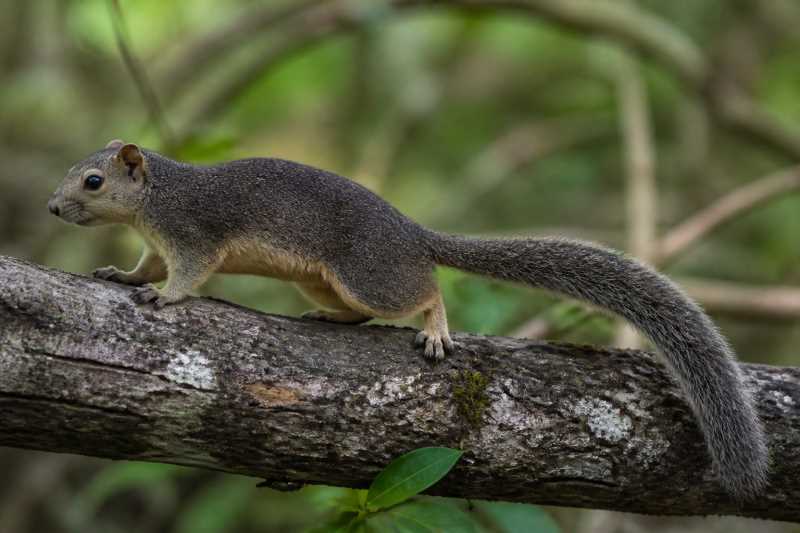
The Philippine Tree Squirrel is characterized by its small to medium size, with adults typically measuring between 18 to 23 centimeters in body length, excluding the tail, which can add an additional 15 to 20 centimeters. The squirrel’s fur is predominantly grayish-brown, providing effective camouflage against the bark of trees.
Its fur tends to be softer and denser on the back, with the belly displaying a paler hue. The bushy tail, a signature feature of tree squirrels, serves multiple purposes, including balance and communication. The Philippine Tree Squirrel has sharp claws and well-developed limb muscles, which aid in climbing and agile movement through the forest canopy.
The facial features of the Philippine Tree Squirrel are defined by its large, expressive eyes, which facilitate excellent vision, especially in low-light conditions. Its ears are small and rounded, equipped with acute hearing capabilities, essential for detecting predators and communicating with other squirrels.
Range and Habitat
The Philippine Tree Squirrel is endemic to the Philippines, primarily found in the country’s numerous islands. These squirrels thrive in both primary and secondary forests, demonstrating adaptability to varying degrees of forest density. They are known to inhabit lowland and montane forests, usually at elevations of up to 2,000 meters.
Preferring the arboreal lifestyle, the Philippine Tree Squirrel is most commonly associated with densely wooded areas that provide ample cover and food resources. They are adept at navigating the forest canopy, which offers protection from ground predators and access to their primary food sources.
Behavior and Diet
The Philippine Tree Squirrel is diurnal, becoming most active during the early morning and late afternoon. This activity pattern helps them avoid the midday heat while maximizing feeding opportunities. They are solitary creatures but can occasionally be observed foraging in small groups.
Their diet is predominantly herbivorous, consisting of fruits, nuts, seeds, and occasionally small insects. The Philippine Tree Squirrel plays a crucial role in seed dispersal, contributing to forest regeneration and plant diversity. Their feeding habits help maintain the ecological balance within their habitat.
Communication among these squirrels involves a variety of vocalizations, ranging from chirps and chatters to alarm calls. These sounds are essential for warning other squirrels of potential threats and establishing territory.
Identification Tips
Recognizing the Philippine Tree Squirrel in the wild involves paying attention to specific field cues:
- Size and Coloration: Look for a small to medium-sized squirrel with a grayish-brown body and a paler belly.
- Tail Characteristics: Observe the bushy tail, which is often carried arched over the back when moving.
- Vocalizations: Listen for their distinctive chirping and chattering sounds.
- Behavior: Note their agile movements and preference for staying high in the trees.
- Habitat: They are most commonly found in forested areas, often in higher elevations.
Conservation Status
The Philippine Tree Squirrel is currently not listed as endangered, but it faces several threats that could impact its population in the future. Deforestation and habitat fragmentation are primary concerns, as these activities reduce the availability of suitable living spaces and food sources.
Illegal logging, agricultural expansion, and urban development are significant drivers of habitat loss in the Philippines. Additionally, the pet trade poses a threat, with squirrels sometimes captured for sale as exotic pets.
Conservation efforts are underway to protect the natural habitats of the Philippine Tree Squirrel. These include reforestation projects, legal protection of forest areas, and initiatives to raise awareness about the importance of biodiversity.
Frequently Asked Questions
What do Philippine Tree Squirrels eat?
Philippine Tree Squirrels primarily eat fruits, nuts, seeds, and occasionally small insects. Their diet is crucial for seed dispersal and forest regeneration.
Where can you find Philippine Tree Squirrels?
These squirrels are found in the forests of the Philippines, often inhabiting lowland and montane areas at elevations up to 2,000 meters.
Are Philippine Tree Squirrels endangered?
While not currently endangered, Philippine Tree Squirrels face threats from habitat loss and deforestation, emphasizing the need for continued conservation efforts.
How do Philippine Tree Squirrels communicate?
They communicate through various vocalizations, such as chirps and chatters, which help in warning others of threats and establishing territory.
What role do Philippine Tree Squirrels play in the ecosystem?
They play a vital role in seed dispersal, contributing to forest regeneration and maintaining ecological balance.
Related posts