The Yellow-winged Flatbill: An In-depth Exploration of Tolmomyias flavotectus
Introduction
The Yellow-winged Flatbill, scientifically known as Tolmomyias flavotectus, is a captivating avian species within the Tyrannidae family, commonly referred to as tyrant flycatchers. This bird, with its distinctive plumage and unique behavioral characteristics, is an intriguing subject for ornithologists and bird enthusiasts alike. In this article, we will explore the various aspects of the Yellow-winged Flatbill, including its taxonomy, physical features, habitat, behavior, diet, reproductive habits, conservation status, and its role in the ecosystem.
Taxonomy and Classification
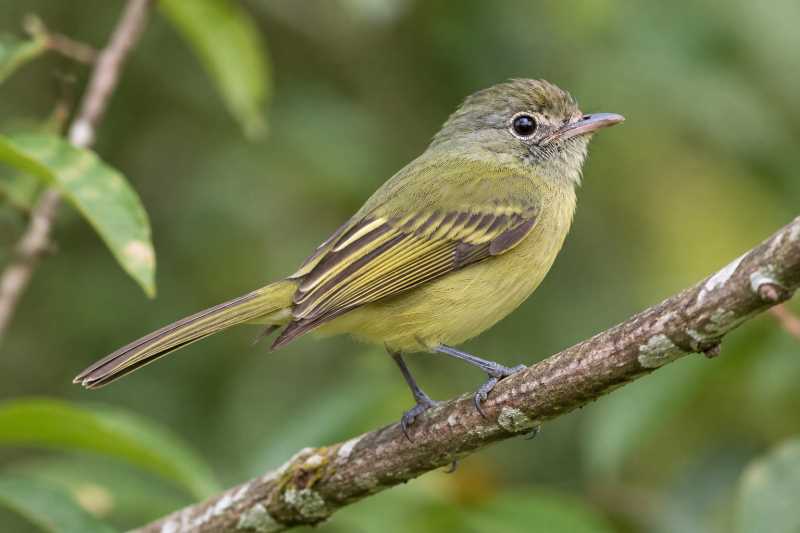
The Yellow-winged Flatbill belongs to the genus Tolmomyias, which comprises several species of flatbills that are primarily distributed across the Neotropical region. The species name, flavotectus, is derived from Latin, with ‘flavo’ meaning yellow and ‘tectus’ meaning covered, referencing the yellow-edged wings that are a defining characteristic of this bird. The family Tyrannidae is one of the largest bird families, and members are known for their diverse vocalizations and adaptable feeding strategies.
Physical Characteristics
The Yellow-winged Flatbill is a small bird, measuring approximately 12 to 14 centimeters in length and weighing around 10 to 15 grams. Its most striking feature is its yellow-edged wings, which contrast with its olive-green body. The bird’s head is adorned with a subtle, yet distinctive, pale eye-ring and a short, flat bill that is adapted for catching insects. Both males and females exhibit similar plumage, although juveniles may appear slightly duller in comparison to adults.
Habitat and Distribution
The Yellow-winged Flatbill inhabits the lowland and foothill forests of Central and South America, with its range extending from Panama to the northwestern regions of Colombia. These birds thrive in humid tropical forests, often favoring areas with dense understory vegetation. They are typically found at elevations ranging from sea level to approximately 1,000 meters, although their presence is more concentrated in lower altitudes where food resources are abundant.
Behavior and Ecology
Yellow-winged Flatbills are known for their elusive nature, often staying concealed within the dense foliage of their forest habitats. They are primarily insectivorous, employing a sit-and-wait strategy to ambush unwary insects. Their short, flat bills are perfectly adapted for snatching insects in mid-air or gleaning them from leaves and branches.
Despite their reclusive behavior, these birds are vocal and communicate frequently through a series of sharp whistles and trills. Their calls play an essential role in maintaining territory boundaries and attracting mates during the breeding season.
Diet and Foraging
The diet of the Yellow-winged Flatbill consists mainly of insects and other small arthropods. They are opportunistic feeders and have been observed foraging in mixed-species flocks, which provides them with increased protection from predators and access to a wider range of food resources. Their foraging behavior is characterized by short flights from perch to perch within the dense forest canopy, where they search for prey on leaves, twigs, and branches.
Reproduction and Life Cycle
The breeding season of the Yellow-winged Flatbill coincides with the onset of the rainy season, which ensures an abundance of food resources for the growing chicks. These birds are monogamous, and both parents participate in the care of the young. The female typically builds a small cup-shaped nest out of plant fibers, moss, and spider webs, strategically placed on a tree branch.
The clutch size generally consists of two to three eggs, which are incubated by the female for approximately 14 to 16 days. After hatching, the chicks are cared for by both parents and fledge the nest within two to three weeks. Juvenile flatbills remain with their parents for a few more weeks before becoming independent.
Conservation Status
Currently, the Yellow-winged Flatbill is classified as a species of Least Concern by the International Union for Conservation of Nature (IUCN). However, like many forest-dependent species, they face threats from habitat destruction and fragmentation due to logging, agriculture, and urban development. Conservation efforts aimed at protecting their natural habitats are crucial for ensuring the long-term survival of this species.
Role in the Ecosystem
As insectivores, Yellow-winged Flatbills play a vital role in controlling insect populations, contributing to the ecological balance of their forest environments. Their presence in mixed-species flocks also highlights their importance in maintaining the diversity and stability of tropical forest ecosystems.
Conclusion
The Yellow-winged Flatbill is a remarkable example of the rich biodiversity found in Neotropical forests. Its unique adaptations and behaviors offer valuable insights into the complex dynamics of these ecosystems. Continued research and conservation efforts are essential to preserve this species and the habitats they depend on.
References
- Schulenberg, T. S. (Ed.). (2020). Yellow-winged Flatbill (Tolmomyias flavotectus). Cornell Lab of Ornithology.
- BirdLife International. (2021). Species factsheet: Tolmomyias flavotectus. BirdLife International.
Acknowledgments
The author would like to thank the ornithological community for their contributions to the study of the Yellow-winged Flatbill and the ongoing efforts to conserve avian biodiversity worldwide.
Related posts