Introduction
The Umboi Tube-nosed Fruit Bat, scientifically known as Nyctimene vizcaccia, is a fascinating species that captures the interest of bat enthusiasts and researchers alike. These enigmatic mammals are part of the Pteropodidae family, which is known for its fruit-eating habits and important ecological roles in seed dispersal and pollination. Endemic to Papua New Guinea, the Umboi Tube-nosed Fruit Bat is named for its distinctive tube-shaped nostrils, an adaptation that plays a critical role in its ecological niche. Understanding the biology and ecology of this bat species is vital for its conservation and the protection of its unique habitat.
Physical Description
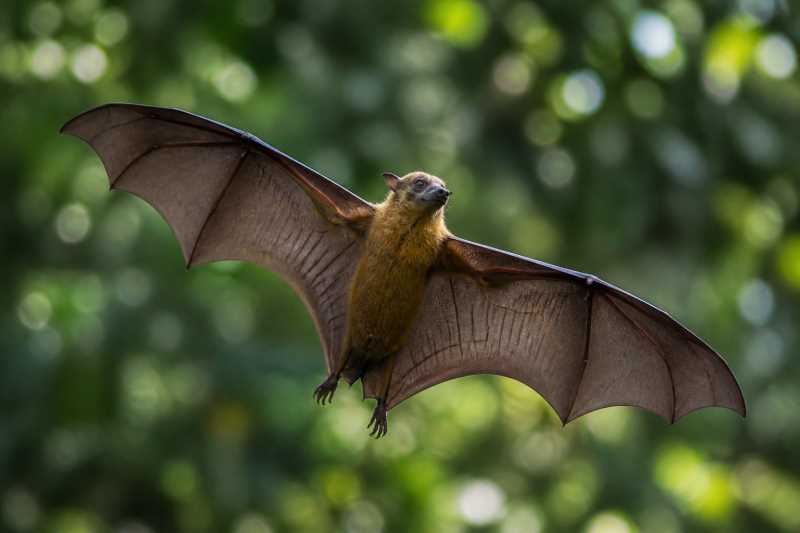
The Umboi Tube-nosed Fruit Bat is easily identified by its distinct facial features, particularly the tubular nostrils that protrude from its face. These nostrils are not just for show; they help in enhancing the bat’s olfactory senses, which are crucial for locating fruit, their primary food source. The bat’s body length ranges from 6 to 10 centimeters, and it has a wingspan of approximately 30 to 40 centimeters, which is typical for fruit bats of its size. The fur of Nyctimene vizcaccia is generally a mix of grey and brown hues, which provides excellent camouflage against the bark of trees. Its eyes are large and round, assisting in nocturnal navigation. The wings are broad and slightly translucent, allowing for agile flight through dense forest canopies.
Range and Habitat
Nyctimene vizcaccia is found predominantly on the island of Umboi, part of the Bismarck Archipelago in Papua New Guinea. This region is characterized by its tropical climate and dense rainforests, which offer an abundance of food resources and roosting sites. The bat inhabits lowland rainforests, where it can find a variety of fruits and flowers. These bats are also known to inhabit secondary forests and occasionally foray into agricultural areas, demonstrating some level of adaptability to human-altered landscapes. However, the primary habitat remains undisturbed forest areas, which provide the complex structure necessary for roosting and foraging.
Behavior and Diet
The Umboi Tube-nosed Fruit Bat is primarily nocturnal, engaging in most of its activities during the night. These bats are social creatures, often found in small groups. They communicate with a range of vocalizations that are essential for group cohesion and navigation. Their diet mainly consists of fruits, such as figs and bananas, but they also consume nectar, playing a significant role in the pollination of several plant species. The tube-nosed feature is believed to aid in the efficient consumption of nectar without damage to the plant. Foraging is typically done within a small home range, although they may travel several kilometers if food resources are sparse.
Identification Tips (field recognition cues)
When attempting to identify the Umboi Tube-nosed Fruit Bat in the field, there are several key characteristics to observe:
- Tube-shaped Nostrils: These are unique to this species and are distinctly visible on the face.
- Wing Structure: Look for broad, slightly translucent wings, which are adapted for agile flight in dense forests.
- Fur Coloration: A mix of grey and brown hues that blend well with tree bark, offering camouflage during roosting.
- Vocalizations: Listen for their distinct calls during the night, which are used for communication among group members.
- Behavior Patterns: Note their nocturnal habits and preference for foraging in fruit-rich areas.
Conservation Status (with threats and protections)
The conservation status of the Umboi Tube-nosed Fruit Bat is currently listed as "Data Deficient" by the International Union for Conservation of Nature (IUCN). This classification highlights the need for more research to determine population trends and threats accurately. Major threats to this species include habitat destruction due to logging and agricultural expansion, which leads to the loss of crucial roosting and feeding sites. Invasive species and hunting for local bushmeat are additional pressures that this bat faces.
Conservation efforts are necessary to ensure the survival of Nyctimene vizcaccia, which plays an integral role in forest ecosystems as a pollinator and seed disperser. Protected areas and community-based conservation initiatives could help mitigate human impacts. Furthermore, raising awareness of the bat’s ecological importance can foster local support for conservation actions.
Frequently Asked Questions
What is the primary diet of the Umboi Tube-nosed Fruit Bat?
The primary diet of the Umboi Tube-nosed Fruit Bat consists of various fruits, such as figs and bananas, and nectar from flowers. Their specialized nostrils help in efficiently consuming nectar and aid in the pollination of several plant species.
Where can the Umboi Tube-nosed Fruit Bat be found?
This species is endemic to the island of Umboi in Papua New Guinea. It inhabits lowland rainforests, secondary forests, and sometimes ventures into agricultural areas.
How does the Umboi Tube-nosed Fruit Bat contribute to its ecosystem?
Nyctimene vizcaccia plays a vital role in its ecosystem by acting as a pollinator and seed disperser. This helps maintain the health and diversity of tropical forest ecosystems.
What are the main threats to the Umboi Tube-nosed Fruit Bat?
The main threats include habitat destruction due to logging and agriculture, hunting for bushmeat, and competition with invasive species.
How can we help conserve the Umboi Tube-nosed Fruit Bat?
Conservation efforts such as establishing protected areas, supporting community-based initiatives, and raising awareness about the bat’s ecological roles can help in its preservation.
Related posts