Understanding the Tufted Tit-Tyrant: A Comprehensive Insight into Anairetes parulus
The Tufted Tit-Tyrant, scientifically known as Anairetes parulus, is a captivating avian species that belongs to the family Tyrannidae. Renowned for its distinct tufts and vibrant plumage, this small bird is a subject of interest among ornithologists and bird enthusiasts alike. This article delves into the various aspects of the Tufted Tit-Tyrant, exploring its taxonomy, habitat, behavior, diet, and conservation status, among other fascinating details.
Taxonomy and Classification
The Tufted Tit-Tyrant is a member of the Tyrannidae family, which is the largest family of birds in the world, comprising over 400 species. Within the genus Anairetes, there are several species, but Anairetes parulus is notably recognized for its unique appearance. This bird was first described by German ornithologist Johann Friedrich Gmelin in 1789, and its scientific classification has since undergone numerous revisions, as is common with many avian species.
Physical Description
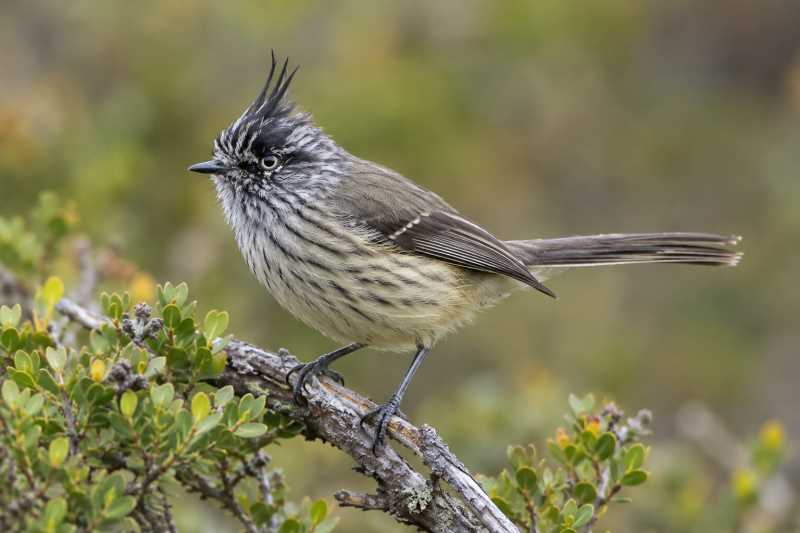
The Tufted Tit-Tyrant is a small bird, measuring approximately 10-11 centimeters in length and weighing around 6-8 grams. Its most distinguishing feature is the prominent tuft on its head, which gives the bird its name. The plumage is generally grayish-brown with subtle streaks, and the underparts are lighter, sometimes with a tinge of yellow. The wings and tail exhibit a pattern of white and black, enhancing the bird’s striking appearance when in flight.
Habitat and Distribution
The Tufted Tit-Tyrant is native to the Andean regions of South America, with its range extending from Venezuela to Chile and Argentina. It thrives in a variety of habitats, including montane forests, shrublands, and even urban areas. This adaptability allows it to inhabit elevations ranging from sea level to over 4,000 meters.
In its natural habitat, the Tufted Tit-Tyrant is often found flitting among trees and shrubs, where it forages for insects. Its preference for diverse environments underscores its resilience and ability to adapt to changing conditions, a characteristic that has aided its survival across a broad geographical range.
Behavior and Social Structure
The Tufted Tit-Tyrant is known for its lively and animated behavior. It is often observed in pairs or small family groups, engaging in acrobatic flights and agile maneuvers as it searches for food. The bird is vocal, with a repertoire of calls that include a series of high-pitched notes and chirps, used for communication among individuals and to establish territory.
Socially, Tufted Tit-Tyrants exhibit cooperative behavior, especially during breeding season. Both males and females participate in nest building, incubation, and feeding of the young. This cooperative breeding strategy is thought to enhance the survival rate of offspring, ensuring that the species continues to thrive in its natural habitats.
Diet and Foraging
The diet of the Tufted Tit-Tyrant primarily consists of insects and other small invertebrates. It is an opportunistic feeder, often seen gleaning insects from foliage or capturing them mid-flight. The bird’s agile flight and sharp eyesight enable it to detect and capture prey efficiently.
In addition to insects, the Tufted Tit-Tyrant occasionally supplements its diet with small seeds and fruits. This dietary flexibility allows it to adapt to seasonal variations in food availability, further demonstrating the bird’s adaptability.
Breeding and Reproduction
Breeding in the Tufted Tit-Tyrant typically occurs during the spring and summer months, corresponding to the availability of food resources. The species is monogamous, with pairs forming strong bonds that last throughout the breeding season.
Nests are built in dense vegetation, often in shrubs or small trees. The structure of the nest is a cup-shaped construction made from twigs, grass, and other plant materials, lined with softer substances such as feathers and fur. The female lays a clutch of two to three eggs, which are incubated by both parents for about 14-16 days.
After hatching, the chicks are altricial, meaning they are born relatively undeveloped and require significant parental care. The parents diligently feed and protect the young until they fledge, which occurs approximately two to three weeks post-hatching.
Conservation Status and Threats
As of the latest assessments, the Tufted Tit-Tyrant is classified as a species of Least Concern by the International Union for Conservation of Nature (IUCN). This classification reflects the bird’s wide distribution and stable population trends. However, like many avian species, it faces potential threats from habitat loss due to deforestation and urbanization.
Conservation efforts aimed at preserving its natural habitats are crucial for ensuring the continued survival of the Tufted Tit-Tyrant. Protected areas and ecological reserves in the Andes play a significant role in providing sanctuary for this species and countless others.
Significance in Ecosystems
The Tufted Tit-Tyrant plays an important role in its ecosystem as both a predator and prey. By controlling insect populations, it contributes to maintaining the ecological balance within its habitat. Additionally, as a prey species, it supports the diets of various predators, including larger birds of prey and small mammals.
Furthermore, the Tufted Tit-Tyrant serves as an indicator species, providing insight into the health of its environment. Changes in its population can signal shifts in ecological conditions, prompting further investigation and potential conservation actions.
Conclusion
The Tufted Tit-Tyrant is a remarkable bird that captivates with its unique appearance and lively behavior. Its adaptability and resilience in diverse environments make it a fascinating subject of study for ornithologists and bird enthusiasts. Understanding the intricate details of its life cycle, behavior, and ecological significance enhances our appreciation for this species and underscores the importance of conservation efforts to protect its natural habitats.
As we continue to learn more about the Tufted Tit-Tyrant, it is vital to support initiatives that safeguard its future, ensuring that this charming bird remains a vibrant part of the Andean ecosystems for generations to come.
Related posts