Robinson’s Squirrel (Sundasciurus robinsoni): A Comprehensive Guide
Introduction
Robinson’s Squirrel, scientifically known as Sundasciurus robinsoni, is a fascinating member of the Sciuridae family. Found predominantly in Southeast Asia, this squirrel species captivates the interest of wildlife enthusiasts due to its unique adaptations and behaviors. As we delve deeper into the world of Robinson’s Squirrel, this article will explore its physical attributes, habitat preferences, behavioral patterns, and conservation status. This guide aims to provide a thorough understanding of this remarkable mammal species, aiding both researchers and nature lovers in identifying and appreciating its role in the ecosystem.
Physical Description
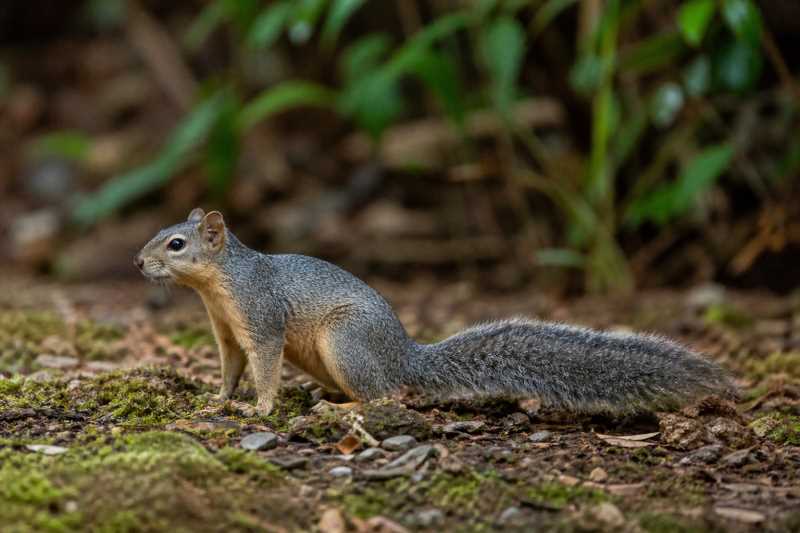
Robinson’s Squirrel is a medium-sized squirrel, typically measuring between 20 to 25 centimeters in length, excluding its bushy tail, which is often as long as its body. The species exhibits a robust and agile build, which is well-suited for its arboreal lifestyle. The fur of Robinson’s Squirrel is generally a mix of gray and brown hues, allowing it to blend seamlessly into the forest canopy. The underparts are usually lighter, ranging from pale gray to white, providing a stark contrast to its darker dorsal side.
One of the distinguishing features of Robinson’s Squirrel is its bushy tail, which is not only an aesthetic feature but also serves practical purposes such as balance and communication. The tail, covered in thick fur, is often banded with darker coloration towards the tip. The squirrel’s sharp claws and dexterous limbs are adapted for climbing and foraging, making it an adept navigator of its forested habitat.
Range and Habitat
Robinson’s Squirrel is predominantly found in the tropical and subtropical regions of Southeast Asia, with its range extending across the Malay Peninsula, Sumatra, and various smaller islands in the region. This species thrives in primary and secondary forests, where it occupies the mid to upper levels of the canopy. Its preference for dense forest environments is attributed to the abundance of food sources and natural cover, which provides protection from predators.
The habitat of Robinson’s Squirrel is characterized by high humidity and consistent temperatures, typical of the equatorial climate. The species is also known to adapt to disturbed habitats, such as plantations and gardens, although it is most frequently observed in undisturbed forested areas. This adaptability highlights the squirrel’s resilience, although habitat destruction remains a significant concern.
Behavior and Diet
Robinson’s Squirrel is primarily diurnal, exhibiting peak activity during the early morning and late afternoon. It is known for its solitary nature, although individuals may be observed foraging in proximity to one another when food is abundant. The species is arboreal, spending the majority of its life in trees, where it skillfully navigates the canopy in search of sustenance.
The diet of Robinson’s Squirrel is omnivorous, comprising a variety of fruits, seeds, nuts, and insects. The squirrel’s strong incisors are well-adapted for cracking open hard shells, allowing it to access the nutrient-rich contents within. Additionally, Robinson’s Squirrel plays a crucial role in seed dispersal, contributing to the propagation of numerous plant species within its habitat.
Identification Tips (Field Recognition Cues)
Identifying Robinson’s Squirrel in the field requires attention to several key characteristics:
- Size and Shape: Look for a medium-sized squirrel with a robust build and a proportionately long, bushy tail.
- Coloration: Note the gray-brown fur with lighter underparts. The tail often has bands of darker fur towards the tip.
- Habitat: Observe the squirrel’s location; it is typically found in dense forest canopies or occasionally in garden areas.
- Behavior: Spot the squirrel during daylight hours, particularly in the early morning or late afternoon.
- Vocalizations: Listen for its distinctive calls, which are often used to communicate with other squirrels or signal alarm.
Conservation Status (With Threats and Protections)
The conservation status of Robinson’s Squirrel is currently listed as "Least Concern" by the International Union for Conservation of Nature (IUCN). However, ongoing threats such as deforestation, habitat fragmentation, and human encroachment pose significant risks to its populations. The loss of primary forest habitat is a critical concern, as it directly impacts the availability of resources and shelter for this species.
Conservation efforts aimed at preserving Southeast Asian forests are vital for maintaining healthy populations of Robinson’s Squirrel. Protected areas and national parks play a crucial role in safeguarding the habitats of this and many other species. Raising awareness about the importance of biodiversity and sustainable land management practices is essential to ensure the long-term survival of Robinson’s Squirrel.
Frequently Asked Questions
What do Robinson’s Squirrels eat?
Robinson’s Squirrels have an omnivorous diet, primarily consisting of fruits, seeds, nuts, and insects. Their sharp incisors allow them to crack open hard shells to access nutritious seeds and nuts.
Where can Robinson’s Squirrels be found?
These squirrels are native to Southeast Asia, with a range extending across the Malay Peninsula, Sumatra, and several smaller islands. They are commonly found in tropical and subtropical forests.
How do Robinson’s Squirrels communicate?
Robinson’s Squirrels communicate through a series of vocalizations, which can include alarm calls, and through body language. Their bushy tails are often used for signaling other squirrels.
Are Robinson’s Squirrels endangered?
Currently, Robinson’s Squirrel is categorized as "Least Concern" by the IUCN. However, habitat destruction and fragmentation pose ongoing threats to its populations.
How can I help conserve Robinson’s Squirrel?
Supporting conservation initiatives that focus on preserving Southeast Asian forests is crucial. Additionally, promoting sustainable land-use practices and raising awareness about the importance of biodiversity can contribute to the conservation of Robinson’s Squirrel and its habitat.
Related posts