Introduction
Ruschi’s Spiny Mouse, scientifically known as Abrawayaomys ruschii, is a fascinating yet lesser-known rodent species native to South America. This elusive mammal is part of the family Cricetidae and is notable for its unique adaptations that have allowed it to thrive in its specific habitats. Despite its intriguing characteristics, Ruschi’s Spiny Mouse remains understudied, presenting a compelling subject for researchers and wildlife enthusiasts alike.
Physical Description
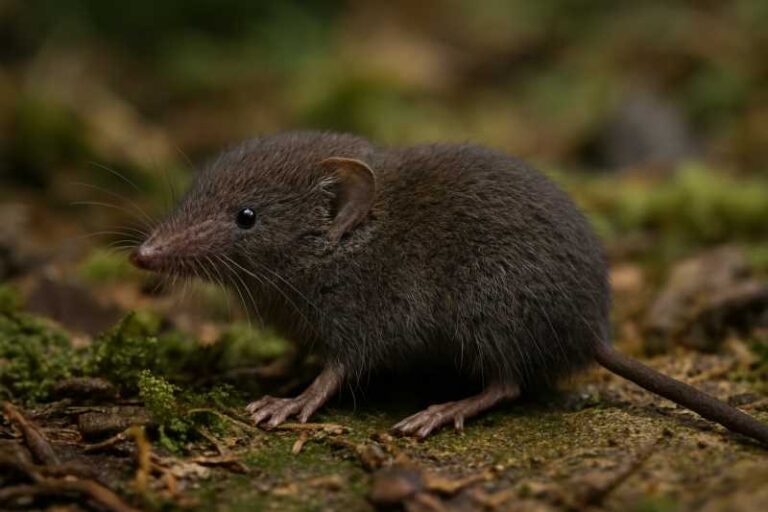
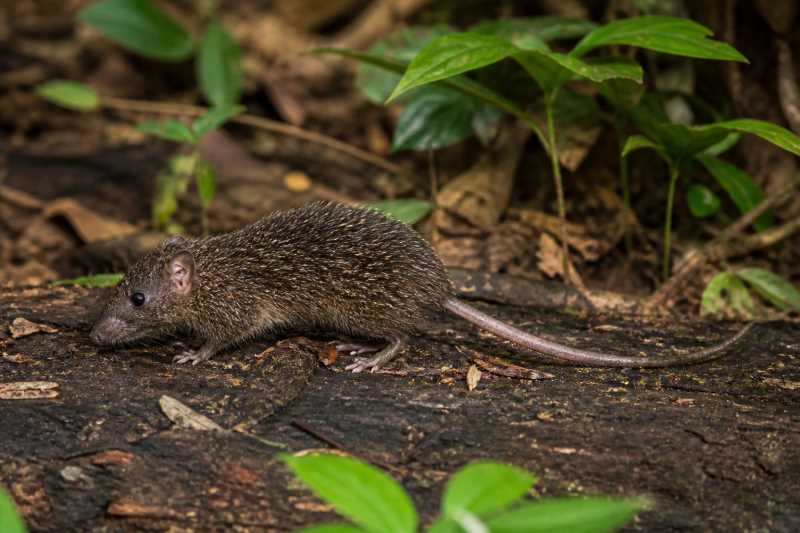
Ruschi’s Spiny Mouse is a small rodent characterized by its distinctive spiny fur, which is a defining feature of its genus. These spines are modified hairs that provide protection against predators and environmental hazards. Typically, the fur is a mix of brown and gray, offering excellent camouflage among the forest floor and leaf litter. Adults usually measure about 10 to 15 centimeters in body length, with an additional tail length of approximately 8 to 12 centimeters. The tail is prehensile, aiding in balance and mobility through their arboreal habitats.
The mouse has a pointed snout and large, prominent eyes that suggest a nocturnal lifestyle, with keen senses of hearing and smell that compensate for its relatively poor eyesight. Its ears are moderately sized, and the feet are adapted for climbing, featuring sharp claws and pads that provide grip on various surfaces.
Range and Habitat
Ruschi’s Spiny Mouse is primarily found in the Atlantic Forests of Brazil, a region known for its rich biodiversity and endemism. This area stretches along the Atlantic coast and provides a range of microhabitats from coastal forests to montane regions. The mouse prefers dense, humid forests where it can take advantage of the thick underbrush and canopy cover.
These mice are arboreal, spending a considerable amount of time in the trees. They are also known to inhabit areas with a dense understory, which provides ample cover from predators and a rich variety of food sources. The elevation range for Ruschi’s Spiny Mouse is typically from sea level to about 1,500 meters, depending on the specific microhabitat conditions.
Behavior and Diet
Ruschi’s Spiny Mouse exhibits a nocturnal lifestyle, being most active during the night when it forages for food. Its diet is omnivorous, consisting of a variety of seeds, fruits, insects, and other small invertebrates. This diverse diet allows the mouse to exploit different food sources throughout the year, depending on availability.
Behaviorally, Ruschi’s Spiny Mouse is solitary, with individuals maintaining distinct territories. Communication is likely through a combination of vocalizations, scent markings, and possibly visual signals, though detailed studies are limited.
During the day, these mice seek refuge in nests made from leaves and twigs, either in tree hollows or dense vegetation on the forest floor. This nesting behavior provides protection from predators and harsh weather conditions.
Identification Tips
Identifying Ruschi’s Spiny Mouse in the field requires attention to several key characteristics:
- Fur and Spines: Look for the distinctive spiny fur, which sets it apart from other small rodents in its range.
- Size and Shape: Note the small size, with a body length of 10-15 cm and a long, prehensile tail.
- Coloration: The fur is usually a mix of brown and gray, aiding in camouflage.
- Behavior: Observations during nighttime activity can confirm nocturnal habits.
- Habitat: Presence in dense, humid forests, often in trees or thick underbrush.
Conservation Status
As of the latest assessments, Ruschi’s Spiny Mouse is listed as "Data Deficient" by the IUCN Red List, primarily due to the lack of comprehensive population studies. However, the species faces threats common to many forest-dwelling animals in the region, including habitat loss due to deforestation, agricultural expansion, and urban development.
Conservation efforts for Ruschi’s Spiny Mouse are currently minimal, but protecting the Atlantic Forests is crucial, as these habitats are under significant threat. Establishing protected areas and promoting sustainable land-use practices are essential steps in ensuring the survival of this species.
Frequently Asked Questions
1. What is the typical diet of Ruschi’s Spiny Mouse?
Ruschi’s Spiny Mouse has an omnivorous diet, mainly consisting of seeds, fruits, insects, and other small invertebrates. This dietary flexibility helps it adapt to various seasonal changes in food availability.
2. Where can Ruschi’s Spiny Mouse be found?
This species is endemic to the Atlantic Forests of Brazil, favoring dense, humid environments with abundant tree cover and underbrush.
3. How does Ruschi’s Spiny Mouse protect itself from predators?
The mouse uses its spiny fur for protection, which can deter some predators. Its nocturnal habits also help it avoid daytime predators, and its arboreal lifestyle provides additional escape routes.
4. Why is Ruschi’s Spiny Mouse considered "Data Deficient"?
The "Data Deficient" status reflects the lack of comprehensive studies on its population size, distribution, and ecological needs, which makes it challenging to assess its conservation status accurately.
5. How can I help in the conservation of Ruschi’s Spiny Mouse?
Supporting conservation initiatives that focus on protecting the Atlantic Forests and promoting sustainable land-use practices can indirectly help in the conservation of Ruschi’s Spiny Mouse.
Related posts