Introduction
Osgood’s Short-tailed Opossum, scientifically known as Monodelphis osgoodi, is a fascinating yet lesser-known mammal species belonging to the family Didelphidae. Native to South America, this unique marsupial has intrigued mammalogists and wildlife enthusiasts alike due to its limited distribution and distinctive characteristics. As part of the Monodelphis genus, Osgood’s Short-tailed Opossum shares its lineage with several other short-tailed opossums, all of which are known for their small size, nocturnal habits, and adaptability to diverse environments. This article delves into the various aspects of Osgood’s Short-tailed Opossum, providing insights into its physical traits, habitat preferences, behaviors, and conservation needs.
Physical Description
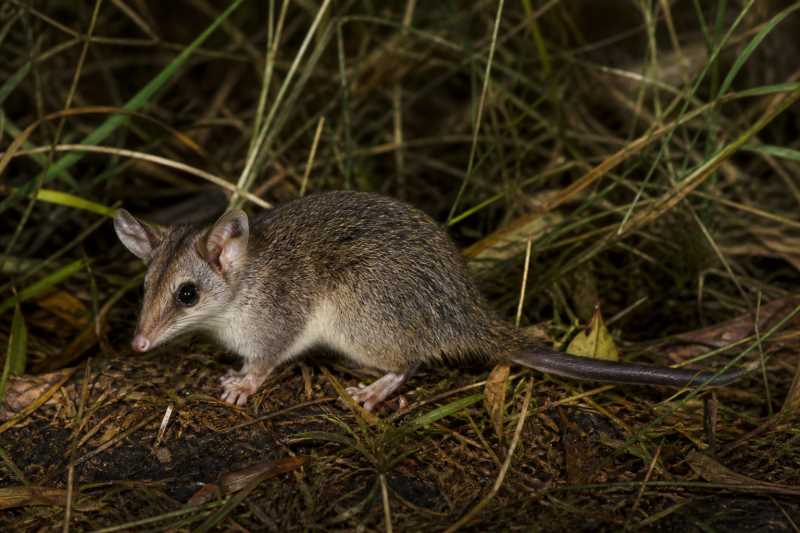
Osgood’s Short-tailed Opossum is a diminutive marsupial, measuring approximately 10 to 15 centimeters in body length, with a tail that is notably shorter, typically around 5 to 7 centimeters. This tail length is a distinguishing factor, as it is less than half the length of the body, unlike many other opossum species. The opossum’s fur is soft and dense, with a color palette that ranges from grayish-brown to reddish-brown on the dorsal side, while the ventral side is usually lighter, often displaying shades of cream or white.
The opossum’s head is characterized by a pointed snout, small rounded ears, and sharp, beady eyes that enhance its nocturnal vision. The limbs are relatively short but robust, equipped with dexterous digits that aid in climbing and foraging. Notably, Osgood’s Short-tailed Opossum lacks a marsupial pouch, a trait shared with other members of the Monodelphis genus.
Range and Habitat
Osgood’s Short-tailed Opossum is endemic to the Andean regions of South America, specifically within the territories of Peru and Bolivia. Its habitat is primarily restricted to montane forests and cloud forests, where it thrives at elevations ranging from 2,000 to 4,000 meters above sea level. These forests provide a rich tapestry of biodiversity and a complex structure that supports the opossum’s arboreal and terrestrial lifestyle.
The opossum prefers dense understory vegetation, where it can effectively camouflage and hunt for food. The availability of leaf litter and fallen logs is crucial for its survival, as they offer shelter and breeding grounds. Seasonal variations in these habitats, such as changes in humidity and temperature, influence the opossum’s activity patterns and reproductive cycles.
Behavior and Diet
Osgood’s Short-tailed Opossum is primarily nocturnal, emerging at dusk to forage and explore its environment. Its diet is omnivorous, consisting of a wide array of food sources. Insects, small invertebrates, fruits, and seeds make up the bulk of its diet, although it may occasionally consume small vertebrates or eggs.
This opossum is solitary by nature, with individuals maintaining distinct territories. During the breeding season, males may become more active in search of females, but outside of this period, interactions with conspecifics are limited. Nesting occurs in secure cavities or burrows, where the female raises her young, which are born altricial and develop rapidly.
Identification Tips
Recognizing Osgood’s Short-tailed Opossum in the field requires attention to several key features:
- Size and Shape: Look for a small opossum with a notably short tail relative to its body length.
- Coloration: Observe the grayish-brown to reddish-brown dorsal fur and lighter ventral fur.
- Tail: Note the short, hairless tail that is less than half the length of the body.
- Behavior: Spot the opossum during nighttime activities, as it is predominantly nocturnal.
- Habitat: Search in montane and cloud forests, especially in dense understory vegetation.
Conservation Status
The conservation status of Osgood’s Short-tailed Opossum is currently listed as Data Deficient by the International Union for Conservation of Nature (IUCN). This classification reflects the limited information available on its population size, trends, and broader ecological role. However, there are several potential threats that could impact its survival:
- Habitat Loss: Deforestation and land conversion for agriculture or development pose significant risks to its habitat.
- Climate Change: Alterations in climate patterns could affect the delicate montane ecosystems it inhabits.
- Predation and Competition: Increased predation from introduced species and competition with other small mammals could affect its population dynamics.
Efforts to protect Osgood’s Short-tailed Opossum should focus on habitat conservation and further research to better understand its ecological needs and population status.
Frequently Asked Questions
What does Osgood’s Short-tailed Opossum eat?
Osgood’s Short-tailed Opossum has an omnivorous diet that includes insects, small invertebrates, fruits, seeds, and occasionally small vertebrates or eggs.
Where can Osgood’s Short-tailed Opossum be found?
It is found in the montane and cloud forests of Peru and Bolivia, typically at elevations between 2,000 and 4,000 meters.
How can you identify Osgood’s Short-tailed Opossum?
Look for a small marsupial with a short tail, grayish-brown to reddish-brown fur, and nocturnal habits, typically found in dense forest understories.
Is Osgood’s Short-tailed Opossum endangered?
Its conservation status is listed as Data Deficient by the IUCN, indicating a need for more research to determine its population trends and threats.
What are the main threats to Osgood’s Short-tailed Opossum?
The main threats include habitat loss due to deforestation, climate change, and increased predation or competition from other species.
Related posts