Aceramarca Opossum: A Comprehensive Guide to Gracilinanus aceramarcae
Introduction
The Aceramarca opossum, scientifically known as Gracilinanus aceramarcae, is a fascinating yet elusive small marsupial native to South America. This diminutive creature belongs to the family Didelphidae, a diverse group of marsupials commonly referred to as opossums. Despite its relatively unknown status, the Aceramarca opossum plays a vital role in its ecosystem, contributing to seed dispersal and pest control. This article aims to shed light on this remarkable species by exploring its physical characteristics, habitat, behavior, and conservation status.
Physical Description
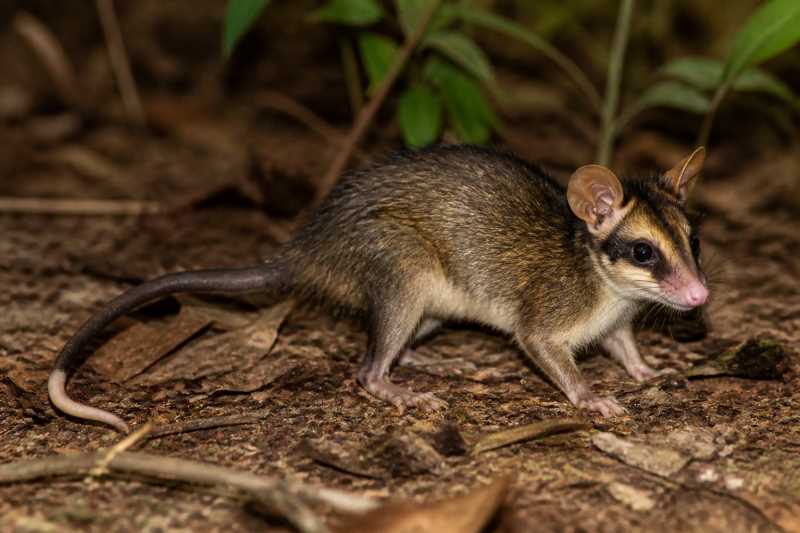
The Aceramarca opossum is a small, nocturnal marsupial, with an average body length of 10 to 14 centimeters and a tail length of approximately the same size, making it well-suited for its arboreal lifestyle. Weighing between 20 and 40 grams, it is characterized by its slender build and agile movements. The fur is typically a mix of gray and brown hues, providing excellent camouflage against the forest floor and understory foliage.
Notably, the Aceramarca opossum has large, round ears that are highly sensitive to sound, aiding in nocturnal foraging. Its eyes are also large and adapted for night vision, reflecting its nocturnal habits. The prehensile tail is an essential tool for balance and climbing, allowing the opossum to navigate through trees with ease.
Range and Habitat
The Aceramarca opossum is native to the Andean cloud forests of South America, predominantly found in Bolivia. Its range is relatively limited, as it inhabits high-altitude forests typically above 2,500 meters. These cloud forests are characterized by high humidity, frequent mist, and a diverse array of plant species, providing ample food and shelter for the Aceramarca opossum.
The opossum’s habitat is marked by a dense canopy and a rich understory, which offers protection from predators and harsh weather conditions. The forest floor is often covered in leaf litter and fallen logs, which the opossum uses for foraging and nesting.
Behavior and Diet
The Aceramarca opossum is a solitary and nocturnal creature, primarily active during the night when it forages for food. Its diet is omnivorous, consisting of a variety of insects, small vertebrates, fruits, and seeds. This varied diet not only sustains the opossum but also plays a critical role in ecosystem health by controlling insect populations and aiding in seed dispersal.
During the day, the opossum seeks refuge in tree hollows or nests made of leaves and twigs, where it rests until the night. Its nocturnal habits help it avoid many diurnal predators, such as birds of prey and larger mammals.
Identification Tips (Field Recognition Cues)
Identifying the Aceramarca opossum in the wild can be challenging due to its elusive nature and camouflage. However, there are several distinctive features to look for:
- Size and Shape: Look for a small, slender marsupial with a body length of 10-14 cm and a similar tail length.
- Fur Coloration: Observe the gray-brown fur, which blends into the forest environment.
- Ears and Eyes: Note the large, rounded ears and prominent eyes, adaptations for nocturnal activity.
- Behavior: Spotting one is more likely at night, as it is a nocturnal forager.
- Tail Usage: The prehensile tail is often used for balance and climbing through the trees.
Conservation Status (With Threats and Protections)
The conservation status of the Aceramarca opossum is of concern due to its restricted range and habitat. It is currently classified as "Data Deficient" on the IUCN Red List, mainly due to the lack of comprehensive studies on its population trends and threats.
Threats
- Habitat Loss: The primary threat to the Aceramarca opossum is habitat destruction, driven by deforestation for agriculture, logging, and human settlement expansion.
- Climate Change: Changes in climate patterns can alter the delicate balance of the cloud forest ecosystem, affecting the availability of food and shelter.
- Predation: Natural predators include birds of prey and larger mammals, but human activities have increased the risk from domestic animals.
Protections
Efforts to protect the Aceramarca opossum focus on preserving its natural habitat. This includes:
- Protected Areas: Establishing and maintaining protected areas within its range to safeguard critical habitats.
- Research and Monitoring: Encouraging scientific research to better understand the species’ ecology and population dynamics.
- Environmental Education: Raising awareness among local communities about the importance of conserving cloud forests and their inhabitants.
Frequently Asked Questions
1. What is the Aceramarca opossum’s primary diet?
The Aceramarca opossum is an omnivore, feeding on insects, small vertebrates, fruits, and seeds. This varied diet helps maintain ecological balance by controlling pest populations and aiding in seed dispersal.
2. Where can the Aceramarca opossum be found in the wild?
The Aceramarca opossum is primarily found in the Andean cloud forests of Bolivia, at altitudes above 2,500 meters.
3. How does the Aceramarca opossum adapt to its nocturnal lifestyle?
The Aceramarca opossum has large eyes for improved night vision and large ears for enhanced hearing, which aid in nocturnal foraging and avoiding predators.
4. What are the main threats to the Aceramarca opossum’s survival?
Habitat loss due to deforestation, climate change, and predation by natural and domestic animals are significant threats to the Aceramarca opossum.
5. Why is the Aceramarca opossum important to its ecosystem?
The Aceramarca opossum plays a crucial role in its ecosystem by controlling insect populations and dispersing seeds, contributing to forest health and regeneration.
Related posts