Introduction
Niethammer’s Forest Dormouse, scientifically known as Dryomys niethammeri, is a small, elusive rodent species that has intrigued biologists and nature enthusiasts alike. This species, named in honor of the notable German zoologist Günter Niethammer, is a fascinating example of the biodiversity found in specific forested areas around the world. As a member of the Gliridae family, Niethammer’s Forest Dormouse shares its lineage with other dormice, known for their arboreal habits and hibernation capabilities. This article delves into the distinct characteristics, habitat, behaviors, and conservation status of this unique mammal, offering insights for researchers and wildlife aficionados.
Physical Description
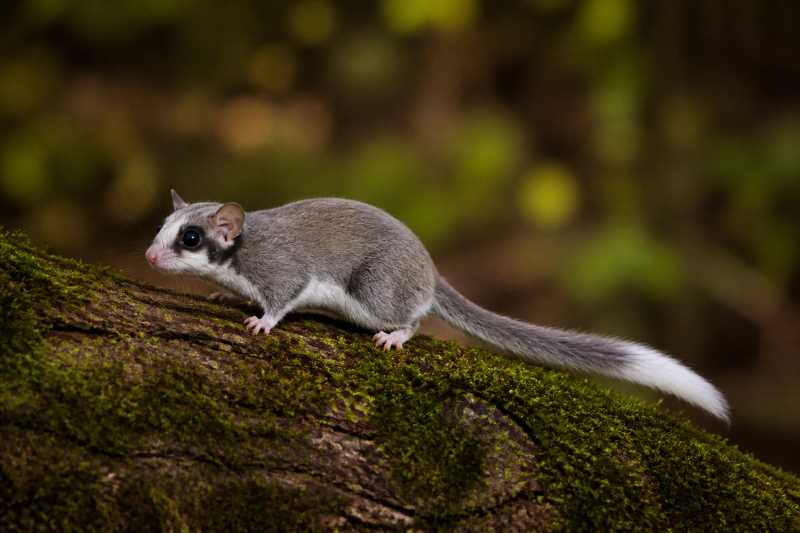
Niethammer’s Forest Dormouse is a small mammal characterized by its dense fur, which provides excellent insulation against the cold. Typically, its fur is a blend of gray and brown, with a lighter underbelly, allowing it to camouflage effectively within its forest habitat. Adults generally weigh between 15 to 30 grams and measure approximately 10 to 15 centimeters in body length, with an additional tail length of about 8 to 13 centimeters. The tail is bushy, a common feature among dormice, aiding in balance and mobility through the trees.
One of the most distinctive features of this species is its large, dark eyes, adapted for nocturnal activity. The ears are moderately sized and rounded, enhancing their acute sense of hearing. Their sharp claws and prehensile tail facilitate climbing, making them adept at navigating the arboreal environments they inhabit.
Range and Habitat
Niethammer’s Forest Dormouse is primarily found in deciduous and mixed forests, with a preference for dense, shrubby undergrowth. These areas provide ample food sources and nesting sites, essential for their survival and reproduction. The species is endemic to a limited range, predominantly within certain regions in Europe and parts of the Middle East, although precise distribution patterns are still being studied due to their elusive nature.
The habitat of Niethammer’s Forest Dormouse is characterized by high humidity and a rich diversity of flora, which supports a complex ecosystem. They are often found in habitats that are relatively undisturbed by human activities, as they are sensitive to changes in their environment.
Behavior and Diet
Niethammer’s Forest Dormouse is primarily nocturnal, engaging in most of its activities under the cover of darkness. This behavior helps reduce predation risks and allows them to exploit different food resources. They are solitary creatures, except during the breeding season or when mothers are caring for their young.
The diet of Niethammer’s Forest Dormouse is omnivorous, consisting mainly of fruits, nuts, seeds, and insects. This varied diet helps them survive in different seasons, especially during periods when certain food sources are scarce. During the colder months, they enter a state of hibernation, significantly reducing their metabolic rate to conserve energy.
Identification Tips (Field Recognition Cues)
Identifying Niethammer’s Forest Dormouse in the wild can be challenging due to their small size and nocturnal habits. However, certain cues can assist in recognizing this species:
- Tail Structure: Look for a long, bushy tail that is often used for balance when climbing.
- Fur Coloration: Note the gray-brown fur with a lighter underside, which helps in blending with the forest surroundings.
- Activity Patterns: Observing nighttime activity can be a key indicator, as they are primarily nocturnal.
- Habitat Preference: Focus on dense, shrubby areas within deciduous and mixed forests that offer ample food and nesting sites.
Conservation Status (With Threats and Protections)
The conservation status of Niethammer’s Forest Dormouse is currently a topic of concern among wildlife conservationists. Habitat loss due to deforestation and human encroachment poses significant threats to their populations. Additionally, climate change impacts, such as altered precipitation patterns and temperature fluctuations, further threaten their delicate habitat balance.
Efforts to protect Niethammer’s Forest Dormouse include habitat preservation and restoration initiatives. Conservationists are advocating for the protection of forest areas, promoting sustainable land use practices, and conducting research to better understand the species’ ecology and needs. Engaging local communities in conservation efforts is also crucial for ensuring the long-term survival of this species.
Frequently Asked Questions
1. What is the diet of Niethammer’s Forest Dormouse?
Niethammer’s Forest Dormouse has an omnivorous diet, primarily consuming fruits, nuts, seeds, and insects. This varied diet allows them to adapt to different seasonal food availabilities.
2. Where can Niethammer’s Forest Dormouse be found?
This species is found in deciduous and mixed forests in certain parts of Europe and the Middle East. They thrive in areas with dense, shrubby undergrowth, which provides food and nesting sites.
3. What are the main threats to Niethammer’s Forest Dormouse?
The primary threats to this species include habitat loss due to deforestation and human encroachment, as well as climate change impacts that affect their forest habitats and food availability.
4. How do Niethammer’s Forest Dormice adapt to winter conditions?
During winter, Niethammer’s Forest Dormice enter hibernation, significantly reducing their metabolic rate to conserve energy when food is scarce. They rely on stored body fat to survive the cold months.
5. What efforts are being made to conserve Niethammer’s Forest Dormouse?
Conservation efforts focus on habitat preservation, sustainable land use practices, and research to understand their ecological needs. Local community engagement is also crucial in these efforts.
Related posts