Irrawaddy Squirrel (Callosciurus pygerythrus): An In-depth Guide
Introduction
The Irrawaddy Squirrel, scientifically known as Callosciurus pygerythrus, is a fascinating rodent species belonging to the Sciuridae family. These squirrels are native to the Southeast Asian region and are known for their unique behaviors and adaptability to various environments. This comprehensive article delves into the key aspects of the Irrawaddy Squirrel, including its physical attributes, natural habitat, behavioral patterns, and conservation status. Understanding these elements not only enriches our knowledge of biodiversity but also highlights the importance of conserving this intriguing species.
Physical Description
Irrawaddy Squirrels are small to medium-sized rodents with a distinctive appearance that sets them apart from other squirrel species. They typically measure between 20 to 30 centimeters in body length, with their bushy tails adding an additional 20 to 25 centimeters. Their weight ranges from 250 to 400 grams, making them agile and quick climbers.
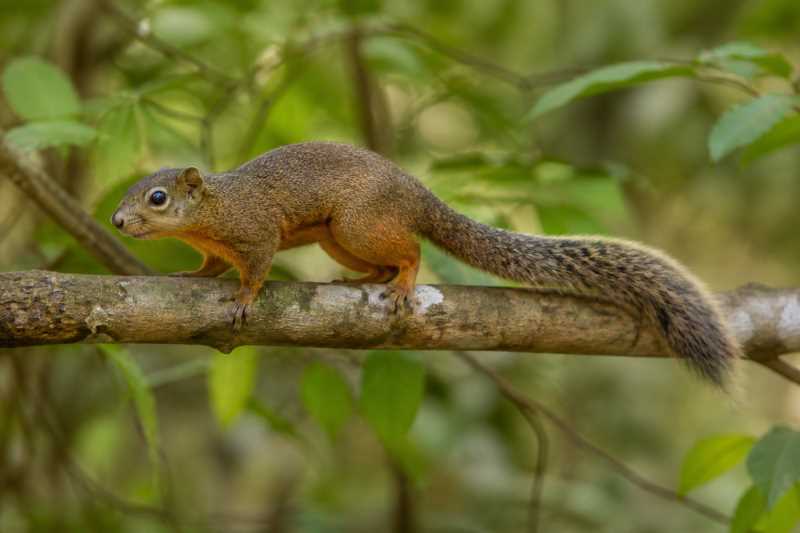
The coat of the Irrawaddy Squirrel is soft and varies in coloration. The dorsal side is usually a dull olive-brown or gray, providing excellent camouflage in their natural surroundings. The ventral side tends to be lighter, often exhibiting a whitish or pale yellow hue. A key identifying feature is the reddish-brown coloration found near the base of the tail, which can be a useful marker in distinguishing them from similar species.
Their large, expressive eyes are adapted for keen vision, essential for spotting predators and navigating through dense foliage. The ears are small and rounded, lacking tufts, which is a common trait in many other squirrel species. Their strong, curved claws are perfectly suited for climbing trees and foraging for food.
Range and Habitat
The Irrawaddy Squirrel is predominantly found in the Southeast Asian countries of Myanmar, Thailand, Laos, Cambodia, Vietnam, and parts of India and Bangladesh. They thrive in tropical and subtropical climates, favoring deciduous and evergreen forests. These squirrels are highly adaptable and can also be found in secondary forests, agricultural lands, and even urban areas where trees are abundant.
Their natural habitat is characterized by dense canopies and abundant foliage, providing ample food resources and protection from predators. They are primarily arboreal, spending most of their time in the trees, although they may occasionally descend to the ground in search of food or to escape threats.
Behavior and Diet
Irrawaddy Squirrels are diurnal creatures, active during the day, particularly in the early morning and late afternoon. They are known for their energetic and acrobatic movements, often seen leaping from branch to branch with impressive agility.
Their diet is omnivorous, consisting of a wide variety of foods. They primarily feed on fruits, seeds, and nuts, which they forage from the treetops. In addition to plant matter, they may also consume insects, bird eggs, and small invertebrates, making them opportunistic feeders.
These squirrels are solitary or live in small family groups. They communicate through a series of vocalizations and physical gestures, such as tail flicking, to convey warnings or establish territory.
Identification Tips (Field Recognition Cues)
Identifying the Irrawaddy Squirrel in the wild can be challenging due to its elusive nature and similarity to other species. Here are some tips to help with identification:
- Tail Markings: Look for the reddish-brown coloration at the base of their tails, a distinctive feature.
- Size and Shape: Note their medium size and the bushy tail, which is often longer than their body.
- Coloration: Observe the olive-brown or gray dorsal side and the paler ventral side.
- Behavior: Watch for their agile movements and habit of leaping between branches.
- Vocalizations: Listen for their distinct calls, often a series of chirps or chatters, especially if alarmed.
Conservation Status (With Threats and Protections)
The Irrawaddy Squirrel is currently listed as Least Concern on the IUCN Red List, indicating a stable population across its range. However, like many wildlife species, they face several threats that could impact their long-term survival.
Threats:
- Habitat Loss: Deforestation due to logging, agriculture, and urban development is the primary threat, leading to loss of natural habitats.
- Hunting: In some regions, they are hunted for food or the pet trade, which can reduce local populations.
- Climate Change: Alterations in climate patterns can affect food availability and habitat conditions.
Protections:
- Protected Areas: Many regions where the Irrawaddy Squirrel is found are designated as protected areas, providing some level of habitat security.
- Legal Protections: Various national laws and international agreements aim to regulate hunting and trade.
- Conservation Programs: Initiatives focused on habitat restoration and community education help raise awareness about the species and its ecological role.
Frequently Asked Questions
What is the Irrawaddy Squirrel’s natural habitat?
The Irrawaddy Squirrel thrives in tropical and subtropical forests, particularly in deciduous and evergreen environments. They are highly adaptable and can also inhabit secondary forests and urban areas with sufficient tree cover.
How can you distinguish an Irrawaddy Squirrel from other squirrels?
Key distinguishing features include the reddish-brown coloration at the base of their tails, medium size, olive-brown or gray dorsal fur, and agile, acrobatic movements in trees.
What do Irrawaddy Squirrels eat?
Their diet is omnivorous, consisting primarily of fruits, seeds, and nuts. They also consume insects, bird eggs, and small invertebrates.
Are Irrawaddy Squirrels endangered?
Currently, the Irrawaddy Squirrel is listed as Least Concern by the IUCN, although they face threats from habitat loss, hunting, and climate change.
How do Irrawaddy Squirrels communicate?
They use vocalizations, such as chirps and chatters, along with tail movements to communicate with each other, especially for warning signals or establishing territory.
Related posts