Introduction
Greenbaum’s Deermouse, scientifically known as Peromyscus greenbaumi, is a relatively recent addition to the family of North American rodents. Discovered and described within the last decade, this species has piqued the interest of mammalogists and wildlife enthusiasts alike. Known for its adaptability and ecological significance, Greenbaum’s Deermouse plays a crucial role in the ecosystems it inhabits. This article explores the fascinating aspects of this species, from its physical characteristics to its behavioral patterns and conservation status.
Physical Description
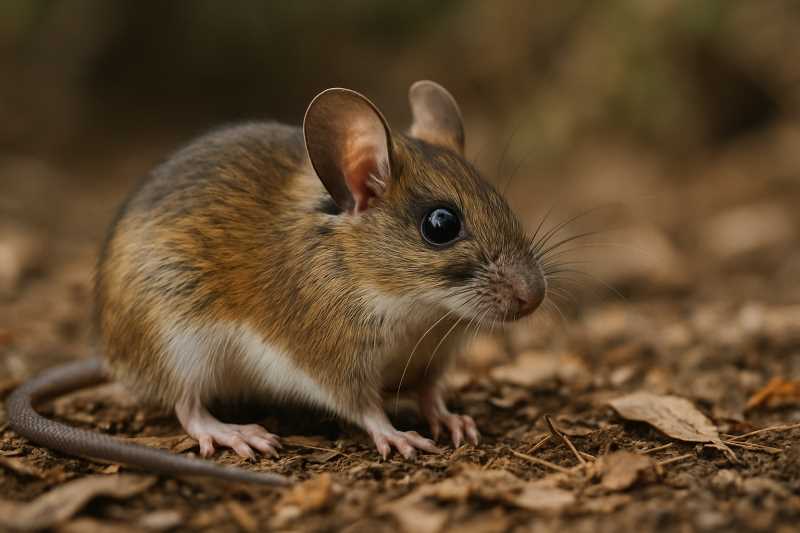
Greenbaum’s Deermouse is a small rodent with distinct features that set it apart from its close relatives. Adult individuals typically weigh between 15 to 25 grams and measure approximately 17 to 21 centimeters in length, including their tail. The fur of Peromyscus greenbaumi is soft and dense, with a coloration that ranges from a light tawny brown to a more muted grayish-brown, providing excellent camouflage in its natural habitat.
One of the most striking features of Greenbaum’s Deermouse is its large, expressive eyes, which are well-adapted for its nocturnal lifestyle. The ears are moderately large and rounded, aiding in the detection of predators and prey alike. The tail is bi-colored, darker on the dorsal side and lighter underneath, which is a common trait among the Peromyscus genus. The tail is also nearly as long as the head and body combined, contributing to the deermouse’s agility and balance.
Range and Habitat
The geographic range of Greenbaum’s Deermouse is primarily limited to specific regions within North America. It is predominantly found in semi-arid environments, particularly in the southwestern United States and parts of northern Mexico. This species thrives in habitats such as scrublands, grasslands, and desert fringes, where it can exploit the availability of food resources and shelter.
Greenbaum’s Deermouse exhibits remarkable adaptability to its environment. It can occupy both lowland areas and mountainous regions, showing a preference for rocky outcrops and areas with abundant ground cover, which provide protection from predators and harsh weather conditions. The presence of this deermouse in diverse habitats underscores its ecological versatility.
Behavior and Diet
Greenbaum’s Deermouse is predominantly nocturnal, displaying peak activity during the night when it forages for food. This behavior helps it avoid daytime predators and the intense heat of its arid habitats. The species is omnivorous, with a diet that includes seeds, fruits, insects, and small invertebrates. Its feeding habits contribute to seed dispersal, making it an important ecological player in its environment.
Socially, Peromyscus greenbaumi is relatively solitary, although it may occasionally form small groups or pairs during the breeding season. Communication among individuals is facilitated by vocalizations, scent markings, and visual cues. The deermouse is also known for its agility and speed, which are crucial for escaping predators and navigating its complex habitat.
Identification Tips
For those interested in observing Greenbaum’s Deermouse in the wild, certain field recognition cues can aid in its identification:
- Large Eyes: Look for the characteristic large, dark eyes, which are adapted for low-light conditions.
- Tail Markings: Note the bi-colored tail, darker on top and lighter underneath, a distinctive feature of this species.
- Fur Coloration: Observe the fur, which typically ranges from tawny brown to grayish-brown, providing camouflage in natural surroundings.
- Size and Shape: Compare its size to other rodents; Greenbaum’s Deermouse is small and agile, with a body length of about 17-21 cm including the tail.
Conservation Status
The conservation status of Greenbaum’s Deermouse is currently evaluated as Least Concern by the International Union for Conservation of Nature (IUCN). However, this does not mean the species is free from threats. Habitat loss due to urbanization, agriculture, and climate change poses significant risks to its populations. Invasive species and predation by domestic animals also contribute to its challenges in some regions.
Protective measures for Peromyscus greenbaumi include habitat conservation efforts and monitoring population trends. Conservationists advocate for the preservation of natural landscapes and the implementation of sustainable land-use practices to ensure the long-term survival of this species.
Frequently Asked Questions
What does Greenbaum’s Deermouse eat?
Greenbaum’s Deermouse has an omnivorous diet, feeding on seeds, fruits, insects, and small invertebrates. This diverse diet allows it to adapt to varying food availability in its habitat.
Where can I find Greenbaum’s Deermouse?
This species is primarily found in the southwestern United States and northern Mexico, inhabiting semi-arid regions such as scrublands and grasslands.
How can I identify Greenbaum’s Deermouse in the wild?
Look for its large, dark eyes, bi-colored tail, and tawny brown to grayish-brown fur. These features, along with its small size, help distinguish it from other rodents.
Is Greenbaum’s Deermouse endangered?
Currently, Greenbaum’s Deermouse is listed as Least Concern by the IUCN, but it faces threats from habitat loss, invasive species, and climate change.
What is the role of Greenbaum’s Deermouse in its ecosystem?
As an omnivore, Greenbaum’s Deermouse contributes to seed dispersal and pest control, playing a vital role in maintaining ecological balance in its environment.
Related posts