Introduction
Walter Verheyen’s African Dormouse (Graphiurus walterverheyeni) is a fascinating small mammal endemic to parts of Africa. Named in honor of the Belgian zoologist Walter Verheyen, who contributed significantly to African mammalogy, this dormouse species was first described in 2006. It has since garnered interest among researchers and wildlife enthusiasts alike. This elusive nocturnal creature is known for its arboreal lifestyle and plays an essential role in its ecosystem.
Physical Description
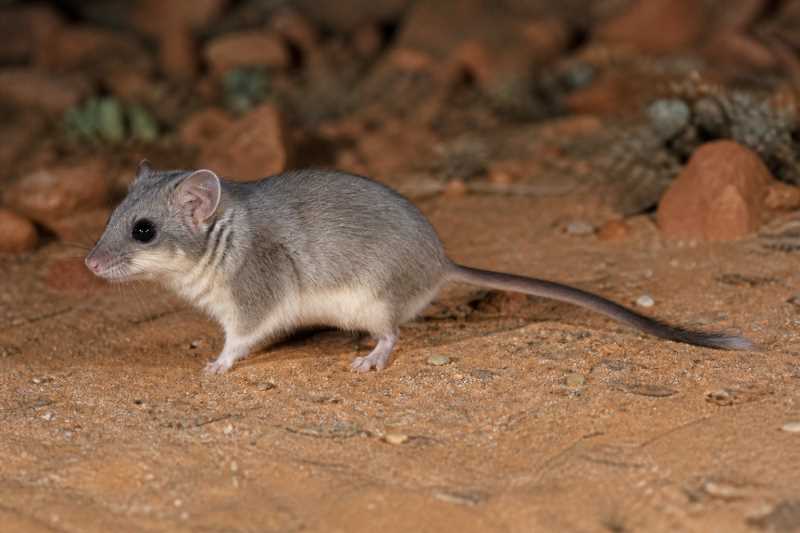
Walter Verheyen’s African Dormouse is a diminutive, agile rodent with a distinctive appearance. Typically measuring between 8 to 10 centimeters in body length, with an additional 6 to 8 centimeters for its bushy tail, it weighs approximately 20 to 40 grams. Its fur is soft and dense, usually featuring a greyish-brown hue on the dorsal side and a lighter, creamy color on the ventral side. One of its most striking features is its large, dark eyes that enhance its nocturnal vision, complemented by rounded ears that are well-suited for detecting sounds in the dark. The tail is bushy and serves as a balancing tool when navigating the treetops.
Range and Habitat
Graphiurus walterverheyeni is predominantly found in the dense forests of Central Africa. Its range includes countries such as Cameroon, Gabon, and parts of the Democratic Republic of the Congo. These dormice favor humid, tropical environments where they can thrive in the canopy of primary and secondary forests. They are arboreal by nature, relying on the forest’s vertical structure for shelter and foraging. The habitat provides ample cover and resources, with the dense foliage offering protection from predators and an abundant supply of food.
Behavior and Diet
Walter Verheyen’s African Dormouse is a nocturnal animal, primarily active during the night. It exhibits a solitary lifestyle, although it may be observed in small groups during the breeding season. This dormouse is known for its agility and remarkable climbing abilities, often using its tail for balance. Its diet consists mainly of fruits, seeds, and insects, making it an omnivore. The combination of plant and animal matter in its diet supports its nutritional needs and reflects its opportunistic feeding habits. During the day, it rests in nests built in tree hollows or dense foliage, emerging at dusk to begin its nightly activities.
Identification Tips (Field Recognition Cues)
When trying to identify Walter Verheyen’s African Dormouse in the wild, look for the following characteristics:
- Size and Shape: Small body, approximately 8 to 10 cm in length, with a bushy tail that adds an extra 6 to 8 cm.
- Fur Color: Greyish-brown dorsal fur with a lighter, creamy underside.
- Eyes and Ears: Large, dark eyes suited for night vision and rounded ears.
- Behavior: Nocturnal and arboreal, often seen climbing trees or leaping between branches.
- Tail: Bushy and used for balance, distinguishing it from other small rodents.
Conservation Status (with Threats and Protections)
The conservation status of Walter Verheyen’s African Dormouse is currently listed as ‘Data Deficient’ by the International Union for Conservation of Nature (IUCN). This classification arises from a lack of comprehensive data on its population size and distribution, which hampers conservation efforts. However, like many forest-dwelling species, it faces threats from habitat loss due to deforestation and land-use changes. The conversion of forest land for agriculture and logging activities poses significant risks to its survival.
Conservation efforts are focused on habitat protection, primarily through the establishment of protected areas and the promotion of sustainable land use practices. These measures aim to preserve the dormouse’s natural habitat and ensure its continued existence. Increased research efforts are also necessary to gather more data on its ecology and population dynamics to inform conservation strategies.
Frequently Asked Questions
- What are the primary threats to Walter Verheyen’s African Dormouse?
The primary threats include habitat loss due to deforestation and agricultural expansion. Conservation efforts focus on preserving forest habitats and promoting sustainable land use.
- How can I spot Walter Verheyen’s African Dormouse in the wild?
Look for small, nocturnal rodents with greyish-brown fur and bushy tails. They are typically found climbing in trees within dense forests.
- What does Walter Verheyen’s African Dormouse eat?
Its diet consists of fruits, seeds, and insects, reflecting its omnivorous feeding habits.
- Is Walter Verheyen’s African Dormouse endangered?
It is currently listed as ‘Data Deficient’ by the IUCN. More research is needed to assess its population status accurately.
- Why is it called Walter Verheyen’s African Dormouse?
The species is named after Walter Verheyen, a Belgian zoologist who made significant contributions to the study of African mammals.
Related posts