The Sand-colored Nighthawk: An Enigma of the Amazonian Skies
The Sand-colored Nighthawk (Chordeiles rupestris) is a mesmerizing avian species that graces the skies of the Amazon Basin with its subtle elegance and intriguing behavior. This bird, a member of the nightjar family, Caprimulgidae, is particularly notable for its cryptic plumage and unique habitat preferences, making it an exciting subject for ornithologists and birdwatchers alike.
Overview and Classification
Belonging to the order Caprimulgiformes, the Sand-colored Nighthawk shares its family with other nighthawks and nightjars, known for their nocturnal habits and aerial agility. Chordeiles rupestris is distributed primarily in the lowland river systems of the Amazon and Orinoco Basins, spanning across countries such as Brazil, Peru, Colombia, Venezuela, and Bolivia. This geographical range underscores its adaptability to diverse riverine environments.
Physical Characteristics
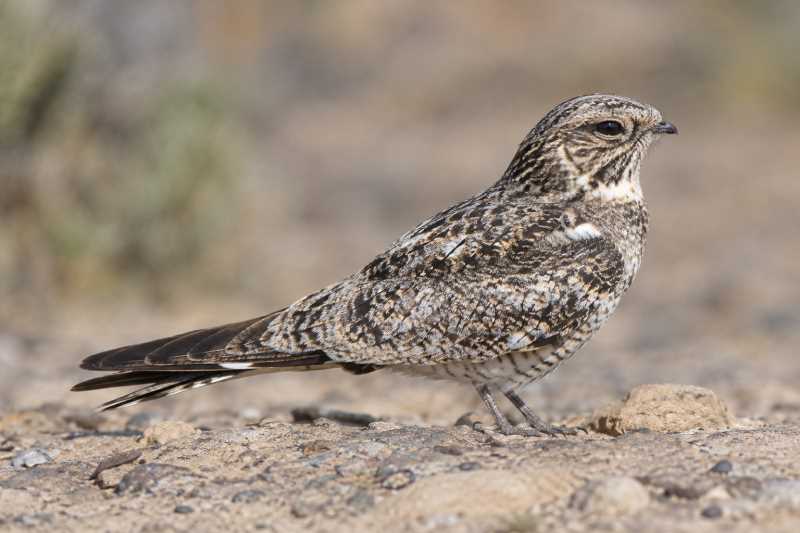
True to its name, the Sand-colored Nighthawk exhibits plumage that blends seamlessly with sandy and gravelly riverbanks. Its feathers are predominantly a mix of gray, brown, and cream, providing excellent camouflage against predators. This bird’s compact body, long pointed wings, and notched tail are typical of nighthawks, designed for agile flight and maneuverability. The nighthawk’s large eyes are adapted for low-light conditions, aiding its crepuscular and nocturnal lifestyle.
Behavior and Ecology
The Sand-colored Nighthawk is primarily crepuscular, most active during the twilight hours of dawn and dusk. During the day, it rests on sandy riverbanks, relying on its camouflaged plumage to remain undetected by predators. This behavior is not only a defensive strategy but also a thermoregulatory adaptation, as the sand provides cooling relief in the heat of the day.
These nighthawks are insectivorous, feeding on a diet composed predominantly of flying insects. They exhibit an impressive aerial acrobatics display as they hunt, using their wide mouths to scoop up prey mid-flight. Their feeding habits play a significant ecological role in controlling insect populations in their habitats.
Reproductive Habits
The breeding season of the Sand-colored Nighthawk aligns with the dry season in the Amazon, typically from July to September. During this time, the riverbanks are exposed, providing ideal nesting sites. Unlike many bird species, the Sand-colored Nighthawk does not build a traditional nest. Instead, it lays its eggs directly on the sand or gravel, where the eggs’ coloration helps them blend into the surroundings.
The female typically lays one to two eggs per breeding season. Both parents are involved in incubating the eggs and caring for the hatchlings. The chicks are precocial, meaning they are relatively mature and mobile shortly after hatching, which is vital for survival in the exposed nesting sites.
Conservation Status
Currently, the Sand-colored Nighthawk is classified as Least Concern by the International Union for Conservation of Nature (IUCN). However, ongoing threats such as habitat destruction due to deforestation and riverbank alteration for agriculture and mining pose potential risks to their populations.
Conservation efforts focus on protecting the delicate ecosystems of the Amazon Basin, which in turn supports the diverse avian species, including the Sand-colored Nighthawk. Continued research and monitoring are essential to understanding the full impact of environmental changes on this species.
Human Interaction and Cultural Significance
The elusive nature of the Sand-colored Nighthawk means it is not as well-known as other Amazonian birds. Nevertheless, it holds importance in local ecosystems as a natural pest controller. Birdwatching enthusiasts who venture into the Amazon often seek the opportunity to observe this species, contributing to eco-tourism and raising awareness about the region’s biodiversity.
Conclusion
The Sand-colored Nighthawk remains an enigmatic figure of the Amazonian skies. Its adaptation to a life on the riverbanks, coupled with its cryptic appearance and specialized feeding habits, highlights the incredible diversity and ecological complexity of its habitat. Protecting this species and its environment ensures the continued health and balance of the ecosystems it inhabits.
For those intrigued by avian life, the Sand-colored Nighthawk offers a unique glimpse into the subtle beauty and intricate dynamics of Amazonian wildlife. As we continue to learn more about this remarkable bird, it serves as a reminder of the rich tapestry of life that thrives within the world’s lush, vibrant rainforests.
Related posts