Legbo Valley Pika (Ochotona legbona): A Comprehensive Guide
Introduction
The Legbo Valley Pika (Ochotona legbona) is a small, herbivorous mammal belonging to the family Ochotonidae. Known for their distinctive calls and sociable nature, pikas are often found in high-altitude environments across Asia and North America. The Legbo Valley Pika, in particular, has carved out a niche in the Legbo Valley region, becoming a subject of interest for researchers and wildlife enthusiasts alike. This article explores the various facets of the Legbo Valley Pika, including its physical description, habitat, behavior, and conservation status, offering a comprehensive guide to this fascinating species.
Physical Description
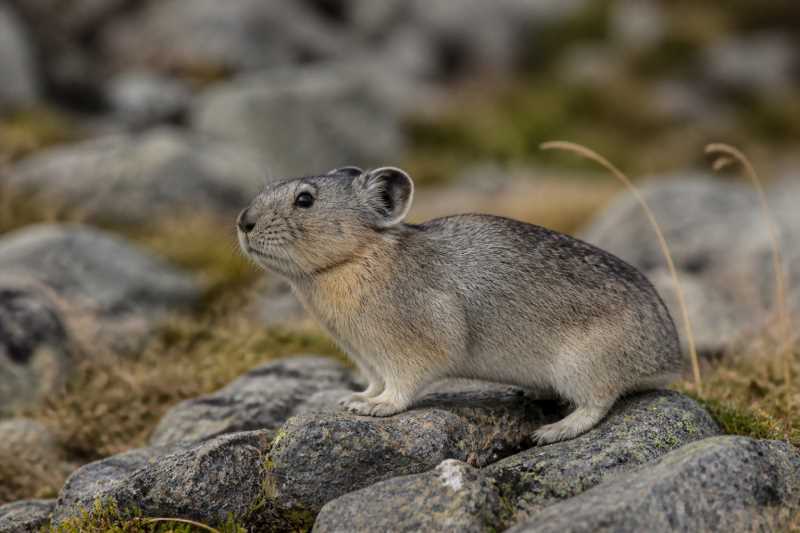
The Legbo Valley Pika is a small mammal, measuring approximately 15 to 20 centimeters in length and weighing between 100 to 150 grams. Its compact body is well-suited to the cold, mountainous terrain it inhabits. The pika possesses short limbs and rounded ears, which help minimize heat loss in its chilly environment. Its fur is typically a soft, dense gray-brown, providing excellent camouflage against the rocky landscapes of the Legbo Valley. Unlike rabbits and hares, which are also part of the order Lagomorpha, pikas have no visible tail.
Range and Habitat
Endemic to the Legbo Valley in the eastern part of the Tibetan Plateau, Ochotona legbona thrives in alpine and subalpine environments. The region is characterized by steep slopes, rocky outcrops, and sparse vegetation, creating an ideal habitat for pikas. These animals prefer elevations ranging from 3,000 to 5,000 meters, where they exploit crevices in rocks for shelter and protection from predators. The harsh climate and limited resources of the Legbo Valley have shaped the pika’s adaptive behaviors and dietary preferences.
Behavior and Diet
Legbo Valley Pikas are diurnal creatures, most active during the early morning and late afternoon. They are known for their vocalizations, which serve as communication between individuals and as alarm calls when predators are nearby. These calls are crucial for maintaining social structures within pika colonies.
Their diet primarily consists of grasses, herbs, and other alpine plants. During the short growing season, Legbo Valley Pikas diligently gather and store vegetation in haypiles, which are essential for their winter survival. This behavior, known as haying, ensures a reliable food supply during the harsh winter months when fresh vegetation is scarce.
Identification Tips (Field Recognition Cues)
Identifying the Legbo Valley Pika in the wild requires attention to several key characteristics:
- Size and Shape: Look for a small, rounded body with short limbs and no visible tail.
- Coloration: Note the gray-brown fur, which blends seamlessly with rocky surroundings.
- Ears: Rounded ears that are smaller than those of hares and rabbits.
- Vocalizations: Listen for their distinctive, high-pitched calls, especially if you are near rocky outcrops.
- Behavior: Observe their haying activity and social interactions, which are indicative of pika colonies.
Conservation Status (With Threats and Protections)
Currently, the conservation status of the Legbo Valley Pika is classified as Near Threatened on the IUCN Red List. The species faces several threats, primarily due to climate change, habitat degradation, and human encroachment. Rising temperatures are reducing their alpine habitat, forcing pikas to higher elevations where resources are even scarcer.
Conservation efforts are focused on habitat protection and monitoring climate impacts. Researchers are studying the adaptability of pikas to changing environmental conditions, and conservationists are working to establish protected areas that encompass critical pika habitats. Additionally, raising public awareness about the importance of alpine ecosystems and the species that inhabit them is crucial for long-term conservation success.
Frequently Asked Questions
What is the primary diet of the Legbo Valley Pika?
The Legbo Valley Pika primarily feeds on grasses, herbs, and alpine plants. They gather and store vegetation in haypiles during the growing season to ensure a food supply for winter.
How does climate change affect the Legbo Valley Pika?
Climate change poses a significant threat to the Legbo Valley Pika by reducing its alpine habitat. Rising temperatures force pikas to move to higher elevations, where resources are limited, and survival becomes more challenging.
Are Legbo Valley Pikas social animals?
Yes, Legbo Valley Pikas are social creatures, often found in colonies. They communicate through vocalizations and engage in cooperative behaviors, such as mutual haying and alerting each other to predators.
What adaptations help the Legbo Valley Pika survive in its environment?
The Legbo Valley Pika has several adaptations for survival, including dense fur for insulation, a compact body to minimize heat loss, and behaviors like haying to store food for winter.
How can I help in the conservation of the Legbo Valley Pika?
Supporting conservation organizations focused on preserving alpine habitats and advocating for climate change mitigation can aid in the protection of the Legbo Valley Pika. Educating others about the species and its ecological importance also contributes to conservation efforts.
Related posts