Introduction
The Zagros Mountains Brush-tailed Mouse, scientifically known as Calomyscus bailwardi, is a small mammal species that inhabits the rugged terrains of the Zagros Mountains in Iran. This elusive rodent, part of the family Calomyscidae, is of particular interest to researchers due to its unique adaptations to the mountainous environment. As a species with a relatively restricted range, understanding its ecology and behavior can contribute to broader conservation efforts in the region.
The Zagros Mountains Brush-tailed Mouse is characterized by its distinctive brush-like tail, which is not only a defining physical trait but also serves functional purposes in its natural habitat. This article explores the various aspects of Calomyscus bailwardi, including its physical characteristics, habitat preferences, behavior, and conservation status. By delving into these topics, we aim to provide a comprehensive overview of this intriguing mammal.
Physical Description
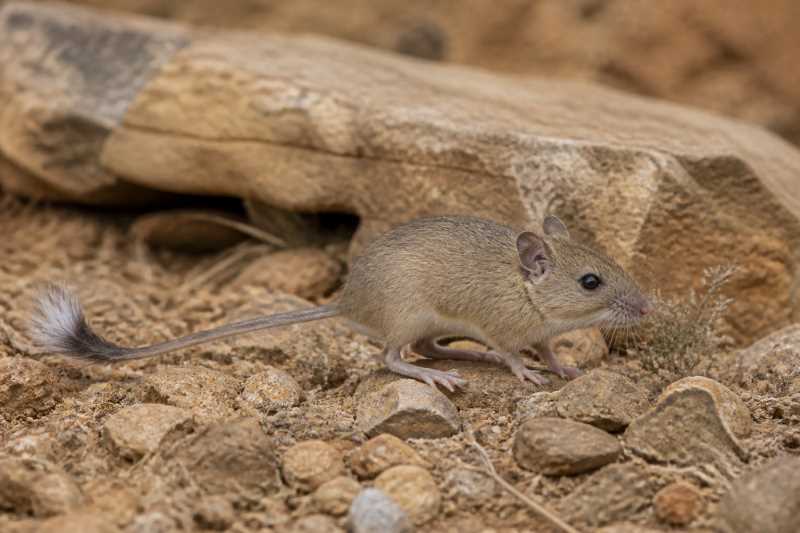
The Zagros Mountains Brush-tailed Mouse is a small, agile rodent with a total length of approximately 150 to 170 mm, including its tail. The most striking feature of this species is its tail, which resembles a painter’s brush due to the dense, elongated fur that covers it. This brush-like tail is not merely decorative; it plays a crucial role in the mouse’s balance and agility as it navigates the rocky terrain of its mountainous habitat.
The body of Calomyscus bailwardi is compact and covered with soft fur that varies in color from sandy brown to light gray on the dorsal side, providing excellent camouflage against the rocky and arid landscape. The ventral side is typically lighter, often a pale cream or white, which helps in thermoregulation and reflects heat.
Its head is relatively small, with large, dark eyes adapted for nocturnal activity. The ears are rounded and proportionate, aiding in acute hearing, which is vital for detecting predators and communicating within their social groups.
Range and Habitat
Calomyscus bailwardi is endemic to the Zagros Mountains, a major mountain range in western Iran that extends into northern Iraq. This region is characterized by its rugged terrain, diverse flora and fauna, and a climate that ranges from temperate to arid.
The preferred habitat of the Zagros Mountains Brush-tailed Mouse includes rocky slopes, cliffs, and areas with sparse vegetation. These environments provide ample cover from predators and a variety of food sources. The mouse is well-adapted to the arid conditions of the region, often taking shelter in crevices and burrows to escape the harsh climate and conserve moisture.
Despite its limited range, the mouse can be found at various elevations within the Zagros Mountains, demonstrating its adaptability to different microhabitats within this mountainous region.
Behavior and Diet
The Zagros Mountains Brush-tailed Mouse is primarily nocturnal, emerging at dusk to forage for food. Its diet consists mainly of seeds, berries, and other plant materials, which are abundant in its natural habitat. Occasionally, it may also consume insects and other small invertebrates, providing a balanced diet rich in protein and essential nutrients.
In terms of behavior, Calomyscus bailwardi is known for its agility and ability to navigate steep and rocky terrains efficiently. Its brush-like tail aids in balance and mobility, allowing it to leap from rock to rock with ease.
Socially, these mice are relatively solitary but may form small groups during the breeding season. Communication within the species is facilitated through vocalizations and scent markings, which help establish territories and attract mates.
Identification Tips (Field Recognition Cues)
Identifying the Zagros Mountains Brush-tailed Mouse in the field requires attention to a few key physical and behavioral traits:
- Tail: Look for the distinctive brush-like tail, which is bushy and elongated compared to other rodent species in the area.
- Fur Color: Observe the sandy brown to light gray dorsal fur, which aids in blending with rocky environments.
- Size: Note the small size, with a total length of about 150 to 170 mm, including the tail.
- Activity Patterns: Spot them during dusk or nighttime hours, as they are primarily nocturnal.
- Habitat: Check rocky slopes and crevices where they are likely to take shelter and forage.
Conservation Status (With Threats and Protections)
Currently, the conservation status of Calomyscus bailwardi is not well-defined due to limited comprehensive studies. However, like many species with restricted ranges, it faces potential threats from habitat loss and environmental changes.
Threats:
- Habitat Destruction: Human activities such as agriculture, infrastructure development, and mining can lead to habitat fragmentation.
- Climate Change: Alterations in regional climate patterns may affect the availability of food and suitable habitats.
- Predation: Natural predators, including birds of prey and larger mammals, pose a constant threat.
Protections:
- Protected Areas: Some parts of the Zagros Mountains are designated as protected reserves, which can help preserve critical habitats.
- Research Initiatives: Ongoing research and monitoring efforts are crucial for understanding population dynamics and implementing effective conservation strategies.
Frequently Asked Questions
Q1: Where can I find the Zagros Mountains Brush-tailed Mouse?
A1: The Zagros Mountains Brush-tailed Mouse is endemic to the Zagros Mountains in western Iran. It inhabits rocky slopes and cliffs within this mountain range, often taking shelter in crevices and burrows.
Q2: What does the Zagros Mountains Brush-tailed Mouse eat?
A2: This mouse primarily feeds on seeds, berries, and other plant materials. Occasionally, it may consume insects and small invertebrates to supplement its diet.
Q3: How does the brush-like tail benefit the Zagros Mountains Brush-tailed Mouse?
A3: The brush-like tail aids in balance and agility, allowing the mouse to navigate the rocky and steep terrain of its mountainous habitat with ease. It also plays a role in communication and thermoregulation.
Q4: What are the main threats to the Zagros Mountains Brush-tailed Mouse?
A4: The main threats include habitat destruction due to human activities, climate change affecting habitat and food availability, and predation from natural predators.
By understanding and addressing these factors, conservationists can work towards ensuring the survival of this unique species.
Related posts