Lowe’s Gerbil (Gerbillus lowei): A Comprehensive Overview
Introduction
Lowe’s Gerbil (Gerbillus lowei) is a fascinating species belonging to the rodent family Muridae. Known for its adaptability and unique behaviors, this small mammal captivates both researchers and wildlife enthusiasts. Endemic to the arid regions of North Africa, Lowe’s Gerbil is a vital component of its ecosystem, contributing to soil aeration and seed dispersion. Despite its ecological importance, limited information is available about this elusive creature, making it an intriguing subject for further study.
Physical Description
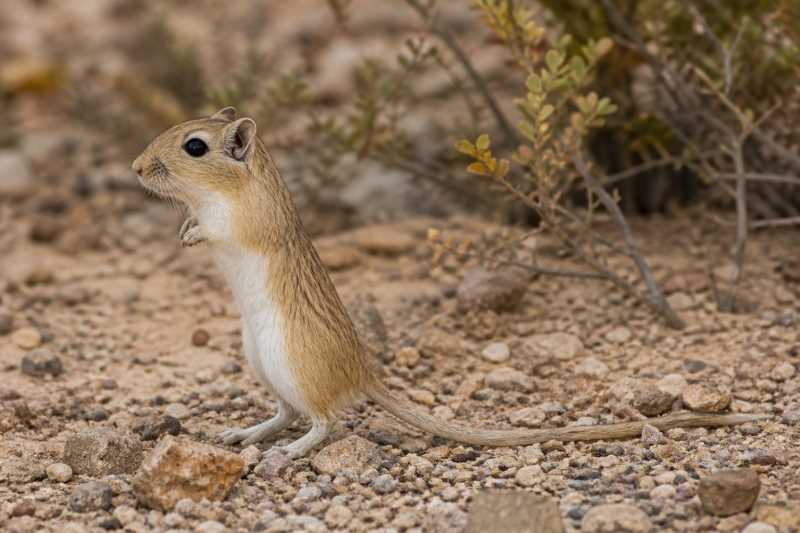
Lowe’s Gerbil is a small rodent, characterized by its slender body, long tail, and large hind legs. These physical adaptations enable it to move swiftly across the sandy and rocky terrains of its habitat. Typically, an adult Lowe’s Gerbil measures between 18 to 24 centimeters from head to tail, with the tail accounting for more than half of its total length.
The fur of Lowe’s Gerbil is soft and silky, predominantly featuring a sandy or tawny coloration that provides excellent camouflage against desert landscapes. The underbelly is usually lighter, often white or cream-colored. Notably, Lowe’s Gerbil has large, dark eyes adapted for low-light conditions, and its ears are relatively large, aiding in thermoregulation and acute hearing.
Range and Habitat
Lowe’s Gerbil is primarily found in the arid regions of North Africa, including parts of Algeria, Libya, and Morocco. It thrives in deserts and semi-desert environments, where it occupies sand dunes, rocky outcrops, and sparse vegetation areas. The species is well-adapted to these harsh conditions, utilizing burrows to escape the extreme temperatures and predators.
The gerbil’s burrowing behavior not only serves as a shelter but also plays a crucial role in maintaining the ecosystem by promoting soil health and facilitating plant growth. Their burrows often feature multiple entrances and are strategically located near food sources.
Behavior and Diet
Primarily nocturnal, Lowe’s Gerbil is most active during the cooler hours of the night, avoiding the intense daytime heat. This nocturnal lifestyle is complemented by its solitary nature, although it may occasionally be seen in small groups during breeding seasons or when resources are abundant.
The diet of Lowe’s Gerbil is diverse, consisting mainly of seeds, grasses, and leaves. It has a remarkable ability to survive on minimal water intake, deriving most of its hydration from the food it consumes. This adaptation is vital in its arid habitat, where water sources are scarce. Occasionally, the gerbil supplements its diet with insects, providing necessary proteins and fats.
Identification Tips
Identifying Lowe’s Gerbil in the field can be challenging due to its elusive nature and resemblance to other gerbil species. However, certain characteristics can aid in its identification:
- Fur Color: Look for the distinctive sandy or tawny fur with a lighter underbelly.
- Tail Length: Note the long tail, which is often longer than the gerbil’s body and tipped with a small tuft of fur.
- Hind Legs: Observe the pronounced hind legs, which are adapted for jumping and fast movement.
- Ears and Eyes: Large ears and prominent dark eyes are indicative of Lowe’s Gerbil, adapted for nocturnal activity and acute hearing.
- Behavior: Watch for nocturnal activity and burrowing behavior, often near food sources.
Conservation Status
Lowe’s Gerbil is currently classified as a species of Least Concern by the International Union for Conservation of Nature (IUCN). However, this status does not imply that the species faces no threats. Habitat loss due to agricultural expansion and human encroachment poses significant challenges to its population.
Additionally, climate change, leading to alterations in desert ecosystems, could impact the availability of food and suitable habitats. Conservation efforts focus on habitat preservation and monitoring population trends to ensure the species’ continued survival.
Protection measures include establishing protected areas and conducting research to better understand the species’ ecology and behavior. Public awareness campaigns also play a role in promoting the importance of preserving desert environments and their inhabitants.
Frequently Asked Questions
What adaptations allow Lowe’s Gerbil to thrive in desert environments?
Lowe’s Gerbil possesses several adaptations that enable it to survive in arid conditions. These include its nocturnal lifestyle, which helps avoid daytime heat, and its ability to obtain water from food, minimizing the need for direct water sources. Its burrowing habit provides shelter from predators and extreme temperatures.
How does Lowe’s Gerbil contribute to its ecosystem?
By burrowing, Lowe’s Gerbil aerates the soil, which enhances nutrient cycling and promotes plant growth. This activity supports the ecosystem by maintaining soil health and facilitating the dispersal of seeds, essential for vegetation regeneration.
Are there any conservation efforts in place for Lowe’s Gerbil?
Yes, conservation efforts focus on habitat preservation and monitoring population trends. Protected areas are established to conserve key habitats, and research initiatives aim to deepen our understanding of the species’ ecology and behavior.
What are the main threats to Lowe’s Gerbil?
The primary threats to Lowe’s Gerbil include habitat loss due to agricultural expansion, human encroachment, and climate change. These factors can lead to reduced food availability and loss of suitable habitats.
How can I help in the conservation of Lowe’s Gerbil?
Supporting conservation organizations, raising awareness about the importance of desert ecosystems, and advocating for sustainable land-use practices can contribute to the conservation of Lowe’s Gerbil and its habitat.
Related posts