Introduction
The Lesser Yellow-shouldered Bat, scientifically known as Sturnira nana, is a fascinating mammal species that captures the attention of bat enthusiasts and researchers alike. This small-sized bat is a part of the Phyllostomidae family, which is renowned for its diverse species. Known for their subtle yet distinct features, these bats play a crucial ecological role in their habitats. Despite their relatively small size, Lesser Yellow-shouldered Bats have a significant impact on their ecosystems, primarily through seed dispersal and pollination.
Physical Description
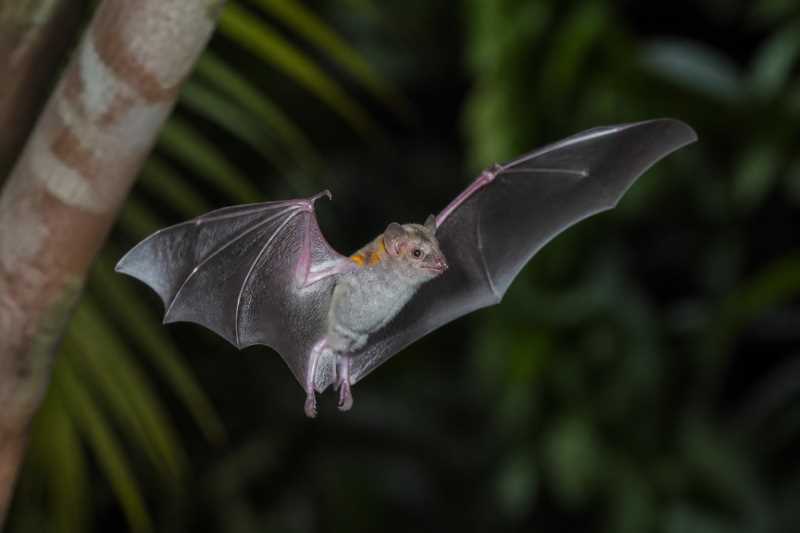
Sturnira nana is characterized by its diminutive size, making it one of the smaller members of its genus. The bat’s name is derived from the yellowish patches on its shoulders, a distinctive feature that sets it apart from other species. The fur is predominantly brown or gray, with a softer, lighter hue on the underside. Adult bats typically weigh between 10 to 20 grams and have a wingspan ranging from 25 to 30 centimeters. Their faces are adorned with a short, broad snout and large, dark eyes that enhance their night vision. The Lesser Yellow-shouldered Bat’s ears are small and rounded, helping them to navigate effectively through their environment.
Range and Habitat
The Lesser Yellow-shouldered Bat is native to Central and South America, with its range extending from southern Mexico through Central America and into the northern regions of South America. These bats are typically found in tropical and subtropical forests, often inhabiting areas that offer abundant fruiting trees. They prefer moist, humid environments that provide ample food resources and roosting sites. The bats are known to occupy a variety of forest types, including primary and secondary forests, as well as disturbed areas where fruiting plants are present.
Behavior and Diet
Lesser Yellow-shouldered Bats are primarily nocturnal, emerging from their roosts at dusk to forage for food. Their diet consists mainly of fruits, making them vital seed dispersers in their ecosystems. They show a particular preference for fruits with a high sugar content, such as figs and other soft-bodied fruits. Occasionally, they may supplement their diet with nectar and insects, especially during periods when fruit is scarce. These bats are social creatures and often roost in small groups, which may consist of family members or unrelated individuals. Their social structure is relatively flexible, adapting to the availability of resources and environmental conditions.
Identification Tips (Field Recognition Cues)
Identifying the Lesser Yellow-shouldered Bat in the field can be challenging due to its small size and nocturnal habits. However, there are several key features to look for:
- Shoulder Patches: Look for the characteristic yellowish patches on the shoulders, which are most visible in good lighting conditions.
- Size and Color: Note the small size and brownish-gray fur, with a lighter underside that can help differentiate it from similar species.
- Flight Patterns: Observe their flight pattern, which is typically slow and deliberate as they search for fruit.
- Roosting Habits: During the day, look for them in sheltered areas such as under leaves or in hollow trees.
Conservation Status (With Threats and Protections)
The conservation status of the Lesser Yellow-shouldered Bat is currently listed as Least Concern by the International Union for Conservation of Nature (IUCN). However, like many other bat species, they face threats from habitat loss due to deforestation and agricultural expansion. Urbanization and land conversion pose significant risks, reducing the availability of suitable roosting and foraging sites. Despite these challenges, the species’ broad range and adaptability have helped maintain stable population levels. Conservation efforts focus on habitat preservation and the establishment of protected areas to ensure the survival of these bats. Additionally, environmental education programs aim to raise awareness about the importance of bats in ecosystem functioning.
Frequently Asked Questions
Q1: What do Lesser Yellow-shouldered Bats eat?
A1: Lesser Yellow-shouldered Bats primarily feed on fruits, with a preference for high-sugar fruits like figs. They also occasionally consume nectar and insects.
Q2: Where can I find Lesser Yellow-shouldered Bats?
A2: These bats are found in Central and South America, primarily in tropical and subtropical forests. They prefer moist environments with abundant fruiting trees.
Q3: How do Lesser Yellow-shouldered Bats contribute to the ecosystem?
A3: They play a crucial role in seed dispersal and pollination, helping to maintain forest diversity and regeneration.
Q4: Are Lesser Yellow-shouldered Bats endangered?
A4: No, they are currently listed as Least Concern. However, they are threatened by habitat loss and require ongoing conservation efforts.
Q5: How can I identify a Lesser Yellow-shouldered Bat?
A5: Look for yellow shoulder patches, small size, brownish-gray fur, and observe their unique flight patterns to identify them in the field.
Related posts