Carnaby’s Black Cockatoo: A Conservation Imperative
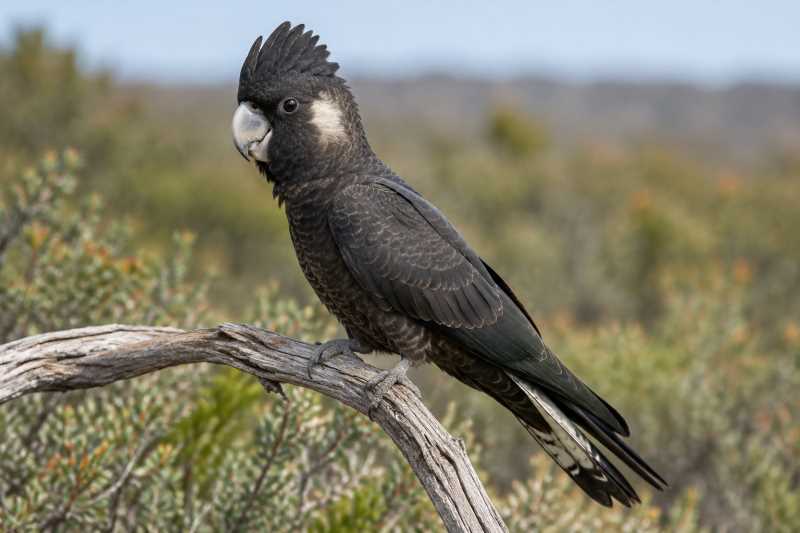
Carnaby’s Black Cockatoo, scientifically known as Zanda latirostris, is a striking and charismatic bird native to the southwestern corner of Australia. Recognized by its glossy black plumage and distinctive white tail panels, this species is an iconic symbol of the unique biodiversity found in the region. However, like many native Australian species, Carnaby’s Black Cockatoo faces significant threats, primarily due to habitat loss and fragmentation, necessitating urgent conservation efforts.
Taxonomy and Physical Characteristics
Carnaby’s Black Cockatoo belongs to the family Cacatuidae, which comprises approximately 21 species of cockatoos. Originally classified under the genus Calyptorhynchus, recent taxonomic revisions have placed it in the genus Zanda. These birds are medium to large-sized, with adults typically measuring between 53 to 58 cm in length and weighing around 570 to 790 grams. Their plumage is predominantly black, with white cheek patches and striking white panels on the tail, which are especially visible in flight. Males and females can be distinguished by their eye color, with males having dark brown eyes and females displaying reddish-brown eyes.
Habitat and Distribution
Historically, Carnaby’s Black Cockatoo was widely distributed across the wheatbelt region of Western Australia, extending from the Murchison River in the north to the south coast. However, their range has contracted significantly due to extensive land clearing for agriculture, urban development, and mining. These birds primarily inhabit eucalypt woodlands, heathlands, and pine plantations, which provide essential resources such as food and nesting sites.
Diet and Foraging Behavior
Carnaby’s Black Cockatoos are highly adaptable feeders, with a diet comprising seeds, nuts, and fruits from a variety of native and introduced plant species. They are particularly reliant on proteaceous plants like banksias, hakeas, and grevilleas. Additionally, they forage on the seeds of introduced pine species, which have become an important food source in areas where native vegetation has been depleted. Their foraging activities play a crucial role in seed dispersal and maintaining the health of their ecosystems.
Reproduction and Life Cycle
The breeding season for Carnaby’s Black Cockatoo typically spans from July to December. These birds are monogamous, forming long-term pair bonds. They nest in large tree hollows, often in mature eucalypts, which provide the necessary space and protection for raising their young. The female lays one to two eggs, and both parents are involved in incubating the eggs and feeding the chicks. The fledgling period lasts approximately 10 to 12 weeks, after which the young cockatoos leave the nest but remain dependent on their parents for several months.
Conservation Status and Threats
Carnaby’s Black Cockatoo is listed as endangered under the Environment Protection and Biodiversity Conservation Act 1999 (EPBC Act) and the International Union for Conservation of Nature (IUCN) Red List. The primary threats to their survival include habitat loss, competition for nesting sites, predation by invasive species, and climate change. Land clearing for agriculture and urban expansion has resulted in the loss of critical feeding and nesting habitats, leading to population declines.
Additionally, the reduction in mature trees with suitable hollows has increased competition for nesting sites, both among cockatoos and with other species such as galahs and invasive bees. Predation by introduced species like foxes and cats, along with the impacts of climate change, further exacerbate the challenges faced by this species.
Conservation Efforts and Strategies
Numerous conservation programs and initiatives have been implemented to protect Carnaby’s Black Cockatoo and its habitat. These efforts include habitat restoration projects, such as replanting native vegetation, installing artificial nesting boxes, and protecting existing nesting sites from disturbance. Public awareness campaigns and community engagement activities are vital in fostering local support for conservation actions.
Collaborative efforts between government agencies, non-governmental organizations, Indigenous communities, and private landowners are essential in developing and implementing effective conservation strategies. Research and monitoring programs are also critical in understanding the ecology and population dynamics of Carnaby’s Black Cockatoo, enabling adaptive management approaches to be employed.
The Role of Policy and Legislation
Effective conservation of Carnaby’s Black Cockatoo requires robust policy frameworks and legislative measures. The EPBC Act provides a legal framework for the protection of threatened species and their habitats, ensuring that any development or land-use changes consider the potential impacts on these birds. Strategic planning and environmental assessments are crucial components of this process, helping to mitigate threats and promote sustainable land-use practices.
Conclusion
Carnaby’s Black Cockatoo serves as a poignant reminder of the biodiversity treasures that inhabit Australia’s landscapes. Protecting this iconic species requires a concerted effort from all sectors of society, emphasizing the importance of habitat preservation, community involvement, and policy support. By safeguarding Carnaby’s Black Cockatoo, we not only ensure the survival of a unique species but also contribute to the health and resilience of the ecosystems they inhabit.
Through continued research, effective policy implementation, and active community engagement, we can hope to secure a brighter future for Carnaby’s Black Cockatoo and the broader biodiversity of the region.
Related posts