Introduction
The Lesser Marmoset Rat, scientifically known as Hapalomys delacouri, is a lesser-known rodent that inhabits parts of Southeast Asia. Despite its name, this creature is not related to the marmoset primates but instead belongs to the Muridae family, which includes true mice and rats. This article delves into the various aspects of the Lesser Marmoset Rat, covering everything from its physical characteristics and habitat to its conservation status and field identification tips.
Physical Description
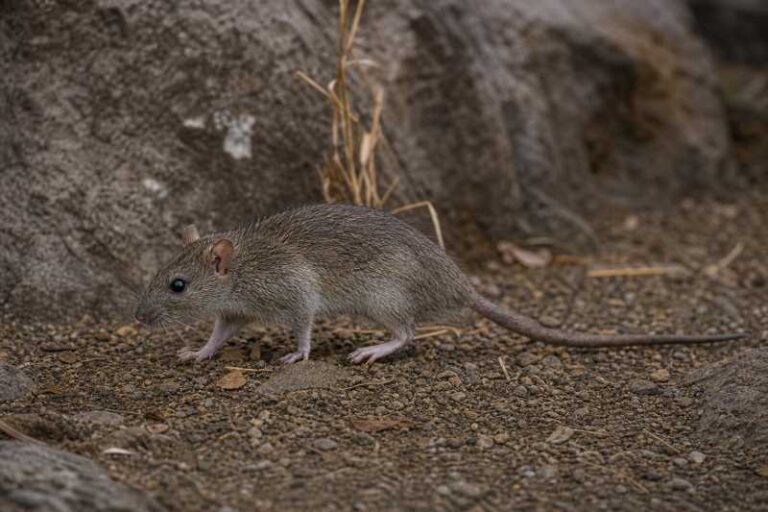
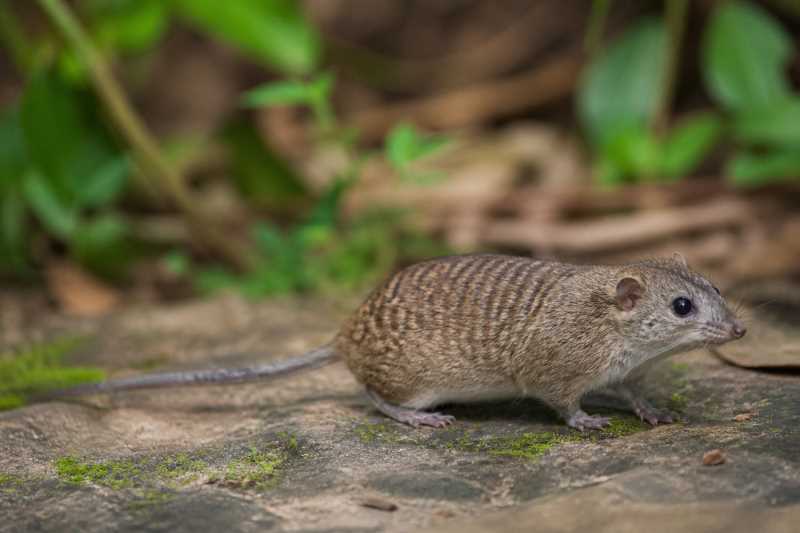
The Lesser Marmoset Rat is a small, arboreal rodent with distinctive features that set it apart from other rat species. It typically measures between 12 to 15 centimeters in body length, with a tail that can add another 15 to 17 centimeters. This proportionally long tail aids in balance and agility as the rat navigates through the forest canopy.
The fur of the Lesser Marmoset Rat is soft and dense, predominantly grayish-brown on the dorsal side, with a lighter underbelly. Its ears are relatively large, aiding in acute hearing, which is crucial for detecting predators and communicating with other rats. The species has a pointed snout and large, expressive eyes, reflecting its nocturnal nature.
Range and Habitat
The Lesser Marmoset Rat is primarily found in the tropical and subtropical forests of Southeast Asia, with confirmed populations in countries such as Vietnam, Laos, and parts of Thailand. These rodents are adapted to life in the high canopy of dense forests, where they find both food and refuge from ground-dwelling predators.
Their habitat preference includes areas with abundant foliage and a complex structure of branches and vines, which provide the necessary support for their arboreal lifestyle. Deforestation and habitat fragmentation pose significant threats to their natural environment, making the conservation of these forests crucial for the survival of the species.
Behavior and Diet
Lesser Marmoset Rats are nocturnal and arboreal, spending most of their lives in the trees. Their nocturnal nature is an adaptation to avoid daytime predators and the heat of the tropical sun. They are solitary creatures, coming together primarily for mating purposes.
Their diet mainly consists of fruits, seeds, and possibly small insects, making them omnivorous. This diet plays a vital role in seed dispersion, contributing to the health and regeneration of their forest habitats. Their foraging habits are predominantly nocturnal, taking advantage of the cover of darkness to avoid predators.
Identification Tips (Field Recognition Cues)
Identifying the Lesser Marmoset Rat in the field requires attention to several key physical and behavioral characteristics:
- Size and Proportion: Look for a small rodent with a disproportionately long tail.
- Fur and Coloration: Note the grayish-brown fur with a lighter underbelly.
- Ears and Eyes: Large ears and eyes are indicative of their nocturnal lifestyle.
- Habitat: Observations are more successful in dense forest canopies where these rats are most active at night.
Conservation Status (With Threats and Protections)
The Lesser Marmoset Rat is currently classified as "Data Deficient" by the International Union for Conservation of Nature (IUCN). This classification indicates that there is insufficient information about the species’ population trends and threats to make an accurate assessment of its conservation status.
However, the primary threats to this species are likely habitat loss due to deforestation and land conversion for agriculture. Conservation efforts focus on habitat preservation and restoration, aiming to maintain the forest environments essential for the survival of the Lesser Marmoset Rat.
Frequently Asked Questions
Why is this species unique?
The Lesser Marmoset Rat is unique due to its arboreal lifestyle and nocturnal behavior, uncommon traits among rodents. Its role in seed dispersion also highlights its ecological importance.
What is the main threat to the Lesser Marmoset Rat?
The primary threat to the Lesser Marmoset Rat is habitat destruction, primarily due to deforestation and agricultural expansion in its Southeast Asian range.
How can we help conserve the Lesser Marmoset Rat?
Conservation efforts can be supported by promoting sustainable forestry practices and protecting forested areas from further destruction, ensuring the preservation of their natural habitat.
Are Lesser Marmoset Rats endangered?
Currently, the species is classified as "Data Deficient" due to a lack of comprehensive data, but habitat loss poses a potential risk to their population.
Where can I observe Lesser Marmoset Rats in the wild?
Observations are best conducted in the dense forests of Southeast Asia, particularly in the canopy, where they are active during nighttime hours.
Related posts