Suntsov’s Marmoset Rat: A Comprehensive Overview
Introduction
Suntsov’s Marmoset Rat, scientifically known as Hapalomys suntsovi, is a captivating species that has recently garnered attention within the scientific community. Due to its unique ecological niche and intriguing behavioral patterns, this small mammal continues to fascinate researchers and conservationists alike. This article delves into various aspects of the Suntsov’s Marmoset Rat, including its physical characteristics, habitat, behavior, and conservation status.
Physical Description
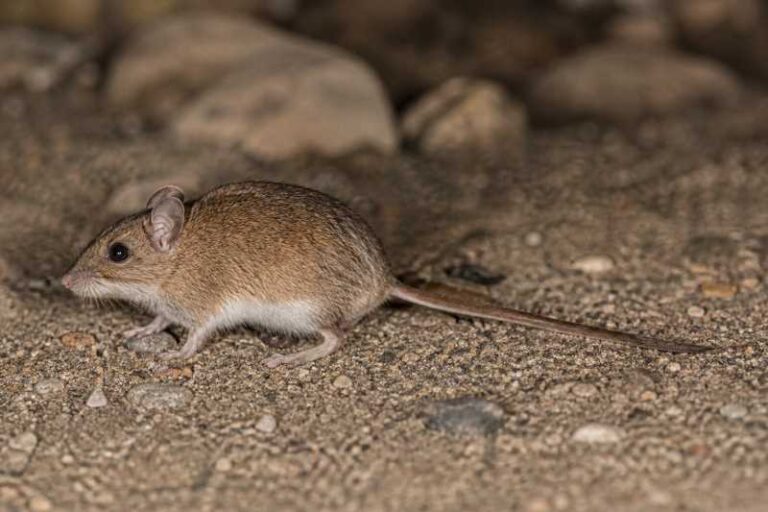
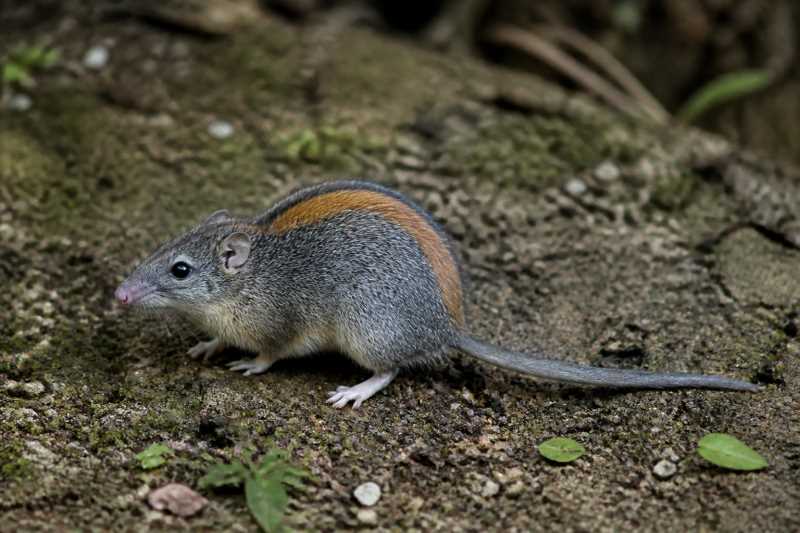
Suntsov’s Marmoset Rat is a small rodent belonging to the family Muridae. It possesses a distinct appearance, characterized by a slender body and elongated limbs that facilitate its arboreal lifestyle. Its fur is typically a combination of grey and brown, providing effective camouflage in its natural habitat. The tail is relatively long and prehensile, aiding in balance and maneuverability in the trees. Adult individuals typically weigh between 60 to 100 grams and measure approximately 20 to 25 centimeters in length, including the tail.
Range and Habitat
The range of Suntsov’s Marmoset Rat is primarily concentrated in Southeast Asia, particularly in the dense tropical forests of Cambodia, Laos, and Vietnam. These areas provide the ideal habitat for the species, with a rich canopy that offers abundant food sources and protection from predators. The species thrives in humid environments, often found at altitudes ranging from 500 to 1,500 meters above sea level. The ecological balance of these forests is crucial to the survival of Suntsov’s Marmoset Rat, as they depend on the availability of fruit-bearing trees and other vegetation.
Behavior and Diet
Suntsov’s Marmoset Rat is primarily nocturnal, exhibiting peak activity during the night. This behavior reduces competition for food and minimizes exposure to diurnal predators. The species is known for its arboreal nature, spending most of its time in the trees where it forages for food. Its diet primarily consists of fruits, seeds, and occasionally insects, which provide necessary nutrients for its energy-intensive lifestyle. Social interactions among individuals are not well-documented, but it is believed that they communicate through vocalizations and scent markings.
Identification Tips
Field recognition of Suntsov’s Marmoset Rat can be challenging due to its elusive nature and resemblance to other small rodents. However, several key features can aid in identification:
- Tail: Its long, prehensile tail is a distinguishing feature, often exceeding the length of its body.
- Fur Coloration: The combination of grey and brown fur allows it to blend seamlessly with the forest canopy.
- Nocturnal Activity: Observing the animal during nighttime hours increases the likelihood of sighting.
- Arboreal Habitat: Look for them in the mid to upper canopy of dense tropical forests.
Conservation Status
The conservation status of Suntsov’s Marmoset Rat is currently listed as "Data Deficient" by the International Union for Conservation of Nature (IUCN). This classification highlights the need for more comprehensive studies to assess population size and threats. Potential threats include deforestation, habitat fragmentation, and climate change, all of which can have profound impacts on their natural habitat. Conservation efforts are essential to mitigate these threats, with a focus on habitat preservation and sustainable land-use practices.
Threats and Protections
- Deforestation: The primary threat stems from logging and agricultural expansion, which reduce available habitat.
- Fragmentation: Habitat fragmentation isolates populations, hindering genetic exchange and increasing vulnerability.
- Climate Change: Altered weather patterns can disrupt food availability and habitat conditions.
- Protections: Establishing protected areas and promoting reforestation are vital measures to ensure the species’ survival.
Frequently Asked Questions
What is the typical habitat of Suntsov’s Marmoset Rat?
Suntsov’s Marmoset Rat typically inhabits dense tropical forests in Southeast Asia, thriving in humid environments at altitudes between 500 and 1,500 meters.
How can Suntsov’s Marmoset Rat be identified in the wild?
Identification is aided by its long prehensile tail, grey and brown fur, and nocturnal activity. Observations are best made in the forest canopy during nighttime.
What are the main threats to the survival of Suntsov’s Marmoset Rat?
The primary threats include deforestation, habitat fragmentation, and climate change, which all contribute to the degradation of its natural habitat.
Is Suntsov’s Marmoset Rat a social animal?
While detailed social behaviors are not well-documented, it is believed that Suntsov’s Marmoset Rat may engage in vocalizations and scent marking for communication.
What measures are being taken to protect Suntsov’s Marmoset Rat?
Conservation efforts focus on establishing protected areas and promoting sustainable land-use practices to preserve the species’ natural habitat.
Related posts