Introduction
The Labo Shrew Rat, scientifically known as Rhynchomys labo, is a fascinating rodent species that has recently captured the attention of researchers and wildlife enthusiasts alike. Native to the Philippines, this species is part of the Muridae family, which includes a variety of rodents found across the globe. The Labo Shrew Rat is notable for its distinct physical characteristics and unique ecological role in its natural habitat. Understanding this species not only contributes to biodiversity knowledge but also aids in conservation efforts crucial for maintaining ecological balance.
Physical Description
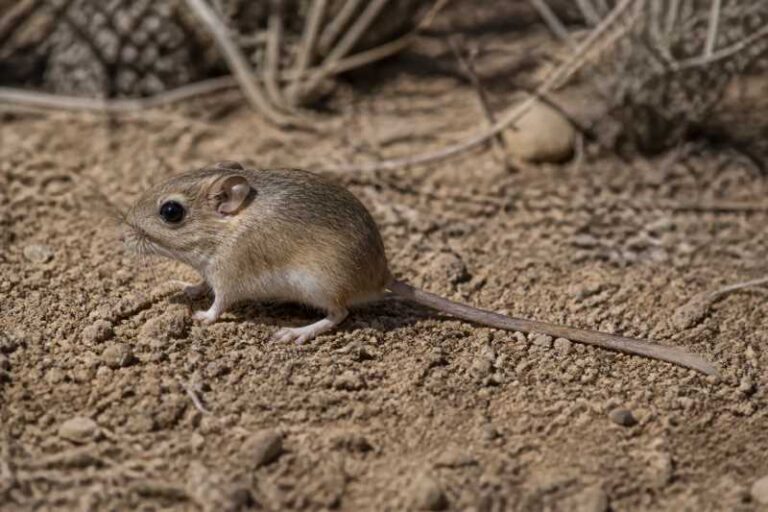
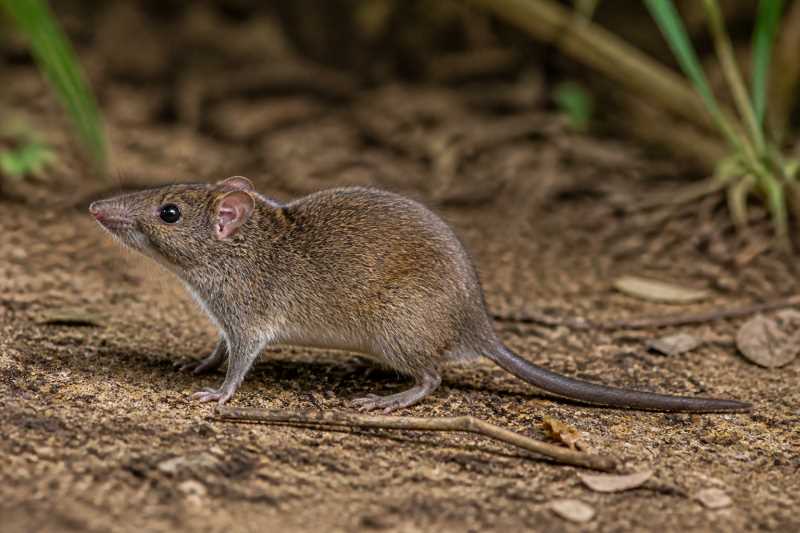
The Labo Shrew Rat is distinguished by its elongated snout and slender body, which are adaptations for its specialized feeding habits. Typically, this species measures approximately 18-20 centimeters in body length, with a tail that is slightly shorter than its body, averaging around 15 centimeters. The fur of the Labo Shrew Rat is generally a muted grayish-brown color, which provides effective camouflage in its forest floor habitat.
One of the most striking features of the Labo Shrew Rat is its snout, which is long and flexible, much like that of a shrew. This adaptation is crucial for its diet, which primarily consists of earthworms and other small invertebrates. The species also has relatively large eyes and ears, which are indicative of its nocturnal lifestyle, helping it navigate and forage in the dim light of its forest environment.
Range and Habitat
The Labo Shrew Rat is endemic to the Philippines, specifically the island of Luzon. Its range is primarily concentrated in the northern and central parts of the island, particularly in montane and mossy forests. These forests are characterized by high humidity and a rich undergrowth of mosses and ferns, providing an ideal environment for the Labo Shrew Rat to thrive.
The species is typically found at elevations ranging from 1,000 to 2,500 meters, where the cooler temperatures and abundant leaf litter offer ample foraging opportunities. The habitat of the Labo Shrew Rat is vital not only for its survival but also for the myriad of other species that share its ecosystem.
Behavior and Diet
The Labo Shrew Rat is primarily nocturnal, spending most of its active hours at night when it forages for food. Its diet mainly consists of earthworms, which it locates using its acute sense of smell and elongated snout. The rat uses its forepaws to dig through the leaf litter and soil, efficiently extracting its prey.
In addition to earthworms, the Labo Shrew Rat may consume other small invertebrates, such as insects and larvae, though these are considered secondary dietary components. The species exhibits solitary behavior, with individuals maintaining distinct territories that they mark and defend against intruders.
Reproductive behaviors of the Labo Shrew Rat are not extensively documented, but like many rodents, it is assumed to have a breeding season aligned with environmental conditions that ensure food availability for the raising of young.
Identification Tips (Field Recognition Cues)
Identifying the Labo Shrew Rat in the field requires attention to several key features:
- Snout: The most distinguishing feature is its long, flexible snout, which is reminiscent of a shrew’s.
- Size and Shape: Look for a small to medium-sized rodent with a slender body and a tail slightly shorter than its body length.
- Fur Coloration: Note the grayish-brown fur, which serves as excellent camouflage among the forest floor’s leaf litter.
- Behavior: Observe nocturnal activity, often characterized by solitary foraging behavior.
- Habitat: Confirm sightings in montane and mossy forests at elevations of 1,000 to 2,500 meters.
Conservation Status (With Threats and Protections)
The conservation status of the Labo Shrew Rat is currently listed as "Least Concern" by the International Union for Conservation of Nature (IUCN). Despite this classification, the species faces several threats that could impact its population in the future.
Threats:
- Habitat Loss: Deforestation due to logging and agricultural expansion poses a significant threat to the Labo Shrew Rat’s habitat.
- Climate Change: Alterations in climate patterns can affect the montane and mossy forest ecosystems, potentially disrupting food availability and habitat conditions.
- Predation and Competition: Introduced predators and competition with other invasive species could also affect their population dynamics.
Protections:
Currently, several conservation measures are in place to protect the Labo Shrew Rat and its habitat. These include:
- Protected Areas: Many of the forests where the Labo Shrew Rat resides are designated as protected areas, which help mitigate the impact of human activities.
- Research and Monitoring: Ongoing research efforts are crucial for monitoring population trends and understanding ecological requirements.
- Community Engagement: Involving local communities in conservation efforts helps promote sustainable land use practices.
Frequently Asked Questions
1. What does the Labo Shrew Rat eat?
The Labo Shrew Rat primarily feeds on earthworms, which it locates using its keen sense of smell and dexterous snout. It may also consume other small invertebrates like insects and larvae.
2. Where can the Labo Shrew Rat be found?
This species is found in the montane and mossy forests of Luzon Island in the Philippines, at elevations ranging from 1,000 to 2,500 meters.
3. Is the Labo Shrew Rat endangered?
Currently, the Labo Shrew Rat is classified as "Least Concern" by the IUCN. However, habitat loss and climate change pose future threats to its population.
4. How can I identify a Labo Shrew Rat?
Identification can be made by observing its long snout, grayish-brown fur, nocturnal behavior, and presence in specific forest habitats.
5. Why is the Labo Shrew Rat important to its ecosystem?
The Labo Shrew Rat plays a crucial role in its ecosystem by controlling invertebrate populations and contributing to the nutrient cycle through its foraging activities.
Related posts