Lady Burton’s Rope Squirrel (Funisciurus isabella): A Comprehensive Guide
Introduction
Lady Burton’s Rope Squirrel, scientifically known as Funisciurus isabella, is a fascinating species of small rodent that inhabits parts of Central Africa. Known for their agility and distinctive appearance, these squirrels are an integral part of the ecosystems they inhabit. Despite their importance, relatively little is known about their behavior and ecology compared to more widespread species. This article delves into various aspects of Lady Burton’s Rope Squirrel, including its physical characteristics, habitat, behavior, diet, and conservation status, providing a comprehensive understanding of this unique mammal.
Physical Description
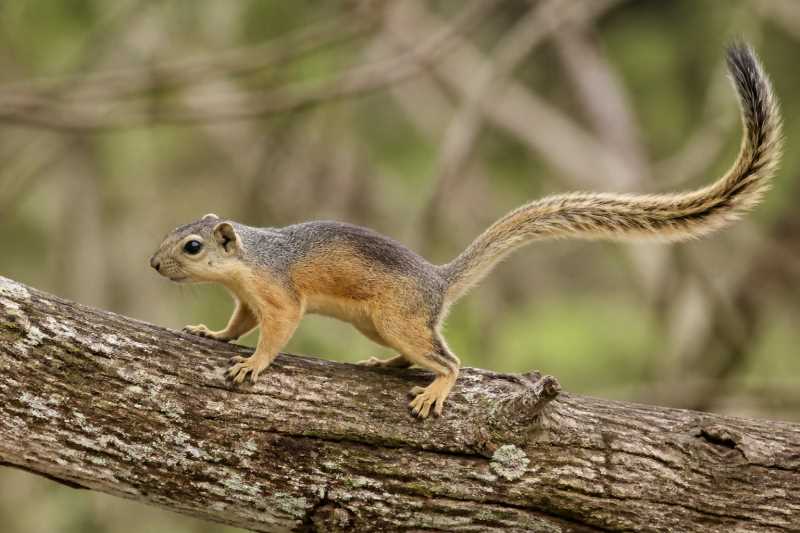
Lady Burton’s Rope Squirrel is a small to medium-sized rodent characterized by its slender body and long tail. On average, adults weigh between 150 to 250 grams and measure approximately 25 to 35 centimeters in total length, with the tail accounting for nearly half of this measurement. The species is noted for its distinctive fur, which is predominantly a soft, grayish-brown color complemented by a pale, whitish underbelly.
One of the most distinctive features of Funisciurus isabella is its rope-like tail, which is bushy and used for balance as it navigates the forest canopy. The fur on the tail may have a slight banding pattern, adding to its unique appearance. Their ears are small and rounded, and their eyes are large, providing them with excellent vision to detect predators.
Range and Habitat
Lady Burton’s Rope Squirrel is endemic to the forested regions of Central Africa, specifically found in countries such as Cameroon, Gabon, and the Republic of Congo. These squirrels prefer dense, tropical rainforests where they can exploit the layered vegetation for food and shelter. They are often observed in the mid to upper canopy levels, where they can move swiftly among the trees.
Their habitat selection is heavily influenced by the availability of food sources and suitable nesting sites. They are particularly fond of areas with abundant fruit-bearing trees and prefer habitats that provide ample cover from predators. The continuous loss of these forested areas due to logging and agricultural expansion poses a significant threat to their populations.
Behavior and Diet
Lady Burton’s Rope Squirrel is diurnal, meaning it is primarily active during the day. These squirrels are solitary creatures, although they may occasionally be seen in pairs or small family groups. They are highly territorial and use vocalizations and scent markings to communicate and establish their territory.
The diet of Funisciurus isabella is omnivorous, consisting mainly of fruits, nuts, seeds, and occasionally insects or small invertebrates. They play a crucial role in seed dispersal, aiding in the regeneration of their forest habitats. Their foraging behavior involves searching for food both in the trees and on the forest floor, where they use their sharp claws and agile movements to access a variety of food sources.
Identification Tips (Field Recognition Cues)
Identifying Lady Burton’s Rope Squirrel in the field can be challenging due to their elusive nature and the dense habitats they occupy. However, several key features can aid in their identification:
- Tail Appearance: Look for the distinctive, bushy, rope-like tail that sets them apart from other squirrels.
- Fur Coloration: Note the grayish-brown fur with a lighter underbelly, which can help differentiate them from similar species.
- Behavior: Observe their agile movements and preference for the mid to upper canopy; they are often seen jumping between branches.
- Vocalizations: Listen for their sharp, high-pitched calls used to communicate and ward off intruders.
Conservation Status (With Threats and Protections)
Currently, Lady Burton’s Rope Squirrel is listed as Least Concern by the International Union for Conservation of Nature (IUCN). However, this status does not mean they are free from threats. The primary concern for this species is habitat loss due to deforestation for timber and agricultural expansion.
Conservation efforts are essential to ensure the survival of these squirrels. Protected areas and national parks in their range provide some level of habitat protection, but more focused conservation strategies are needed. Efforts to curb illegal logging and promote sustainable land use practices are crucial to preserving their natural habitats.
Frequently Asked Questions
What do Lady Burton’s Rope Squirrels eat?
Lady Burton’s Rope Squirrels have an omnivorous diet that includes fruits, nuts, seeds, and occasionally insects. Their varied diet plays a role in forest ecology by aiding in seed dispersal.
Where can you find Lady Burton’s Rope Squirrel?
These squirrels are found in the dense, tropical forests of Central Africa, particularly in countries like Cameroon, Gabon, and the Republic of Congo.
How do Lady Burton’s Rope Squirrels communicate?
They use a range of vocalizations, including sharp, high-pitched calls, to communicate with each other and establish territorial boundaries. Scent markings are also used for communication.
Are Lady Burton’s Rope Squirrels endangered?
While currently listed as Least Concern, Lady Burton’s Rope Squirrels face threats from habitat loss and require ongoing conservation efforts to ensure their long-term survival.
How can you identify Lady Burton’s Rope Squirrel in the wild?
Look for their distinctive bushy, rope-like tail, grayish-brown fur, and listen for their unique vocalizations when trying to identify them in their natural habitat.
Related posts