Introduction
Petter’s Tateril, scientifically known as Taterillus petteri, is a lesser-known species of rodent that belongs to the family Muridae. These small mammals are part of the gerbil subfamily and are primarily found in the arid regions of Africa. Named in honor of the French zoologist François Petter, this species was first described in the late 20th century. Despite its relatively recent classification, Petter’s Tateril has intrigued researchers due to its unique adaptations to desert life. In this article, we will delve into the fascinating world of Petter’s Tateril, exploring its physical characteristics, habitat, behavior, and conservation status.
Physical Description
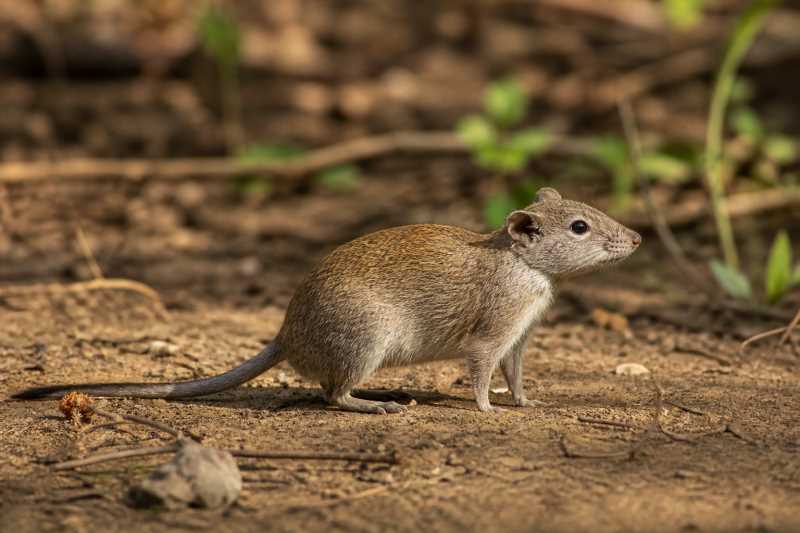
Petter’s Tateril exhibits the typical slender build characteristic of gerbils, with a body length ranging from 10 to 12 centimeters, excluding the tail, which adds an additional 13 to 17 centimeters. This species weighs between 50 and 70 grams, making it a lightweight contender in the rodent world. Its fur is predominantly sandy or light brown, which provides excellent camouflage against the desert sands. A distinct feature of Petter’s Tateril is its white underbelly, which contrasts sharply with its upper parts.
The head of Petter’s Tateril is small and features large, dark eyes adapted for nocturnal vision. Its ears are relatively large and rounded, aiding in the detection of predators. The hind legs of the tateril are elongated, allowing for agile movements and impressive leaps, a vital adaptation for life in open, predator-rich environments. Additionally, the long, tufted tail of Petter’s Tateril is not only used for balance but also serves as a communication tool among its peers.
Range and Habitat
Petter’s Tateril is primarily found in the Sahel region of Africa, which stretches across countries such as Mali, Niger, and Chad. This semi-arid zone acts as a transitional region between the Sahara Desert to the north and the Sudanian Savanna to the south. The species thrives in dry, sandy habitats where vegetation is sparse, and rainfall is minimal.
These rodents are well adapted to desert life, often inhabiting areas with loose, sandy soils where they can construct elaborate burrow systems. These burrows provide protection from extreme temperatures and predators. Petter’s Tateril prefers open areas with scattered shrubs and grasses, which offer both food and cover. Although primarily terrestrial, this species is known to climb low shrubs and bushes in search of food or to escape threats.
Behavior and Diet
Petter’s Tateril is a nocturnal creature, becoming active after dusk when the desert temperatures drop. This nocturnal behavior helps the tateril conserve water and avoid the harsh daytime heat. Their burrowing lifestyle not only provides shelter from predators but also plays a crucial role in thermoregulation and moisture retention.
The diet of Petter’s Tateril is predominantly herbivorous, consisting mainly of seeds, grains, and the leaves and stems of desert plants. The species has evolved to extract maximum moisture from its food, allowing it to survive in areas with limited water availability. Occasionally, it may also consume insects to supplement its diet with protein.
Socially, Petter’s Tateril is known to be a solitary or semi-social species, depending on environmental conditions. During periods of food abundance, these rodents may form small, loosely organized groups. Communication among individuals is facilitated through a combination of vocalizations, scent markings, and tail displays.
Identification Tips
Recognizing Petter’s Tateril in the field requires keen observation due to its excellent camouflage. Here are some key identification tips:
- Size and Shape: Look for a small rodent with a body length of 10-12 cm and a long tail. Its slender build and elongated hind legs are characteristic features.
- Coloration: Notice the sandy or light brown fur with a contrasting white underbelly.
- Movement: Observe its agile, hopping movements, which are similar to those of a small kangaroo.
- Habitat: Identify suitable habitats such as sandy, open areas with scattered shrubs.
- Nocturnal Activity: Search for signs of activity at dusk or during the night when these rodents are most active.
Conservation Status
The current conservation status of Petter’s Tateril is not well-documented, primarily due to its elusive nature and the vast, remote habitats it occupies. However, like many desert-dwelling species, Petter’s Tateril faces several potential threats.
Threats
- Habitat Loss: Expansion of agriculture and human settlement in the Sahel region can lead to habitat degradation and fragmentation.
- Climate Change: Changes in rainfall patterns and increased desertification could threaten the delicate balance of their ecosystem.
- Predation: Natural predators such as snakes, birds of prey, and larger mammals pose constant threats to their survival.
Protections
Currently, specific conservation measures targeting Petter’s Tateril are limited. However, the preservation of its natural habitat through sustainable land-use practices and conservation initiatives aimed at maintaining the biodiversity of the Sahel region indirectly benefit this species.
Frequently Asked Questions
1. What adaptations allow Petter’s Tateril to survive in desert environments?
Petter’s Tateril has developed several adaptations for desert survival, including nocturnal behavior to avoid daytime heat, efficient water conservation from its diet, and burrowing habits for shelter and temperature regulation.
2. How does Petter’s Tateril communicate with its peers?
Communication among Petter’s Tateril involves a combination of vocalizations, scent markings, and visual displays using their tails. These methods help convey information about territory, mating, and threats.
3. What is the primary diet of Petter’s Tateril?
The primary diet of Petter’s Tateril consists of seeds, grains, and the foliage of desert plants. Occasionally, they may consume insects to supplement their nutritional needs.
4. Where can Petter’s Tateril be found in the wild?
Petter’s Tateril is predominantly found in the Sahel region of Africa, particularly in countries like Mali, Niger, and Chad, where it inhabits semi-arid and arid environments.
5. Are there any conservation efforts in place for Petter’s Tateril?
While specific conservation efforts targeting Petter’s Tateril are limited, broader initiatives focused on habitat preservation and sustainable land use in the Sahel region contribute to the conservation of this species.
Related posts