Introduction
The Congo Rope Squirrel, scientifically known as Funisciurus congicus, is a captivating species of rodent belonging to the family Sciuridae. Endemic to the lush and diverse ecosystems of Central Africa, this squirrel is a remarkable example of the rich biodiversity found within the Congo Basin. As a member of the rope squirrel genus, the Congo Rope Squirrel demonstrates unique behaviors and adaptations that enable it to thrive in its specific habitat. This article delves into the physical characteristics, habitat preferences, behaviors, and conservation status of this intriguing species, providing a comprehensive overview for wildlife enthusiasts and researchers alike.
Physical Description
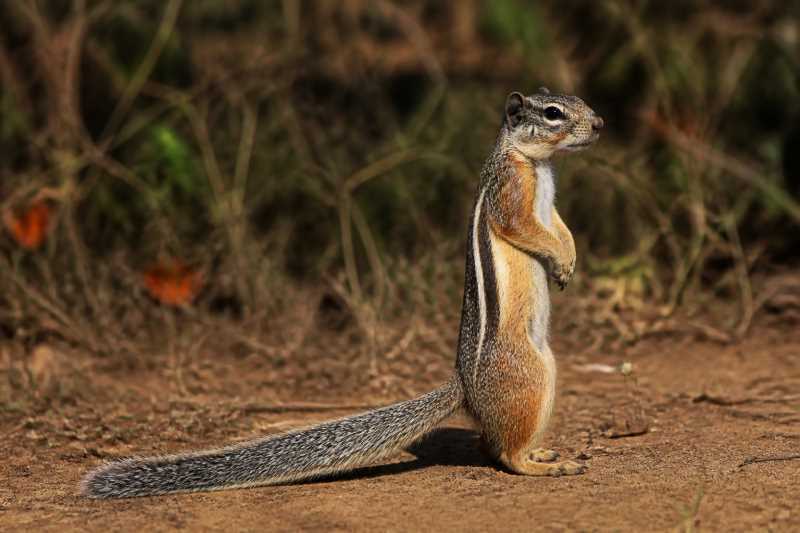
The Congo Rope Squirrel is a medium-sized rodent, characterized by its agile physique and distinctive coloration. Adults typically measure between 20 to 25 centimeters in body length, with a bushy tail adding an additional 15 to 20 centimeters. This tail is not only a key feature for balance but also aids in communication and thermoregulation.
The fur of the Congo Rope Squirrel is a striking blend of colors, often displaying a reddish-brown dorsal side with a lighter, creamy underbelly. This dichromatic pattern serves as camouflage among the forest canopy, protecting the squirrel from predators. The fur texture is smooth and sleek, allowing for easy navigation through dense foliage.
Its limbs are strong and equipped with sharp claws, essential for climbing and grasping branches. The Congo Rope Squirrel’s keen eyesight and acute sense of hearing further enhance its ability to detect predators and locate food sources.
Range and Habitat
The geographical range of the Congo Rope Squirrel is predominantly concentrated in the Central African region, with a significant population found within the tropical rainforests of the Congo Basin. This area spans several countries, including the Democratic Republic of the Congo, Republic of the Congo, Gabon, and parts of Cameroon.
These squirrels prefer dense, humid forest environments, where they inhabit both primary and secondary forests. They are arboreal by nature, spending most of their lives in the treetops where they can find ample food and shelter. The Congo Rope Squirrel is highly adaptable and can also be found in forested areas near rivers and swamps, where the vegetation is lush and diverse.
Behavior and Diet
Congo Rope Squirrels are diurnal creatures, meaning they are most active during the day. Their daily activities include foraging for food, socializing, and maintaining their nests. These squirrels are known for their agility and speed, often seen leaping from branch to branch with remarkable precision.
Their diet is primarily herbivorous, consisting of fruits, nuts, seeds, and occasional insects. The consumption of fruits and seeds plays a vital role in seed dispersal, contributing to the health and regeneration of their forest habitat. In times of food scarcity, they may resort to consuming bark or leaves.
Socially, Congo Rope Squirrels exhibit a range of vocalizations and body language to communicate with other members of their species. These signals are used to establish territory, attract mates, and warn of potential threats.
Identification Tips
Recognizing the Congo Rope Squirrel in the field requires attention to several key characteristics:
- Coloration: Look for the reddish-brown fur on the back and lighter underbelly, which provides effective camouflage in the forest canopy.
- Size: Note the medium size of the squirrel, with a body length of 20 to 25 centimeters and a bushy tail roughly equal in length.
- Behavior: Observe their diurnal activity patterns and arboreal lifestyle, often seen moving swiftly among tree branches.
- Vocalizations: Listen for their distinct calls, which can help in pinpointing their location.
Conservation Status
The Congo Rope Squirrel is currently classified as Least Concern by the International Union for Conservation of Nature (IUCN). Despite being relatively widespread within its range, the species faces several threats that could impact its population in the future.
Threats
- Habitat Loss: Deforestation due to logging, agriculture, and infrastructure development poses a significant threat to their natural habitat.
- Hunting: Although not a primary target, these squirrels are sometimes hunted for bushmeat.
- Climate Change: Alterations in climate patterns can affect food availability and habitat conditions.
Protections
Conservation efforts within the Congo Basin, including the establishment of protected areas and national parks, provide some degree of security for the Congo Rope Squirrel. Continued research and monitoring are essential to ensure their long-term survival.
Frequently Asked Questions
What is the primary habitat of the Congo Rope Squirrel?
The Congo Rope Squirrel primarily inhabits the tropical rainforests of the Congo Basin, preferring dense, humid environments where it can easily find food and shelter among the trees.
How does the Congo Rope Squirrel contribute to its ecosystem?
As a seed disperser, the Congo Rope Squirrel plays a crucial role in maintaining forest regeneration and biodiversity, aiding in the propagation of various plant species.
What are the main threats to the Congo Rope Squirrel?
The main threats include habitat loss due to deforestation, hunting for bushmeat, and the impacts of climate change on their environment.
How can one identify a Congo Rope Squirrel in the wild?
Look for medium-sized squirrels with reddish-brown fur, lighter underbellies, and bushy tails. They are active during the day and are commonly seen in the treetops of dense forests.
Are Congo Rope Squirrels social animals?
Yes, they exhibit a range of social behaviors, including vocal communication and body language, to interact with each other and establish territories.
Related posts