Introduction
The Gambian Sun Squirrel, scientifically known as Heliosciurus gambianus, is a fascinating rodent species that inhabits the diverse landscapes of Sub-Saharan Africa. These small, agile creatures are a part of the Sciuridae family, which includes other squirrels, chipmunks, and marmots. This article delves into the intriguing characteristics of the Gambian Sun Squirrel, exploring everything from their physical traits to their behavior, habitat, and conservation status.
Physical Description
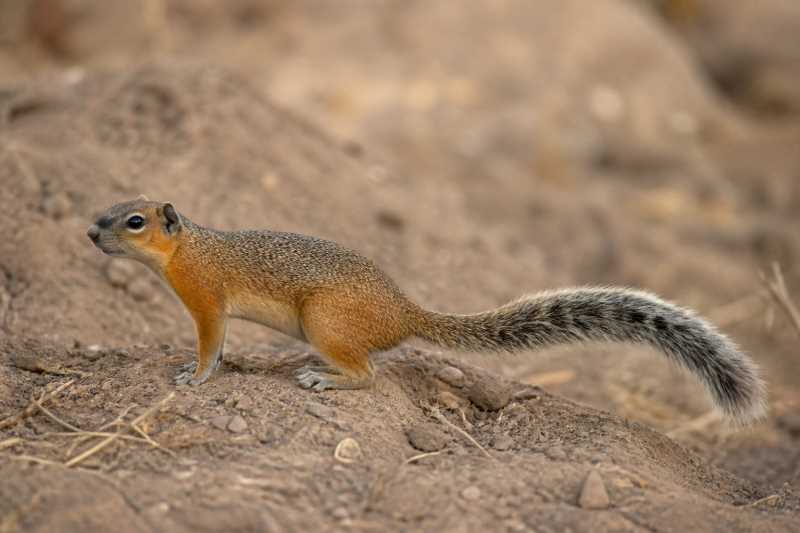
The Gambian Sun Squirrel is a medium-sized squirrel, typically measuring between 20 to 30 centimeters in length, excluding the tail, which can add another 20 to 25 centimeters. They weigh approximately 350 to 450 grams. Their fur is generally a mottled gray-brown, blending seamlessly with the tree bark and forest floor, providing excellent camouflage against predators.
A defining feature of the Gambian Sun Squirrel is its bushy tail, which not only aids in balancing while navigating the treetops but also serves as a crucial tool in communication and thermoregulation. The underside of the squirrel is usually lighter, ranging from a soft cream to a pale yellow, which often reflects the sunlight, giving rise to its common name.
Range and Habitat
The natural range of the Gambian Sun Squirrel extends across West Africa, from Senegal and Gambia in the west to Uganda in the east. They primarily inhabit regions characterized by tropical and subtropical climates, including savannas, woodlands, and forest edges.
These squirrels are arboreal, meaning they spend a significant amount of their life in the trees. They prefer habitats with dense foliage, which provides ample cover from predators and an abundance of food resources. As adaptable creatures, Gambian Sun Squirrels can also be found in human-altered landscapes, such as plantations and rural gardens, where trees and shrubs are abundant.
Behavior and Diet
Gambian Sun Squirrels are diurnal, meaning they are active during the day, with peak activity occurring in the early morning and late afternoon. They are known for their agility and speed, often seen darting through trees with remarkable precision.
Their diet is omnivorous, consisting mainly of fruits, nuts, seeds, and insects. They play a crucial role in their ecosystem as seed dispersers, aiding in forest regeneration. Occasionally, they may also consume small vertebrates or bird eggs.
Socially, these squirrels are relatively solitary, although they may be seen in small groups, particularly during the breeding season. Communication is primarily through vocalizations and tail movements, used to warn others of potential threats.
Identification Tips
Identifying a Gambian Sun Squirrel in the field requires attention to several key traits:
- Size and Shape: Medium-sized with a slender body and a long, bushy tail.
- Coloration: Mottled gray-brown fur with a lighter underbelly. The tail has a distinct, bushy appearance.
- Behavior: Look for their quick, agile movements in the trees during daylight hours.
- Habitat: Found in forested areas, often near fruiting trees or shrubs.
Conservation Status
The IUCN Red List currently classifies the Gambian Sun Squirrel as a species of Least Concern, primarily due to its wide distribution and presumed large population. However, they face several threats, including habitat loss due to deforestation and agricultural expansion.
Conservation efforts focus on habitat preservation and sustainable land-use practices. Protecting forested areas and encouraging agroforestry can help maintain squirrel populations. Additionally, local education programs aimed at reducing hunting and trapping can support conservation efforts.
Frequently Asked Questions
What do Gambian Sun Squirrels eat?
Gambian Sun Squirrels have an omnivorous diet, primarily consuming fruits, nuts, seeds, and insects. Occasionally, they may eat small vertebrates or bird eggs.
Where can I find Gambian Sun Squirrels?
They are found across West Africa, from Senegal to Uganda, inhabiting tropical and subtropical forests, savannas, and woodlands.
Are Gambian Sun Squirrels endangered?
No, they are currently classified as Least Concern by the IUCN Red List, although they face threats from habitat loss and hunting.
How do Gambian Sun Squirrels communicate?
Communication occurs through vocalizations and tail movements, primarily used to warn others of potential predators.
What role do Gambian Sun Squirrels play in the ecosystem?
They are essential seed dispersers, contributing to forest regeneration and maintaining ecological balance.
Related posts