Introduction
The Kinabalu Rat, scientifically known as Rattus baluensis, is a lesser-known but fascinating rodent species native to the island of Borneo. This intriguing mammal is endemic to the high-altitude regions of Mount Kinabalu in Malaysia, making it a unique subject for scientific study and wildlife enthusiasts alike. Despite its relative obscurity, the Kinabalu Rat plays a crucial role in the ecosystem, contributing to the biodiversity of its highland habitat. In this article, we delve into the various aspects of the Kinabalu Rat, from its physical characteristics to its conservation status, providing a comprehensive overview of this remarkable species.
Physical Description
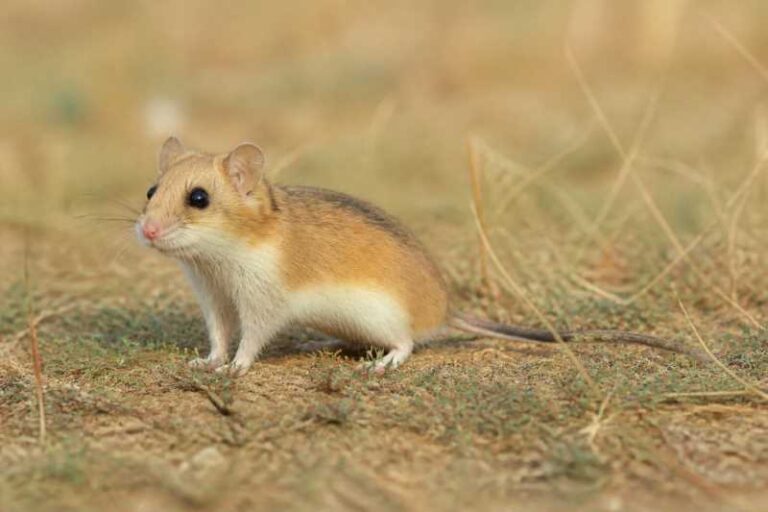
The Kinabalu Rat is a medium-sized rodent with a body length ranging from 17 to 23 centimeters, excluding its tail, which can add an additional 13 to 20 centimeters. It has a robust build typical of the genus Rattus, with a pointed snout and large, rounded ears. The fur of Rattus baluensis is generally dark brown or gray on the dorsal side, providing camouflage against the forest floor, while the ventral side is lighter, ranging from grayish white to pale brown. The tail is slightly shorter than the body and is covered with fine scales and sparse hair.
One of the distinguishing features of the Kinabalu Rat is its well-developed hind limbs, which are slightly longer than the forelimbs. This adaptation is likely beneficial for navigating the rugged, mountainous terrain of its natural habitat. Its sharp claws and padded feet provide excellent grip, facilitating climbing and burrowing activities.
Range and Habitat
The Kinabalu Rat is exclusively found on Mount Kinabalu, the highest peak in Southeast Asia, located in the Malaysian state of Sabah on the island of Borneo. This species inhabits the montane and subalpine zones of the mountain, typically at elevations ranging from 1,500 to 4,000 meters above sea level. The high-altitude environment is characterized by cool temperatures, high humidity, and frequent mists, creating a unique ecosystem with diverse flora and fauna.
The rat prefers dense undergrowth and forested areas, where it can find ample cover and food resources. It is often associated with mossy forests, where the ground is carpeted with thick layers of moss and litter. These habitats provide not only shelter but also a plentiful supply of seeds, fruits, and invertebrates, which form the basis of its diet.
Behavior and Diet
Kinabalu Rats are primarily nocturnal, spending the daylight hours hidden in burrows or under dense vegetation. They are solitary creatures, with each rat occupying a small home range and exhibiting territorial behavior to ward off intruders. Their activity peaks during the night when they forage for food.
The diet of the Kinabalu Rat is omnivorous, consisting of seeds, fruits, insects, and other small invertebrates. This diverse diet helps them to adapt to the seasonal availability of food resources in their high-altitude environment. During periods of food scarcity, they may rely more heavily on plant material, including roots and tubers, which they dig up using their strong forelimbs.
Identification Tips (Field Recognition Cues)
Identifying the Kinabalu Rat in the wild can be challenging due to its elusive nature and the dense habitat it occupies. However, there are several field recognition cues that can aid in its identification:
- Size and Proportions: Look for a medium-sized rodent with a relatively long tail compared to its body length.
- Fur Coloration: Note the dark brown or gray dorsal fur and lighter ventral side.
- Ear and Snout Shape: The Kinabalu Rat has large, rounded ears and a pointed snout, typical of the Rattus genus.
- Habitat Preference: Focus on high-altitude, mossy forest areas on Mount Kinabalu.
- Behavior: Observe nocturnal activity and solitary behavior, often indicated by foraging signs such as disturbed leaf litter or burrow entrances.
Conservation Status (With Threats and Protections)
The conservation status of the Kinabalu Rat is currently classified as Least Concern by the International Union for Conservation of Nature (IUCN). Despite its limited range, it benefits from the protected status of its habitat within Kinabalu Park, a UNESCO World Heritage Site.
However, the Kinabalu Rat faces several threats that could impact its population in the future. Climate change poses a significant risk, as rising temperatures and changing precipitation patterns could alter the delicate balance of the montane ecosystem. Habitat destruction due to tourism and infrastructure development on Mount Kinabalu also presents a potential threat to its survival.
Conservation efforts focus on maintaining the integrity of Kinabalu Park and monitoring the rat populations to ensure their continued health and stability. Research initiatives aim to better understand the species’ ecology and the impacts of environmental changes, guiding future protection strategies.
Frequently Asked Questions
What is the habitat of the Kinabalu Rat?
The Kinabalu Rat is found in the high-altitude montane and subalpine zones of Mount Kinabalu, preferring mossy forests with dense undergrowth.
How can you identify a Kinabalu Rat in the wild?
Identify the Kinabalu Rat by its medium size, dark brown dorsal fur, rounded ears, pointed snout, and preference for high-altitude, mossy habitats.
Are Kinabalu Rats endangered?
No, Kinabalu Rats are currently listed as Least Concern by the IUCN, thanks to their protected habitat within Kinabalu Park.
What do Kinabalu Rats eat?
Kinabalu Rats have an omnivorous diet, consuming seeds, fruits, insects, and small invertebrates, adapting to seasonal food availability.
Why is Mount Kinabalu important for the Kinabalu Rat?
Mount Kinabalu provides a unique high-altitude ecosystem essential for the Kinabalu Rat’s survival, offering both habitat and food resources.
Related posts