Introduction
The Fly River Water Rat, scientifically known as Leptomys signatus, is a fascinating mammal species belonging to the Muridae family. Endemic to New Guinea, this elusive rodent has intrigued researchers and wildlife enthusiasts due to its unique adaptations and ecological niche. This article delves into the various aspects of the Fly River Water Rat, including its physical characteristics, habitat, behavior, conservation status, and more.
Physical Description
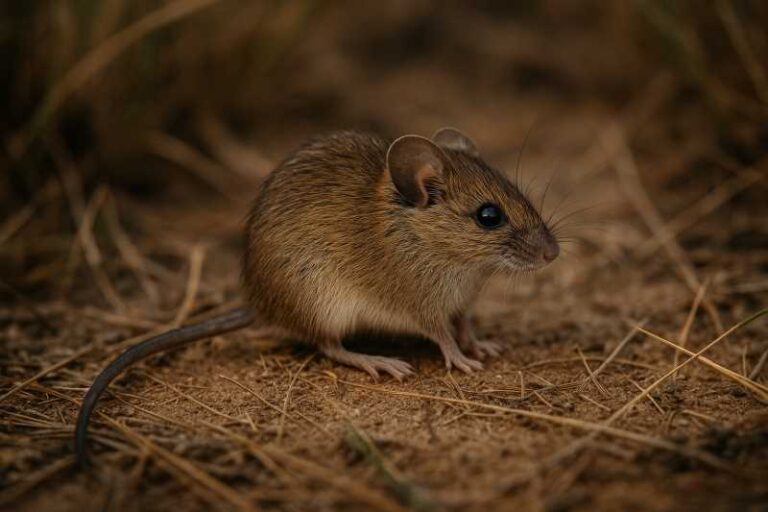
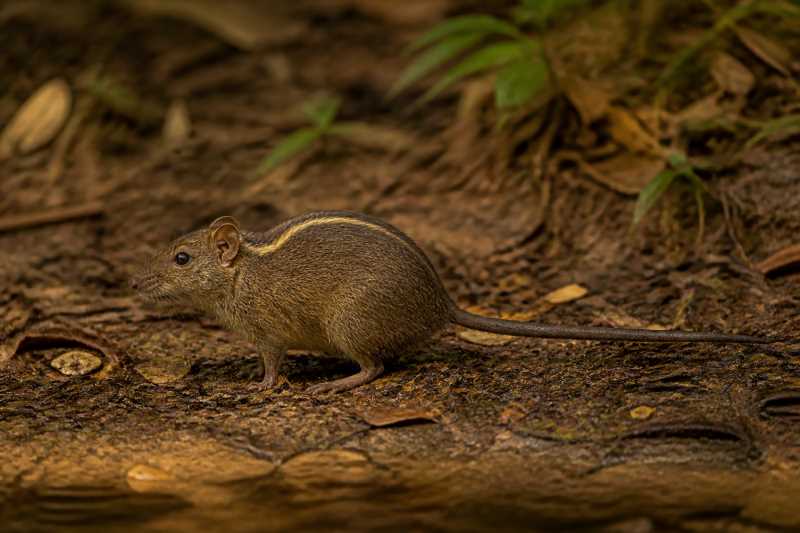
The Fly River Water Rat is a medium-sized rodent characterized by its slender body and elongated limbs. Its fur is generally a mix of greyish-brown on the dorsal side and lighter, almost creamy white on the ventral side. The tail is notably long and sparsely haired, which aids in balancing and maneuvering through its habitat.
One of the distinguishing features of Leptomys signatus is its elongated snout and large, sensitive whiskers, which are essential for foraging in its aquatic environment. The species also possesses relatively large eyes, adapted for its nocturnal lifestyle, providing excellent night vision.
Range and Habitat
Leptomys signatus is primarily found in the lowland rainforests and swampy areas of southern New Guinea, particularly around the Fly River basin. This region is characterized by its tropical climate, with significant rainfall throughout the year, creating a lush, verdant environment that supports a diverse range of flora and fauna.
The Fly River Water Rat is semi-aquatic, thriving in habitats that offer both terrestrial and aquatic resources. It is often found near slow-moving streams, rivers, and marshes where it can forage for food. The dense undergrowth and fallen logs in these areas provide ample cover from predators and harsh weather conditions.
Behavior and Diet
The Fly River Water Rat is primarily nocturnal, emerging from its burrows or nests at dusk to forage for food. Its diet mainly consists of aquatic invertebrates, small fish, and occasionally fruits and seeds. The species exhibits a unique foraging behavior, using its sensitive whiskers and snout to detect prey in murky waters.
Socially, Leptomys signatus tends to be solitary, although instances of small family groups have been observed. Communication among individuals is primarily through vocalizations and scent markings. The species is also known for its agility, being able to swim and climb with equal proficiency.
Identification Tips (Field Recognition Cues)
Identifying the Fly River Water Rat in the wild involves looking for specific physical and behavioral traits:
- Fur Coloration: Look for the distinct greyish-brown and white fur pattern.
- Tail: Notice the long, sparsely haired tail which is a key characteristic.
- Snout and Whiskers: The elongated snout and prominent whiskers are telltale signs.
- Habitat: Focus on swampy, lowland rainforest areas near water bodies.
- Activity: Since they are nocturnal, sightings are more likely at dusk or during the night.
Conservation Status (with Threats and Protections)
Currently, the Fly River Water Rat is classified as Near Threatened by the International Union for Conservation of Nature (IUCN). The primary threat to this species is habitat destruction due to deforestation, agriculture, and mining activities in New Guinea. Additionally, water pollution and climate change pose significant risks to their aquatic habitats.
Conservation efforts are underway to protect the natural habitats of the Fly River Water Rat. These efforts include establishing protected areas and promoting sustainable land-use practices. Engaging local communities in conservation initiatives has also proven effective in mitigating some of the human-induced threats.
Frequently Asked Questions
1. What is the primary habitat of the Fly River Water Rat? The Fly River Water Rat primarily inhabits lowland rainforests and swampy areas in southern New Guinea, especially around the Fly River basin.
2. What does the Fly River Water Rat eat? Its diet consists mainly of aquatic invertebrates, small fish, and occasionally fruits and seeds.
3. How is the Fly River Water Rat adapted to its environment? It has several adaptations, including a long tail for balance, sensitive whiskers for detecting prey, and large eyes for nocturnal vision.
4. Are Fly River Water Rats endangered? They are currently classified as Near Threatened, with primary threats being habitat destruction and pollution.
5. How can one identify a Fly River Water Rat in the wild? Look for its distinctive fur pattern, long tail, elongated snout, and check areas near water bodies during nighttime.
Related posts