Long-tailed Mouse (Pseudomys higginsi): A Comprehensive Guide
Introduction
The Long-tailed Mouse, scientifically known as Pseudomys higginsi, is a fascinating species of rodent native to Australia. Named for its distinctive long tail, which can be as long as or longer than its body, this species plays a crucial role in its ecosystem. As a nocturnal creature, the Long-tailed Mouse is often overlooked, yet it holds significant ecological importance in the habitats it occupies. This article delves into the various aspects of the Long-tailed Mouse, from its physical characteristics to its behavior and conservation status.
Physical Description
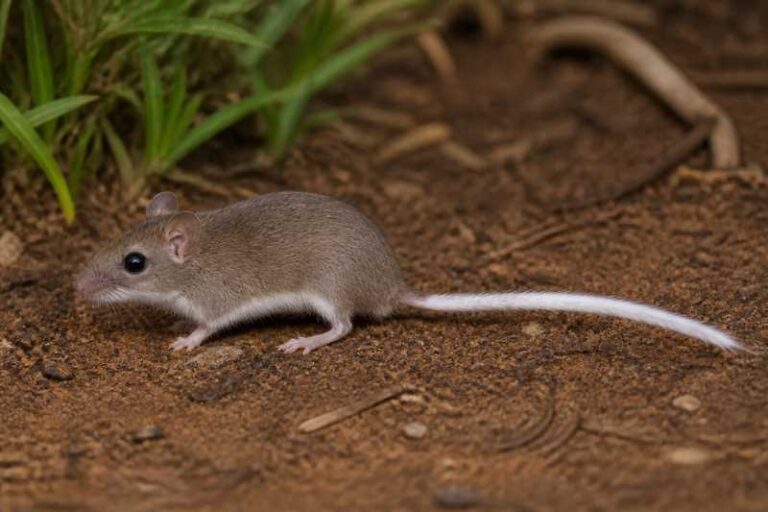
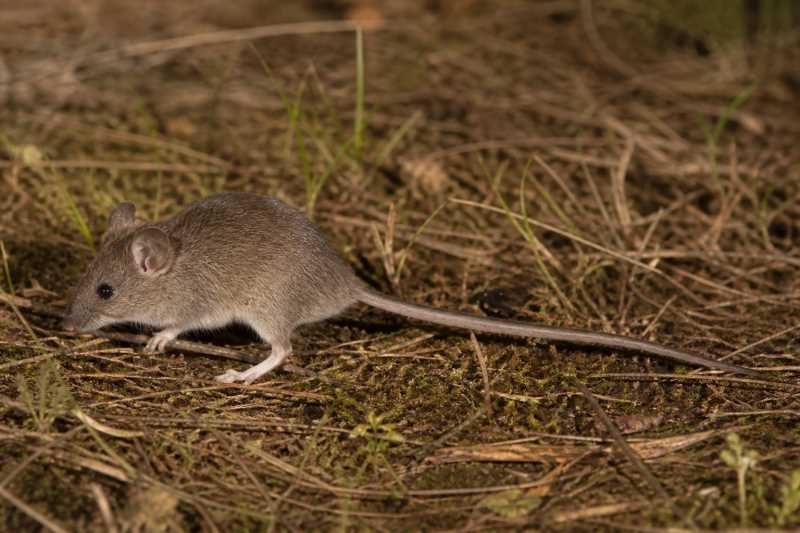
The Long-tailed Mouse is a small rodent, typically measuring between 70 to 90 millimeters in body length, with a tail that often exceeds its body length, measuring up to 100 millimeters or more. This tail is not only long but also slender, providing balance and agility, particularly in its arboreal and terrestrial maneuvers. The mouse’s fur is soft and dense, usually exhibiting a greyish-brown coloration on its dorsal side, which camouflages effectively with its natural habitat. The ventral side of the Long-tailed Mouse is lighter, often creamy or white.
The species is characterized by its large, dark eyes and rounded ears, adaptations that enhance its nocturnal lifestyle. These features help the Long-tailed Mouse detect predators and navigate through the night. Its sharp incisors are well-adapted for gnawing, a behavior common in the rodent family.
Range and Habitat
The Long-tailed Mouse is predominantly found in the temperate regions of Tasmania, an island state of Australia. It occupies a variety of habitats, ranging from wet sclerophyll forests to alpine and subalpine areas. The species thrives in environments that offer dense ground cover, which provides protection from predators and harsh weather conditions.
This rodent is highly adaptable, able to survive in both natural and disturbed areas, as long as there is sufficient cover and food availability. Its range, however, is limited to Tasmania, making its conservation status particularly important given its restricted distribution.
Behavior and Diet
The Long-tailed Mouse is primarily nocturnal, using the cover of darkness to forage for food and avoid predators. During the day, it shelters in burrows or under dense vegetation. This rodent is a solitary creature, although it may occasionally be found in small family groups.
The diet of the Long-tailed Mouse is omnivorous, consisting of seeds, fruits, insects, and occasionally small invertebrates. Its diet varies with seasonal availability, allowing it to maximize resource use throughout the year. This dietary flexibility is a key factor in its survival across different habitats.
Identification Tips (Field Recognition Cues)
Identifying the Long-tailed Mouse in the field can be challenging due to its nocturnal habits and elusive nature. However, several cues can aid in its identification:
- Tail Length: The most distinctive feature is its exceptionally long tail, which is often longer than its body.
- Fur Coloration: Look for the greyish-brown dorsal fur and the lighter, cream-colored ventral side.
- Habitat: Presence in dense vegetative areas within Tasmania is a strong indicator.
- Behavior Patterns: Nocturnal activity and ground-dwelling habits can help differentiate it from similar species.
Conservation Status (with threats and protections)
The Long-tailed Mouse is classified as a species of least concern by the IUCN Red List, but it faces several threats that could impact its population. Habitat destruction due to land clearing for agriculture and urban development poses a significant threat. Additionally, introduced predators such as cats and foxes contribute to its mortality.
Conservation efforts are focused on habitat protection and management to ensure the survival of this species. Protective measures include maintaining native vegetation, controlling invasive species, and monitoring population trends to detect any significant changes.
Frequently Asked Questions
What is the Long-tailed Mouse’s natural habitat?
The Long-tailed Mouse primarily inhabits the temperate regions of Tasmania, thriving in wet sclerophyll forests and alpine areas with dense ground cover.
How does the Long-tailed Mouse adapt to its environment?
The Long-tailed Mouse adapts through its nocturnal behavior, arboreal agility, and omnivorous diet, allowing it to exploit various food resources and avoid predators.
What are the main threats to the Long-tailed Mouse?
The primary threats include habitat destruction due to land development and predation by introduced species like cats and foxes.
Can the Long-tailed Mouse be found outside Tasmania?
No, the Long-tailed Mouse is endemic to Tasmania and is not naturally found outside this region.
How can I identify a Long-tailed Mouse in the field?
Look for its long tail, greyish-brown dorsal fur, and cream-colored underside, typically in dense vegetative areas of Tasmania.
Related posts