Great Sangihe Tarsier (Tarsius sangirensis): A Comprehensive Guide
Introduction
The Great Sangihe Tarsier (Tarsius sangirensis) is a captivating primate species endemic to the Indonesian island of Sangihe. Known for their distinct physical features and unique behavioral patterns, these tiny primates offer a remarkable glimpse into the biodiversity of Southeast Asia. Despite their relatively small size, Great Sangihe Tarsiers play a significant role in their ecosystem as insectivores. This article explores the various aspects of their life, including their physical description, habitat, behavior, and conservation status.
Physical Description
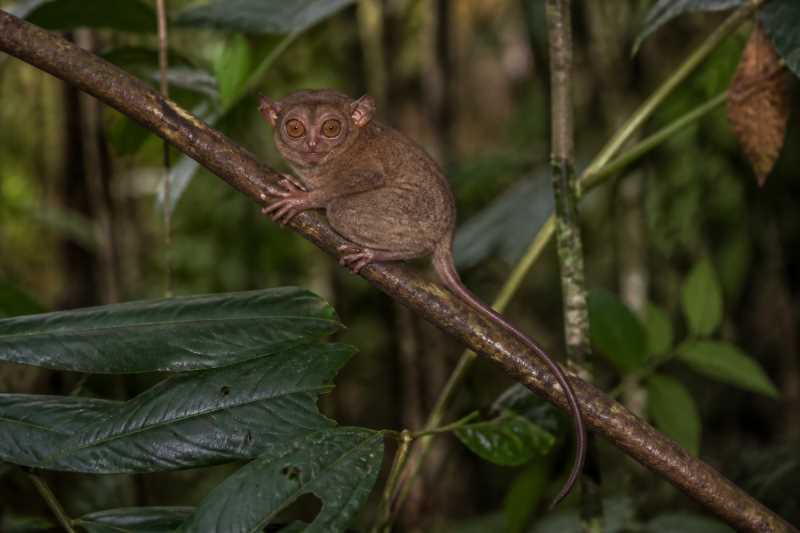
Great Sangihe Tarsiers are small primates, with adults typically weighing between 80 to 160 grams and measuring about 10 to 15 centimeters in body length, excluding their tail. Their tails are notable for being longer than their bodies, measuring up to 25 centimeters, which aids in balance and agility in their arboreal habitat.
These primates possess large, round eyes that dominate their face, an adaptation that enhances their night vision, making them excellent nocturnal hunters. Their fur is typically grayish-brown, providing camouflage against tree bark and foliage. They have elongated fingers and toes with adhesive pads that aid in gripping branches.
Range and Habitat
The Great Sangihe Tarsier is native exclusively to the island of Sangihe in Indonesia. This island is part of the Sangihe Islands, situated north of Sulawesi. The species is known to inhabit primary and secondary forests, as well as forest edges. They prefer dense vegetation where they can hide from predators and effectively hunt for prey.
Due to deforestation and habitat fragmentation, the available natural habitat for these tarsiers has been significantly reduced, posing a threat to their survival.
Behavior and Diet
Great Sangihe Tarsiers are nocturnal and arboreal creatures, spending the night hunting and the day resting in tree hollows or dense foliage. They are known for their remarkable leaping ability, capable of jumping distances up to 40 times their body length. This skill is crucial for catching prey and evading predators.
Their diet primarily consists of insects and small vertebrates. They use their acute night vision and sharp hearing to locate prey, often leaping onto it with precision. Their feeding behavior plays a critical role in controlling insect populations within their habitat.
Identification Tips (Field Recognition Cues)
When trying to identify the Great Sangihe Tarsier in the wild, consider the following tips:
- Time of Activity: Look for these tarsiers during the night, as they are nocturnal.
- Eye Size: Their disproportionately large eyes are a defining feature.
- Tail Length: Their tail is significantly longer than their body, aiding in balance.
- Vocalizations: Listen for their distinct calls, which include high-pitched chirps and whistles.
- Habitat: Focus on areas with dense vegetation and tree coverage within the Sangihe Island.
Conservation Status (With Threats and Protections)
The Great Sangihe Tarsier is currently classified as "Vulnerable" on the IUCN Red List. The primary threats to their survival include habitat destruction due to logging, agricultural expansion, and human encroachment. These activities not only reduce their natural habitat but also fragment the landscapes, making it difficult for populations to interact and breed effectively.
Conservation efforts are underway to protect the remaining habitats of the Great Sangihe Tarsier. These include establishing protected areas and promoting sustainable land-use practices. Additionally, local awareness campaigns aim to highlight the ecological importance of these primates and the need for their conservation.
Frequently Asked Questions
What do Great Sangihe Tarsiers eat?
Great Sangihe Tarsiers primarily feed on insects and small vertebrates. They are skilled nocturnal hunters, using their large eyes and nimble movements to catch prey.
How do Great Sangihe Tarsiers communicate?
These tarsiers communicate through a series of vocalizations, including high-pitched chirps and whistles. These sounds serve various purposes, such as marking territory and locating other tarsiers.
Are Great Sangihe Tarsiers endangered?
The Great Sangihe Tarsier is classified as "Vulnerable" due to habitat loss and fragmentation. Conservation efforts focus on habitat protection and sustainable practices.
Where can Great Sangihe Tarsiers be found?
They are endemic to the Sangihe Island in Indonesia, inhabiting dense forests and forest edges.
What adaptations do Great Sangihe Tarsiers have for nocturnal life?
Their large eyes enhance night vision, and their elongated limbs and fingers aid in navigating the forest canopy. These adaptations make them effective nocturnal predators.
Related posts