Introduction
The California Kangaroo Rat (Dipodomys californicus) is a fascinating rodent species native to the western United States. Known for their distinctive hopping locomotion, these small mammals are a vital part of their ecosystem. This article delves into the unique characteristics, habitats, and behaviors of the California Kangaroo Rat, offering insights into their conservation status and how to identify them in the wild.
Physical Description
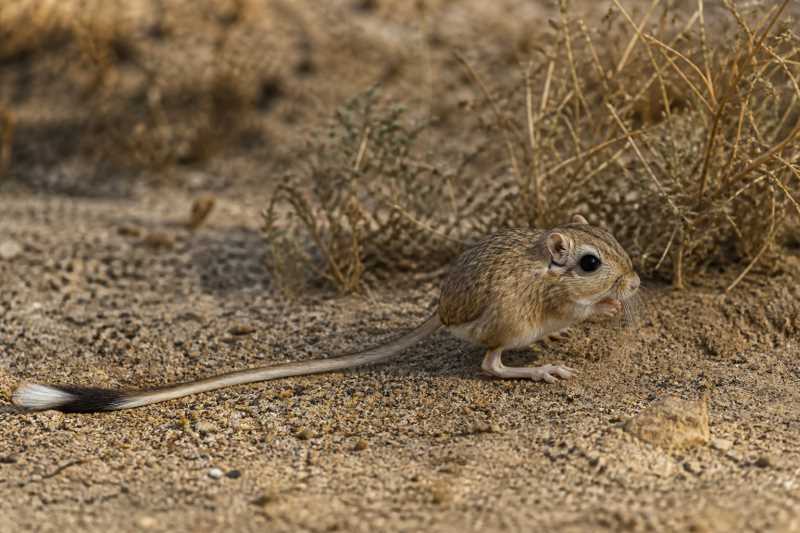
The California Kangaroo Rat is a small, nocturnal rodent characterized by its long hind legs, which enable its signature hopping movement akin to that of a kangaroo. Adult California Kangaroo Rats typically measure between 10 to 14 inches in length, including their long, tufted tails which are used for balance during locomotion. Their bodies are covered in short, soft fur that ranges in color from pale brown to grayish-brown, providing excellent camouflage against the arid landscapes they inhabit. The underside is usually white, and they have large, dark eyes adapted for nocturnal vision.
Their large ears not only enhance their hearing abilities but also help in thermoregulation. Notably, these rodents have cheek pouches that they use to carry food back to their burrows.
Range and Habitat
The California Kangaroo Rat is primarily found in the chaparral, sagebrush, and grassland habitats of California. Their range extends from the coastal ranges to the foothills of the Sierra Nevada. These rodents prefer sandy or loose soils where they can dig extensive burrow systems.
Their habitat selection is closely tied to their dietary needs and predation risks. Areas with sparse vegetation and loose soil provide both food resources and the ability to escape predators by quickly retreating into their burrows.
Behavior and Diet
California Kangaroo Rats are primarily nocturnal, emerging from their burrows at night to forage. Their diet mainly consists of seeds, which they collect and store in their burrows. They have adapted to extract moisture from their food, which is crucial for survival in the arid regions they inhabit.
These rodents are solitary and territorial. They communicate through a series of foot drumming patterns, which can signal alarm, territory claims, or mating readiness. Their burrows serve as protection from predators and harsh weather conditions, with multiple entrances and chambers for storing food and nesting.
Identification Tips
Identifying a California Kangaroo Rat in the field can be a rewarding experience. Here are some tips to help recognize them:
- Movement: Look for their distinctive hopping, a movement facilitated by their long hind legs.
- Tail: Observe their long, tufted tail, which is often held aloft when they hop.
- Habitat: Search in chaparral or grassland areas with sandy soil.
- Activity: Note nocturnal activity patterns; they are most active after sunset.
- Tracks: Look for small tracks and tail drags in sandy soil.
Conservation Status
The California Kangaroo Rat is currently classified as a species of "Least Concern" by the International Union for Conservation of Nature (IUCN). However, like many species, they face threats from habitat destruction due to agricultural expansion, urban development, and climate change, which alter their natural habitat and food availability.
Conservation efforts are focused on habitat preservation and restoration. Protected areas and reserves play a crucial role in safeguarding their populations. Public awareness and support for sustainable land use practices are also vital in ensuring the long-term survival of this species.
Frequently Asked Questions
What does the California Kangaroo Rat eat? California Kangaroo Rats primarily eat seeds, which they collect and store in their burrows. They sometimes supplement their diet with insects and green vegetation.
How can I distinguish a California Kangaroo Rat from other rodents? Key features include their large hind legs for hopping, long tufted tail, and nocturnal habits. Their habitat in sandy chaparral or grassland is also a distinguishing factor.
Are California Kangaroo Rats endangered? Currently, they are listed as "Least Concern," but they face threats from habitat loss and environmental changes. Conservation efforts focus on habitat protection.
Where do California Kangaroo Rats live? They are found in California’s chaparral, sagebrush, and grassland habitats, particularly in areas with loose, sandy soil suitable for burrowing.
Why are they called ‘Kangaroo’ Rats? The name comes from their kangaroo-like hopping movement facilitated by their long hind legs, as well as their large, tufted tails used for balance.
Related posts