Greater Hog Badger (Arctonyx collaris): Nature’s Unique Forager
Introduction
The Greater Hog Badger (Arctonyx collaris) is an intriguing mammal that belongs to the Mustelidae family, which also includes weasels, otters, and ferrets. Known for its distinctive appearance and behaviors, the Greater Hog Badger inhabits various regions across Asia. Despite its fascinating traits, this species remains under-studied and often overshadowed by more popular mammals. This article delves into the life of the Greater Hog Badger, covering its physical attributes, habitat, behavior, and conservation needs.
Physical Description
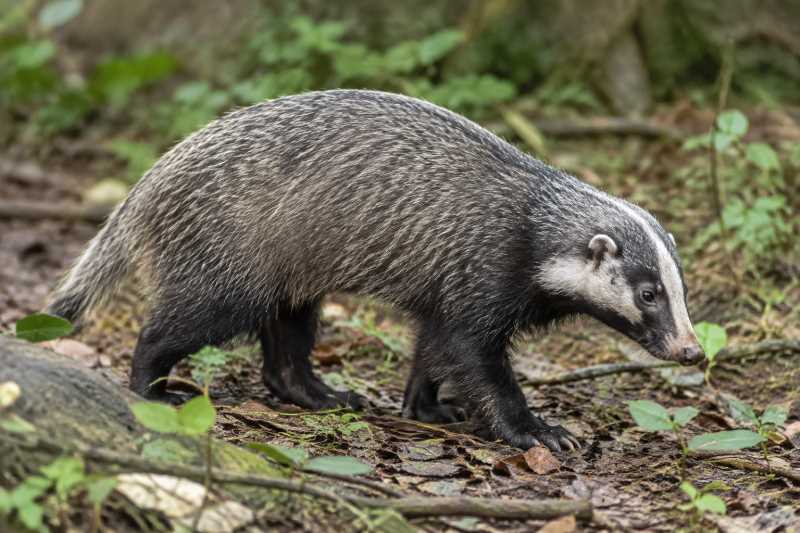
The Greater Hog Badger is characterized by its robust physique and distinctive features. Typically, adults measure between 55 to 70 cm in body length, excluding the tail which adds another 12 to 17 cm. They weigh approximately 7 to 14 kg, with males generally larger than females.
The most striking feature of the Greater Hog Badger is its elongated snout, reminiscent of a hog’s, which is adapted for rooting through soil. Its body is covered in coarse fur, predominantly greyish to brown, with a lighter underbelly. The face bears a unique pattern of black and white markings that aid in identification. Small, rounded ears and short, powerful limbs with long claws make them adept diggers.
Range and Habitat
The Greater Hog Badger has a broad distribution across Southeast Asia. Its range extends from northeastern India through Myanmar, Thailand, Cambodia, Laos, Vietnam, and into southern China. The species is notably adaptable, thriving in diverse habitats ranging from tropical and subtropical forests to grasslands and agricultural landscapes.
Typically, these badgers prefer habitats with abundant cover, such as dense underbrush or forested areas, which provide protection from predators and human disturbance. Their adaptability to different environments is a testament to their resilience, although they still face threats from habitat destruction.
Behavior and Diet
Greater Hog Badgers are primarily nocturnal, emerging from their burrows at dusk to forage. They are solitary creatures, except during the mating season or when females are rearing young.
Their diet is omnivorous, with a preference for earthworms, insects, and small vertebrates. They use their powerful snouts and claws to dig for food, particularly favoring areas rich in soil invertebrates. Additionally, they consume fruits, roots, and tubers, showcasing their adaptability to available resources.
Identification Tips (Field Recognition Cues)
Recognizing a Greater Hog Badger in the wild can be challenging due to their elusive nature. However, certain cues can aid in identification:
- Distinctive Snout: The elongated, pig-like snout is a key feature.
- Facial Markings: Black and white patterns on the face are unique identifiers.
- Body Size and Shape: Stocky build with relatively short limbs.
- Behavior: Look for signs of rooting or digging, especially in soft soil areas.
- Tracks: Their footprints show long claws and a broad pad.
Conservation Status
The Greater Hog Badger is currently classified as Near Threatened by the IUCN Red List. Key threats include habitat loss due to deforestation, agricultural expansion, and urban development. Additionally, they are hunted for bushmeat and traditional medicine in some regions.
Conservation efforts are underway to mitigate these threats. Protected areas have been established in parts of their range, and there is increased awareness of their ecological importance. However, more research and conservation initiatives are needed to ensure their survival.
Frequently Asked Questions
What is the primary diet of the Greater Hog Badger?
The Greater Hog Badger primarily feeds on earthworms, insects, and small vertebrates. They also consume fruits, roots, and tubers.
Where can the Greater Hog Badger be found?
This species is found across Southeast Asia, including countries like India, Myanmar, Thailand, Cambodia, Laos, Vietnam, and southern China.
How can you identify a Greater Hog Badger in the wild?
Key identification features include their elongated snout, distinct facial markings, and a stocky body. Observing their rooting behavior can also be an indicator.
Why is the Greater Hog Badger considered Near Threatened?
The species faces threats from habitat destruction, hunting, and the illegal wildlife trade, contributing to its Near Threatened status.
How can conservation efforts help the Greater Hog Badger?
Conservation efforts can help by protecting habitats, enforcing anti-poaching laws, and raising awareness about the species’ ecological role.
Related posts