Introduction
The Dolores grass mouse, scientifically known as Akodon dolores, is a small rodent species that inhabits various regions of South America. As a member of the Cricetidae family, this species is part of a diverse group of mammals known for their adaptability and wide distribution. While not as well-known as some of its rodent relatives, the Dolores grass mouse plays a significant role in its ecosystem. This article delves into the various aspects of the Dolores grass mouse, including its physical characteristics, habitat, behavior, and the conservation challenges it faces.
Physical Description
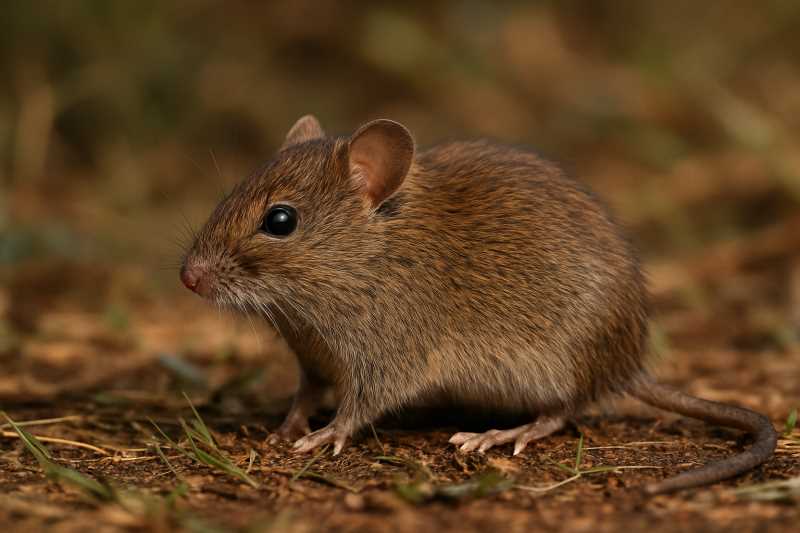
The Dolores grass mouse is a small, agile rodent with a body length ranging from 7 to 10 centimeters, excluding its tail, which adds another 6 to 9 centimeters. The average weight of an adult ranges between 15 to 30 grams. Its fur is predominantly a muted gray-brown color, providing excellent camouflage against its natural surroundings. The underside is typically lighter, often displaying a white or pale gray hue.
The head of the Dolores grass mouse is characterized by a slightly pointed snout and relatively large, rounded ears that aid in its acute sense of hearing. Its eyes are small but adapted for nocturnal activity, providing good night vision. The whiskers are long and sensitive, aiding in navigation and foraging during the night.
Range and Habitat
The Dolores grass mouse is native to South America, with its range primarily spanning across Argentina, Bolivia, and Paraguay. Within these countries, it inhabits a variety of ecosystems, from grasslands and shrublands to forest edges and agricultural fields. The species shows a remarkable ability to adapt to different environmental conditions, although it prefers areas with dense ground cover.
These mice are typically found at altitudes ranging from sea level to about 2,500 meters. Their presence in diverse habitats highlights their ecological versatility, allowing them to thrive in both natural and modified landscapes.
Behavior and Diet
As a nocturnal creature, the Dolores grass mouse is most active during the night. This behavior helps it avoid many predators and the harsh daytime temperatures commonly found within its range. The species is known for its solitary nature, although individuals may occasionally be seen foraging in groups in areas with abundant food resources.
The diet of the Dolores grass mouse is omnivorous, consisting mainly of seeds, fruits, insects, and small invertebrates. This varied diet allows the species to exploit different food sources depending on availability, which is particularly beneficial in fluctuating environmental conditions.
Identification Tips (Field Recognition Cues)
Identifying the Dolores grass mouse in the wild can be challenging due to its small size and nocturnal habits. However, several field recognition cues can assist in its identification:
- Size and Shape: Look for a small rodent with a total length (including tail) of 13 to 19 centimeters.
- Fur Coloration: Note the gray-brown upper body and lighter underbelly.
- Tail Characteristics: The tail is hairy and slightly shorter than the body, with a similar coloration pattern.
- Behavior: Observing nocturnal activity patterns and solitary foraging.
- Habitat: Check areas with dense vegetation or ground cover within its known range.
Conservation Status (with Threats and Protections)
The International Union for Conservation of Nature (IUCN) currently classifies the Dolores grass mouse as a species of Least Concern. This designation indicates that the species is not at immediate risk of extinction. However, it does face several threats that could impact its populations in the future.
Primary threats include habitat loss due to agricultural expansion, deforestation, and urban development. In some areas, the use of pesticides poses an additional risk by contaminating food sources and habitats.
Conservation measures for the Dolores grass mouse involve habitat protection and management. Efforts to preserve natural habitats and promote sustainable land-use practices are crucial for maintaining stable populations. Additionally, raising awareness about the ecological importance of this species can contribute to its long-term conservation.
Frequently Asked Questions
What is the lifespan of a Dolores grass mouse?
The average lifespan of a Dolores grass mouse in the wild is typically around 1 to 2 years. This relatively short lifespan is common among small rodent species and is influenced by factors such as predation and environmental conditions.
How does the Dolores grass mouse contribute to its ecosystem?
As an omnivorous species, the Dolores grass mouse plays a crucial role in seed dispersal and pest control. By consuming seeds and fruits, it helps in plant propagation, while its diet of insects aids in regulating pest populations.
Can the Dolores grass mouse be kept as a pet?
While it is technically possible to keep a Dolores grass mouse as a pet, it is not recommended. These wild rodents have specific habitat and dietary needs that are difficult to replicate in captivity. Additionally, they are not domesticated and may exhibit stress-related behaviors.
Are there any conservation programs specifically for the Dolores grass mouse?
Currently, there are no specific conservation programs exclusively targeting the Dolores grass mouse. However, broader conservation initiatives aimed at preserving rodent habitats and biodiversity indirectly benefit this species.
How does climate change affect the Dolores grass mouse?
Climate change can impact the Dolores grass mouse by altering its habitat and food availability. Changes in temperature and precipitation patterns may affect vegetation growth and the distribution of food resources, posing challenges for the species’ survival.
Related posts