The Bare-eyed White-eye: A Spectacle in Avian Diversity
The world of ornithology is rich with a vast array of bird species, each unique in its own right. Among these avian wonders is the Bare-eyed White-eye, scientifically known as Zosterops superciliosus. This bird, though diminutive in size, is a spectacle of evolutionary diversity and ecological significance.
Classification and Nomenclature
The Bare-eyed White-eye belongs to the family Zosteropidae, a group known for their small, predominantly green or yellow plumage and distinctive white eye-rings. The genus name Zosterops is derived from the Greek words ‘zoster’, meaning girdle or belt, and ‘ops’, meaning eye. This nomenclature aptly describes the ring of white feathers encircling the eyes of many species within this genus. The specific epithet superciliosus refers to the prominent bare skin around the eye, setting this species apart from its congeners.
Distribution and Habitat
Endemic to the islands of the Comoros Archipelago in the Indian Ocean, the Bare-eyed White-eye is a species with a rather restricted range. It predominantly inhabits subtropical or tropical moist lowland forests, but can also be found in degraded forest areas, showcasing its adaptability. The choice of habitat is crucial for the bird’s survival, providing essential resources such as food and shelter.
Physical Characteristics
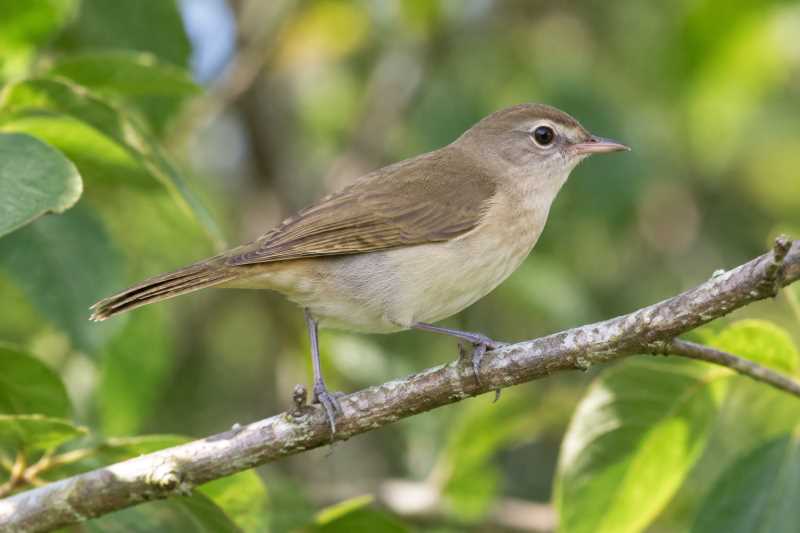
The Bare-eyed White-eye is a small bird, measuring approximately 10-12 cm in length. It is characterized by its olive-green upperparts and yellowish underparts. However, its most striking feature is the conspicuous bare skin patch around the eyes, which is more pronounced than in many other white-eye species. This feature not only aids in identification but also adds to the bird’s charismatic appearance.
Behavior and Ecology
White-eyes, including the Bare-eyed variety, are known for their social behavior. They often form small flocks, particularly outside the breeding season. This social structure is believed to provide several advantages, such as increased foraging efficiency and protection from predators.
The Bare-eyed White-eye is primarily insectivorous, feeding on a variety of small insects and spiders. However, it also includes nectar and fruits in its diet, displaying a level of dietary flexibility that is beneficial in its variable habitat. Its feeding behavior often involves gleaning insects from foliage and occasionally hovering to take nectar from flowers.
Reproduction and Lifespan
The breeding season of the Bare-eyed White-eye is not well-documented, but it is presumed to be influenced by the climatic conditions of its island habitat. Typical of the genus, these birds are monogamous, forming long-term pair bonds. Nests are usually cup-shaped, constructed from fine twigs and grasses, and placed in dense foliage to conceal them from potential predators.
The clutch size typically consists of two to four eggs, with both parents participating in incubation and chick-rearing duties. The cooperative nature of their breeding strategy enhances the survival rate of the offspring, ensuring the continuation of the species despite environmental challenges.
Conservation Status
Currently, the Bare-eyed White-eye is not listed as a species at risk of extinction. However, like many island endemics, it faces potential threats from habitat destruction, invasive species, and climate change. Conservation efforts are essential to preserve the delicate ecosystems of the Comoros Islands and the unique species they harbor.
Significance in Research
The Bare-eyed White-eye serves as a valuable subject in evolutionary and ecological studies due to its restricted range and unique adaptations. Research on this species can provide insights into island biogeography, speciation processes, and the impacts of environmental changes on isolated populations.
Moreover, the Bare-eyed White-eye is an emblematic species for understanding the dynamics of small population biology, offering a case study in how species adapt to limited resources and isolated environments.
Conclusion
The Bare-eyed White-eye is more than just a small bird with a peculiar eye feature. It is a symbol of the rich biodiversity found in island ecosystems and a reminder of the intricate balance needed to sustain such environments. Continued research and conservation efforts are vital to ensure that future generations can enjoy the sight of this fascinating bird in its natural habitat.
As we continue to explore and understand the natural world, the Bare-eyed White-eye stands as a testament to the beauty and complexity of life, encouraging us to protect the delicate tapestries of life that our planet supports.
Related posts