Introduction
The Serezkaya White-toothed Shrew (Crocidura serezkyensis) is a lesser-known but fascinating member of the Soricidae family. This diminutive mammal, named after the region of Serezkaya, is a species of white-toothed shrew, characterized by their lack of iron deposits on their teeth, which gives them a distinctive white appearance. Despite its small size, the Serezkaya White-toothed Shrew plays a critical role in its ecosystem, primarily through its diet of insects and other small invertebrates. This article aims to provide an in-depth look at this intriguing species, covering everything from its physical characteristics to its conservation status.
Physical Description
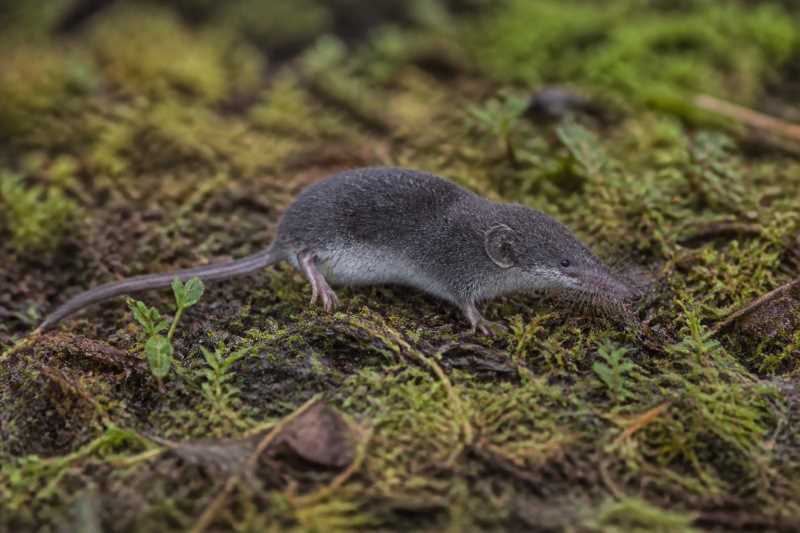
The Serezkaya White-toothed Shrew is a small mammal, typically measuring between 50 to 70 millimeters in body length, with a tail adding an additional 30 to 50 millimeters. It weighs approximately 5 to 15 grams, making it one of the smaller members of the white-toothed shrew genus. The species is distinguished by its soft, dense fur, which is typically a shade of gray to brown on the dorsal side and lighter on the ventral side. This coloration provides effective camouflage against the forest floor and underbrush where it resides.
The shrew’s most distinctive feature is its teeth, which, unlike many other shrew species, do not contain pigmented iron deposits, resulting in their characteristic white appearance. This feature is shared with other members of the genus Crocidura. Its pointed snout, small eyes, and rounded ears are typical of the shrew family, adapted for a life of burrowing and hunting insects.
Range and Habitat
The Serezkaya White-toothed Shrew is endemic to specific regions, primarily found in the temperate forests and grasslands of Central Asia. Its range extends across parts of Kazakhstan and Uzbekistan, with a preference for moist, forested areas that offer abundant cover and food sources. The species thrives in environments where there is a dense undergrowth, providing both protection from predators and a rich hunting ground for insects and other small prey.
These shrews are often found near streams and rivers, which not only supply water but also attract a variety of insects, making them ideal hunting grounds. The shrews construct their nests in burrows or under dense vegetation, which helps protect them from predators and harsh weather conditions.
Behavior and Diet
The Serezkaya White-toothed Shrew is primarily nocturnal, with most of its activity occurring at night. This behavior helps the shrew avoid many daytime predators and take advantage of the cooler temperatures. The species is solitary, with individuals maintaining small territories that they defend from intruders.
The diet of the Serezkaya White-toothed Shrew consists mainly of insects, spiders, and other small invertebrates. It uses its keen sense of smell and hearing to locate prey, often digging through leaf litter and soil to find hidden insects. The shrew’s high metabolic rate necessitates frequent feeding, and it must consume a significant portion of its body weight in food each day.
Identification Tips
Identifying the Serezkaya White-toothed Shrew in the field can be challenging due to its small size and the dense habitats it frequents. However, several key features can aid in its identification:
- Size and Shape: Look for a small, mouse-sized mammal with a slender, elongated body and a long tail.
- Fur: Note the coloration; this shrew’s fur is typically gray to brown on top with a lighter underside.
- Teeth: The unmistakable white teeth are a defining characteristic, although observing this feature may require a close-up view.
- Behavior: Look for signs of nocturnal activity, such as movement in leaf litter or soil disturbance in potential feeding areas.
Conservation Status
The conservation status of the Serezkaya White-toothed Shrew is currently listed as "Least Concern" by the International Union for Conservation of Nature (IUCN). However, like many small mammals, it faces several threats that could impact its population in the future.
Threats: Habitat loss due to agricultural expansion and deforestation poses a significant threat to this species. Additionally, the use of pesticides can reduce insect populations, directly affecting the shrew’s food supply. Climate change also presents a potential threat by altering the habitats and the availability of prey.
Protections: Conservation efforts for the Serezkaya White-toothed Shrew primarily focus on habitat preservation and management. Protected areas that encompass vital habitats are crucial for the species’ survival. Raising awareness about the ecological role of shrews and the importance of preserving their habitats is also essential.
Frequently Asked Questions
What is the diet of the Serezkaya White-toothed Shrew?
The Serezkaya White-toothed Shrew primarily feeds on insects, spiders, and other small invertebrates. It requires a high intake of food relative to its body weight due to its fast metabolism.
Where can the Serezkaya White-toothed Shrew be found?
This species is native to parts of Central Asia, particularly in the forested and grassy regions of Kazakhstan and Uzbekistan. It prefers moist environments near water sources.
How does the Serezkaya White-toothed Shrew differ from other shrews?
One distinctive feature of the Serezkaya White-toothed Shrew is its white teeth, which lack the iron pigmentation found in other shrew species. It is also smaller and has a specific range in Central Asia.
What are the main threats to the Serezkaya White-toothed Shrew?
The main threats include habitat loss due to agricultural and deforestation activities, pesticide use affecting prey availability, and climate change impacts.
How can we help protect the Serezkaya White-toothed Shrew?
Supporting conservation efforts that focus on habitat preservation and raising awareness about the species’ ecological importance can help protect the Serezkaya White-toothed Shrew.
Related posts