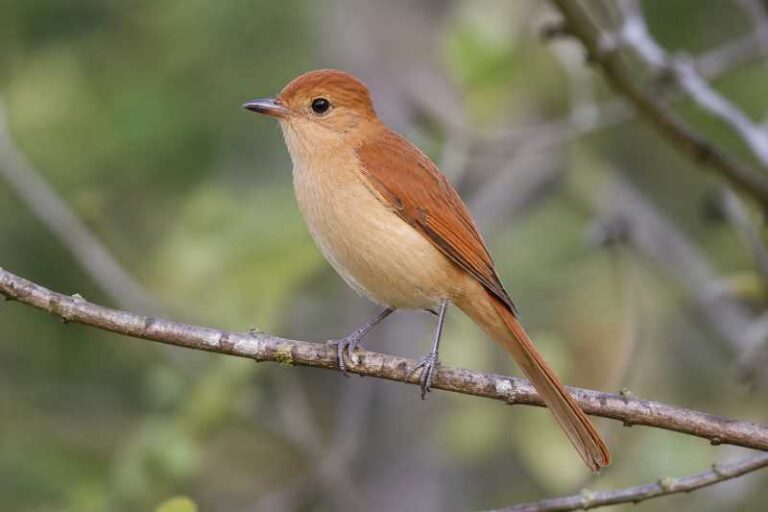
Ethiopian Boubou: The Enigmatic Songbird of Africa
Nestled in the verdant landscapes of the Horn of Africa, the Ethiopian Boubou (Laniarius aethiopicus) is a captivating bird species that has piqued the curiosity of ornithologists and bird enthusiasts alike. With its striking plumage and melodious calls, this avian wonder has carved a niche for itself in the biodiversity of the region. This article delves into the fascinating world of the Ethiopian Boubou, exploring its habitat, behavior, and the role it plays in the ecosystem.
Habitat and Distribution
The Ethiopian Boubou is primarily found in the eastern regions of Africa, with its range extending across Ethiopia, Eritrea, and parts of northern Somalia. It thrives in a variety of habitats, including dry savannas, scrublands, and dense thickets. This adaptability to different environments is a testament to the bird’s resilience and ability to thrive in the diverse climatic conditions of the region.
Preferring areas with thick vegetation, the Ethiopian Boubou often inhabits the undergrowth of forests and bushlands, where it can easily conceal itself from predators. Its preference for such habitats not only provides protection but also offers ample foraging opportunities.
Physical Characteristics
The Ethiopian Boubou is a medium-sized bird, measuring approximately 20-23 centimeters in length. It boasts a striking appearance, characterized by its sleek black upperparts contrasted with white underparts. One of the most distinctive features of this bird is its bright white wing patches, which are particularly visible when it is in flight.
Both males and females sport similar plumage, making it challenging to distinguish between the sexes in the field. However, subtle differences, such as size and territorial behavior, can sometimes offer clues to their gender.
Vocalizations and Behavior
Renowned for its rich vocal repertoire, the Ethiopian Boubou is a master of mimicry and melodious calls. Its song consists of a series of whistles and clicks, often performed as a duet between pairs. This vocal synchronization not only strengthens pair bonds but also serves as a territorial display to ward off rivals.
The Ethiopian Boubou’s ability to mimic other bird species adds an intriguing dimension to its vocalizations. This skill is thought to be an adaptive strategy to confuse predators and competitors, showcasing the bird’s intelligence and adaptability.
In terms of behavior, the Ethiopian Boubou is primarily insectivorous, feeding on a wide range of insects and small invertebrates. It employs a sit-and-wait strategy, perching quietly before pouncing on unsuspecting prey. This hunting technique is complemented by its sharp eyesight and acute hearing, making it a formidable predator in its habitat.
Breeding and Reproduction
The breeding season for the Ethiopian Boubou typically coincides with the onset of the rainy season, a time when food resources are abundant. During this period, pairs engage in elaborate courtship displays, which include synchronized singing and mutual preening.
Nests are usually constructed in dense thickets, providing protection from predators. The female lays a clutch of two to three eggs, which are incubated by both parents. This cooperative breeding strategy ensures that the young receive adequate care and attention, increasing their chances of survival.
Conservation Status
While the Ethiopian Boubou is currently listed as a species of Least Concern by the International Union for Conservation of Nature (IUCN), its habitat faces threats from human activities. Deforestation, agricultural expansion, and habitat fragmentation pose significant risks to the bird’s natural environment.
Conservation efforts are crucial to safeguarding the future of the Ethiopian Boubou and its habitat. Initiatives aimed at preserving natural landscapes and promoting sustainable land-use practices can help mitigate the impact of human encroachment.
The Ethiopian Boubou in Culture
The Ethiopian Boubou holds a special place in the cultural tapestry of the regions it inhabits. Its melodious calls and striking appearance have inspired local folklore and traditional songs. In some cultures, the bird is seen as a symbol of beauty and resilience, embodying the spirit of the African wilderness.
Conclusion
The Ethiopian Boubou is a remarkable avian species that continues to enchant those who encounter it. Its adaptability, vocal prowess, and striking appearance make it a subject of fascination for birdwatchers and researchers. As we strive to understand and protect this enigmatic songbird, we also gain insights into the intricate web of life that sustains our planet.
By promoting conservation efforts and fostering appreciation for the Ethiopian Boubou, we contribute to the preservation of biodiversity and the natural heritage of Africa. In doing so, we ensure that future generations can also experience the joy and wonder of this extraordinary bird.
Related posts