Understanding Marshall’s Iora: An Enigmatic Avian Jewel
Introduction
Marshall’s Iora, scientifically known as Aegithina nigrolutea, is a captivating bird species that has captured the interest of ornithologists and bird enthusiasts alike. Known for its vibrant plumage and melodious calls, this small passerine bird is predominantly found in the Indian subcontinent. Despite its relatively inconspicuous size, Marshall’s Iora plays a significant role in the biodiversity of its habitat. This article delves into the various aspects of this fascinating species, examining its characteristics, habitat, behavior, and conservation status.
Taxonomy and Classification
Marshall’s Iora belongs to the family Aegithinidae, which comprises four species within the genus Aegithina. The species name nigrolutea is derived from its distinct black and yellow coloration. First described by Allan Octavian Hume in the late 19th century, this bird was named in honor of the British naturalist Charles Marshall.
Physical Characteristics
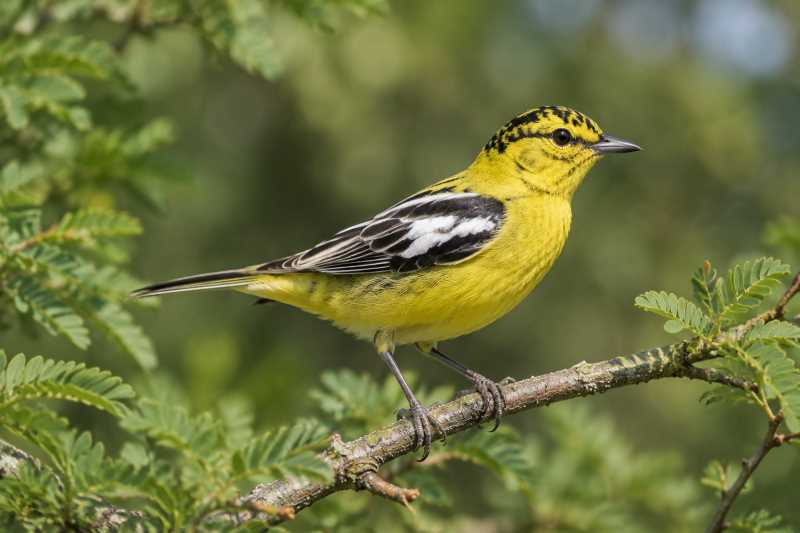
Marshall’s Iora is a small bird, measuring approximately 12-14 centimeters in length. It is easily identifiable by its striking plumage; males exhibit a bright yellow body with a contrasting black cap and wings, while females are generally duller, with olive-green upperparts and yellowish underparts. The species showcases sexual dimorphism, with males being more vividly colored, especially during the breeding season.
The bird’s wings are short and rounded, aiding in agile flight through dense foliage. Its bill is slender and slightly curved, an adaptation ideal for its insectivorous diet. The legs and feet are relatively strong, allowing for adept perching and maneuvering through branches.
Habitat and Distribution
Marshall’s Iora is predominantly found in the dry deciduous forests and scrublands of central and western India, with its range extending into parts of Pakistan. The species favors habitats with a mix of open woodland and shrubbery, which provide ample foraging opportunities and nesting sites.
The bird’s preference for dry habitats distinguishes it from the closely related Common Iora (Aegithina tiphia), which is more commonly found in moist deciduous and evergreen forests. Marshall’s Iora’s ability to thrive in arid environments showcases its adaptability and resilience.
Behavior and Diet
Marshall’s Iora is primarily insectivorous, feeding on a variety of insects such as caterpillars, beetles, and spiders. It forages actively among the foliage, often hanging upside down to reach insects on the undersides of leaves. This energetic foraging behavior is complemented by its frequent vocalizations, which include a range of melodious whistles and trills.
The species is generally seen in pairs or small family groups, especially during the breeding season. Males are known for their courtship displays, which involve puffing up their feathers and singing to attract females. Once a pair bond is established, both sexes participate in nest building.
Breeding and Nesting
Marshall’s Iora typically breeds during the monsoon season, from June to September. The nest is a small, cup-shaped structure constructed from grasses, plant fibers, and spider silk, usually placed in the fork of a tree branch. Both male and female contribute to the construction of the nest.
The female lays a clutch of 2-3 eggs, which are incubated for about 14-16 days. Both parents share responsibilities for incubating the eggs and feeding the chicks once they hatch. The young fledge approximately 12-14 days after hatching, but they remain dependent on their parents for food and protection for several weeks thereafter.
Vocalizations and Communication
Vocal communication plays a crucial role in the social dynamics of Marshall’s Iora. The bird’s repertoire includes a variety of calls used for mating, territorial defense, and alerting others to the presence of predators. The male’s song is particularly noted for its complex patterns and melodious quality, making it an important tool for attracting mates and establishing territory.
Conservation Status and Threats
Currently, Marshall’s Iora is classified as a species of "Least Concern" by the International Union for Conservation of Nature (IUCN). Despite this seemingly secure status, the bird faces several threats that could impact its population in the future.
Habitat loss due to agricultural expansion, urbanization, and deforestation poses a significant threat to the species. Additionally, the degradation of its natural habitat through overgrazing and firewood collection can lead to reduced foraging and nesting opportunities. Climate change also presents a potential risk, as alterations in rainfall patterns could affect the availability of food and nesting sites.
Conservation efforts for Marshall’s Iora should focus on protecting its natural habitat and promoting sustainable land use practices. Establishing protected areas and encouraging community participation in conservation efforts can help ensure the long-term survival of this captivating species.
Conclusion
Marshall’s Iora is a testament to the rich biodiversity of the Indian subcontinent. Its vibrant appearance, melodic calls, and adaptive behaviors make it a fascinating subject for study and appreciation. As we continue to explore and understand the complexities of this species, it is crucial to prioritize conservation efforts that protect its habitat and ensure its continued existence for future generations.
References
- Hume, A. O. (1877). "Notes on the Avifauna of the Indian Subcontinent." Journal of the Asiatic Society.
- BirdLife International. (2021). "Aegithina nigrolutea: Marshall’s Iora." The IUCN Red List of Threatened Species.
- Ali, S., & Ripley, S. D. (1983). "Handbook of the Birds of India and Pakistan." Oxford University Press.
Related posts