Introduction
The Martinique Giant Rice Rat, scientifically known as Megalomys desmarestii, was an extraordinary rodent species that once inhabited the Caribbean island of Martinique. This fascinating species is a part of the now-extinct genus Megalomys, known for its large size compared to typical rice rats. Despite its extinction, the Martinique Giant Rice Rat remains a subject of significant interest among researchers and naturalists due to its unique evolutionary adaptations and ecological role.
Physical Description
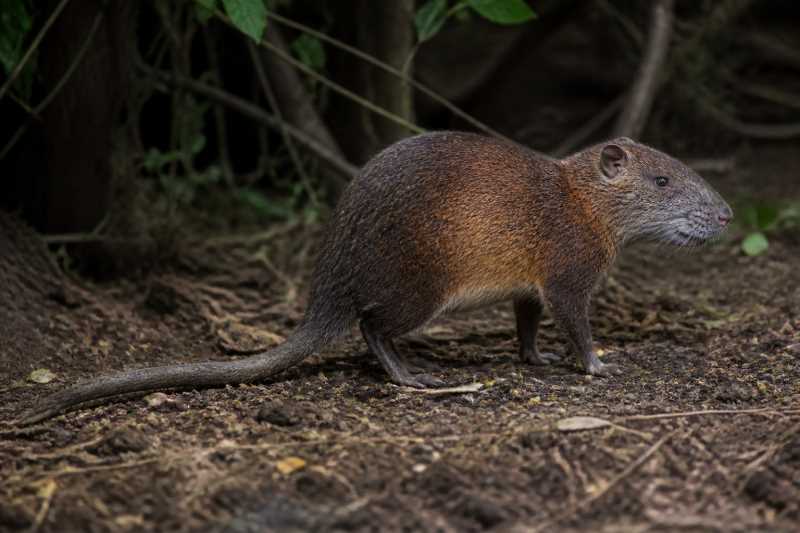
The Martinique Giant Rice Rat was notable for its considerable size, earning it the name "giant." It measured approximately 30 centimeters in body length, with an additional tail length of about 25 centimeters. Its fur was thick and coarse, predominantly brown with a greyish hue, which provided effective camouflage among the island’s natural vegetation. The species had a robust build with strong limbs, which were likely adapted for climbing and foraging. Its facial features included a pronounced snout and large, round ears that possibly aided in acute hearing.
Range and Habitat
Megalomys desmarestii was endemic to Martinique, a volcanic island in the Lesser Antilles of the Caribbean. Its habitat spanned the diverse landscapes of the island, from coastal regions to the lush, dense interiors. The species thrived in the tropical climate, which provided a rich array of food resources and dense vegetation for shelter. The rat was well-adapted to various microhabitats, including mangroves, forests, and even rocky areas, making it a versatile member of the island’s ecosystem.
Behavior and Diet
Little is known about the specific behaviors of the Martinique Giant Rice Rat, but it is believed to have been a nocturnal creature, primarily active during the night. This behavior likely helped it avoid predators and the intense tropical heat. The diet of Megalomys desmarestii was diverse, consisting of fruits, seeds, and possibly small invertebrates, reflecting the abundance of resources available on the island. Its foraging habits would have played a crucial role in seed dispersal, contributing to the ecological balance of its habitat.
Identification Tips
While the Martinique Giant Rice Rat is extinct and cannot be observed in the wild, identification in historical records and fossil findings relies on certain characteristics. Key identification features include:
- Size: Much larger than typical rice rats, with a body length of about 30 cm.
- Fur: Coarse and thick, primarily brown with greyish tones.
- Tail: Long and slightly hairy, around 25 cm in length, nearly matching the body length.
- Ears: Large and round, possibly aiding in acute hearing.
Conservation Status
The Martinique Giant Rice Rat is classified as extinct by the International Union for Conservation of Nature (IUCN). The primary factors leading to its extinction include habitat destruction, introduction of invasive species, and human activities. The arrival of European settlers brought with it habitat alteration and new predators, such as domestic cats and rats, which competed for resources and preyed on the native species. Conservation efforts today focus on understanding past extinctions to better protect existing species and prevent future losses in similar island ecosystems.
Frequently Asked Questions
What led to the extinction of the Martinique Giant Rice Rat?
The extinction of the Martinique Giant Rice Rat was primarily due to habitat destruction, introduction of invasive species, and predation by non-native animals like domestic cats and rats introduced by European settlers.
Was the Martinique Giant Rice Rat dangerous to humans?
There is no evidence to suggest that the Martinique Giant Rice Rat posed any danger to humans. Like most rodents, it was likely more of a nuisance due to its foraging habits.
Are there any efforts to revive extinct species like Megalomys desmarestii?
While there are ongoing discussions and technological advancements in de-extinction science, no specific efforts are currently targeting the revival of the Martinique Giant Rice Rat. Conservationists focus more on protecting existing endangered species.
How did the Martinique Giant Rice Rat contribute to its ecosystem?
The Martinique Giant Rice Rat likely played a significant role in seed dispersal through its diet of fruits and seeds, helping maintain the ecological balance of its habitat.
Can the Martinique Giant Rice Rat still be found anywhere today?
Unfortunately, the Martinique Giant Rice Rat is extinct and cannot be found anywhere today. It serves as a reminder of the fragility of island ecosystems and the impact of human activities on wildlife.
Related posts