Tawny-chested Flycatcher: A Rare Gem of Central American Avifauna
The Tawny-chested Flycatcher, scientifically known as Aphanotriccus capitalis, is a captivating bird species that holds a special place in the rich tapestry of Central American wildlife. This elusive flycatcher, with its distinctive plumage and unique behavioral traits, has intrigued ornithologists and bird enthusiasts alike. In this article, we delve into the world of the Tawny-chested Flycatcher, exploring its habitat, behavior, conservation status, and the challenges it faces in the wild.
Description and Identification
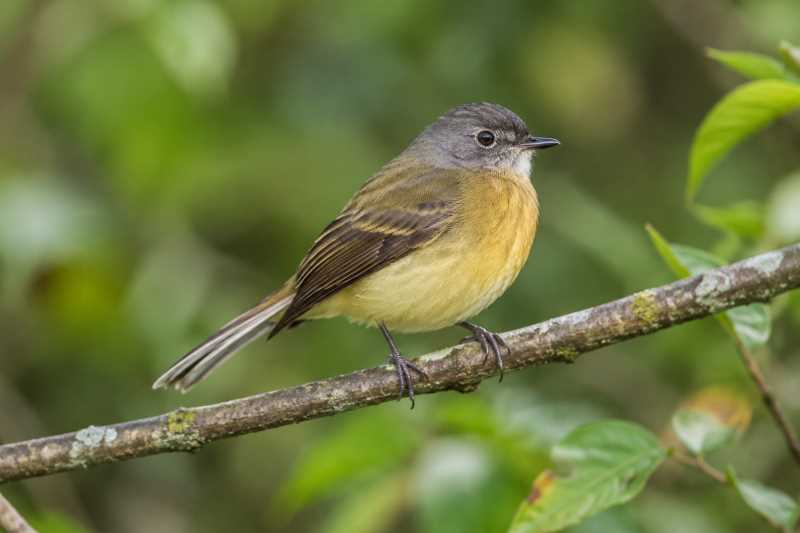
The Tawny-chested Flycatcher is a small passerine bird, measuring approximately 12.5 to 13 cm in length and weighing around 12 to 14 grams. It is characterized by its vibrant chestnut-colored chest and contrasting olive-green upperparts. The bird’s underparts are a softer, paler shade, providing a pleasing balance of colors that make it easily recognizable for those fortunate enough to spot it in its natural habitat.
One of the distinguishing features of the Tawny-chested Flycatcher is its distinctive head pattern, which includes a prominent white throat and a striking eye-ring that accentuates its large, dark eyes. These features, combined with its relatively short wings and tail, make it a unique member of the Tyrannidae family.
Habitat and Distribution
The Tawny-chested Flycatcher is endemic to the lowland and foothill forests of Central America. Its range extends from the Caribbean slopes of Honduras through Nicaragua and Costa Rica, all the way to western Panama. This species prefers the dense, humid undergrowth of evergreen forests, often favoring areas near water sources like streams and rivers.
Despite its relatively wide range, the Tawny-chested Flycatcher is considered uncommon and is often localized within its habitat. Its preference for dense forest understory makes it a challenging species to observe, contributing to its enigmatic status among birdwatchers.
Behavior and Ecology
The Tawny-chested Flycatcher is predominantly insectivorous, feeding on a diet rich in small insects and arthropods. It employs a typical flycatcher strategy of sallying from a perch to catch prey mid-air or gleaning it from foliage. Its foraging behavior is energetic and agile, reflecting its adaptation to the dense forest environment.
Breeding habits of the Tawny-chested Flycatcher are not well-documented, largely due to its elusive nature. However, it is known to nest in tree cavities or other concealed locations, often utilizing natural crevices or abandoned woodpecker holes.
Conservation Status and Threats
The Tawny-chested Flycatcher is currently listed as Near Threatened on the IUCN Red List. Although its population size is not precisely known, it is believed to be in decline, primarily due to habitat loss. Deforestation and fragmentation of lowland forests pose significant threats to this species, as they lead to the degradation of its natural habitat.
Conservation efforts are crucial for the survival of the Tawny-chested Flycatcher. Protecting its remaining habitat through the establishment of protected areas and promoting sustainable land-use practices are essential steps in ensuring the species’ long-term viability. Additionally, raising awareness about the ecological importance of maintaining healthy forest ecosystems can foster community support for conservation initiatives.
Observing the Tawny-chested Flycatcher
For birdwatchers hoping to catch a glimpse of the Tawny-chested Flycatcher, patience and perseverance are key. The best chance of observing this elusive bird is in the early morning or late afternoon when it is most active. Guided birding tours in regions like Costa Rica’s La Selva Biological Station or Panama’s Soberanía National Park offer opportunities to explore its natural habitat under the guidance of experienced ornithologists.
Conclusion
The Tawny-chested Flycatcher is a testament to the rich biodiversity of Central America and the intricate balance of its ecosystems. Despite its elusive nature, this bird captures the imagination of those who seek to understand and protect the natural world. Through concerted conservation efforts and increased awareness, there is hope that future generations will continue to marvel at the beauty and mystery of the Tawny-chested Flycatcher.
By preserving the habitats that sustain it, we not only protect a single species but also contribute to the health and diversity of the entire ecosystem. The Tawny-chested Flycatcher serves as a reminder of the delicate interconnectedness of nature and the responsibility we bear in safeguarding it for the future.
Related posts