Gould’s Mouse (Pseudomys gouldii): A Comprehensive Guide
Introduction
Gould’s Mouse, scientifically known as Pseudomys gouldii, is a fascinating yet enigmatic species native to Australia. This small mammal, once widespread across the continent, has sparked interest among researchers and conservationists due to its historical significance and subsequent decline. Named after the renowned English ornithologist and naturalist John Gould, Gould’s Mouse is a species of particular interest for those studying the biodiversity and ecological history of Australia.
Physical Description
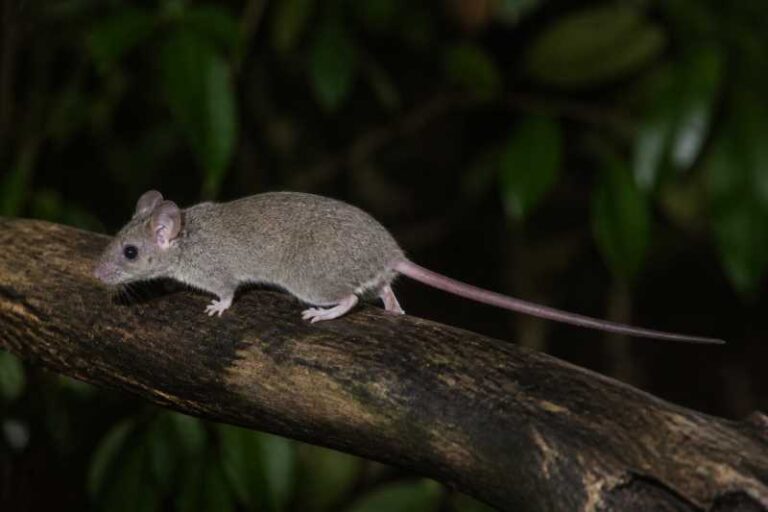
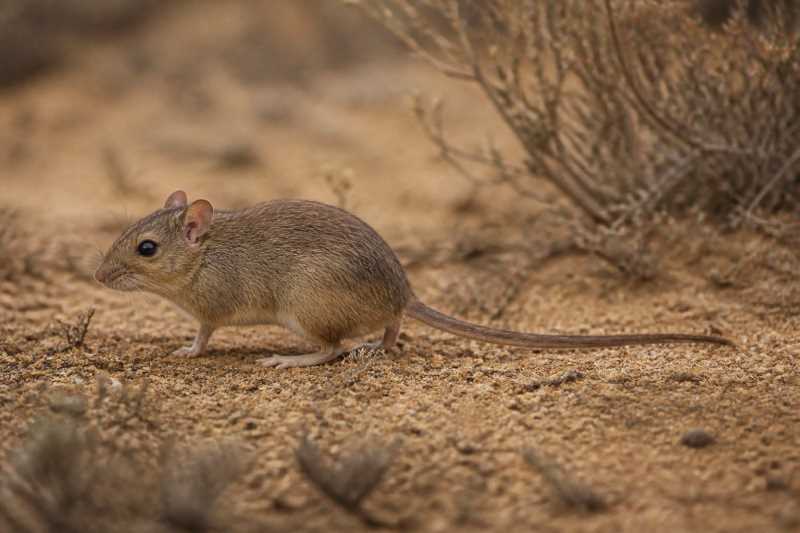
Gould’s Mouse is characterized by its small, delicate frame, typical of the Pseudomys genus. Adult individuals typically measure between 65 to 75 mm in body length, with a tail length of approximately 70 to 90 mm. Their fur is generally a soft grey-brown on the dorsal side, transitioning to a lighter, almost white, ventral side. The texture of the fur is fine and dense, providing insulation against the variable Australian climate. The ears are rounded and moderately sized, while the eyes are relatively large, a feature that suggests nocturnal activity. These physical characteristics not only contribute to its adaptability in different environments but also aid in its identification in the field.
Range and Habitat
Historically, Gould’s Mouse was distributed across a vast range of habitats throughout mainland Australia. From coastal areas to inland regions, this species was versatile in its habitat preferences. It occupied a variety of environments including grasslands, open woodlands, and scrublands. However, due to various ecological pressures, the range of Gould’s Mouse has significantly contracted. Today, it is believed to be extinct in the wild, with historical records indicating its presence in regions such as Western Australia, New South Wales, and South Australia. The loss of habitat due to agricultural expansion and urban development played a crucial role in its decline.
Behavior and Diet
Gould’s Mouse exhibited a range of behaviors that were well-suited to its environment. As a nocturnal creature, it was primarily active during the night, using its keen senses to forage for food and avoid predators. The diet of Gould’s Mouse consisted mainly of seeds, fruits, and insects, reflecting its omnivorous feeding habits. This varied diet allowed it to thrive in diverse habitats, where different food sources were available. Socially, Gould’s Mouse was known to form colonies, which provided protection and enhanced survival through collective vigilance against predators.
Identification Tips
Field recognition of Gould’s Mouse, though now largely academic due to its presumed extinction, can be aided by several key features. Observers should note the following characteristics:
- Size and Proportions: Small body size with a relatively long tail.
- Fur Coloration: Distinct grey-brown dorsal fur with a lighter ventral side.
- Ear and Eye Size: Moderately sized, rounded ears and large eyes.
- Behavioral Patterns: Nocturnal activity and social colony formation.
These cues are vital for distinguishing Gould’s Mouse from other sympatric rodent species.
Conservation Status
The conservation status of Gould’s Mouse is a poignant reminder of the impact of human activities on native wildlife. Currently listed as extinct by the IUCN Red List, this species’ decline is attributed to habitat destruction and the introduction of non-native predators such as cats and foxes. Conservation efforts have been complicated by the lack of confirmed sightings in recent decades. However, there are ongoing discussions about potential reintroduction programs using closely related species as ecological proxies to restore the balance in ecosystems once inhabited by Gould’s Mouse.
Threats
- Habitat Loss: Clearing of land for agriculture and urban development.
- Invasive Species: Predation by introduced species like feral cats and foxes.
- Fragmentation: Disruption of habitat continuity leading to isolated populations.
Protections
Efforts to protect similar habitats and control invasive species are ongoing, with the aim of preserving the ecological niches once occupied by Gould’s Mouse. These measures include habitat restoration projects and public awareness campaigns to highlight the importance of protecting Australia’s unique biodiversity.
Frequently Asked Questions
- What did Gould’s Mouse eat?
Gould’s Mouse had an omnivorous diet, primarily consuming seeds, fruits, and insects. This varied diet allowed it to adapt to different environmental conditions across its historical range.
- Why is Gould’s Mouse considered extinct?
Gould’s Mouse is considered extinct due to habitat destruction, predation by introduced species, and a lack of confirmed sightings in recent decades. These factors led to its decline and eventual disappearance from its natural habitats.
- Can Gould’s Mouse be reintroduced?
Reintroduction efforts are challenging due to the need for suitable habitat and the absence of remaining populations. However, conservationists are exploring the use of closely related species to fill the ecological role once occupied by Gould’s Mouse.
- Where was Gould’s Mouse originally found?
Gould’s Mouse was originally found throughout mainland Australia, including regions such as Western Australia, New South Wales, and South Australia, inhabiting diverse environments like grasslands and woodlands.
- How can we help prevent the extinction of similar species?
Preventing the extinction of similar species involves habitat conservation, controlling invasive species, and supporting ecological research and conservation programs. Public awareness and involvement in local conservation efforts are also crucial.
Related posts