Introduction
The Blue-grey Mouse, scientifically known as Pseudomys glaucus, is a fascinating and elusive rodent species native to Australia. Known for its distinctive coloring and elusive nature, this species has intrigued mammalogists and wildlife enthusiasts alike. Despite its seemingly unremarkable size, the Blue-grey Mouse plays a crucial role in its ecosystem, contributing to the biodiversity of the regions it inhabits. In this article, we delve deep into various aspects of this species, from its physical characteristics to its habitat, behavior, and conservation status.
Physical Description
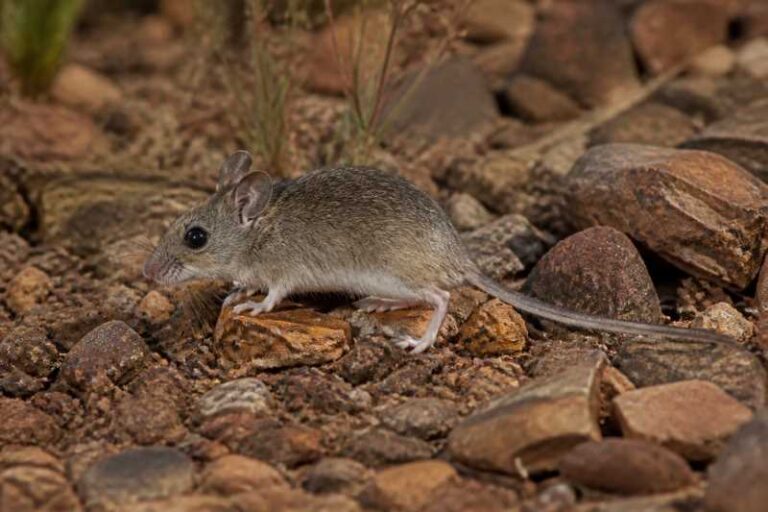
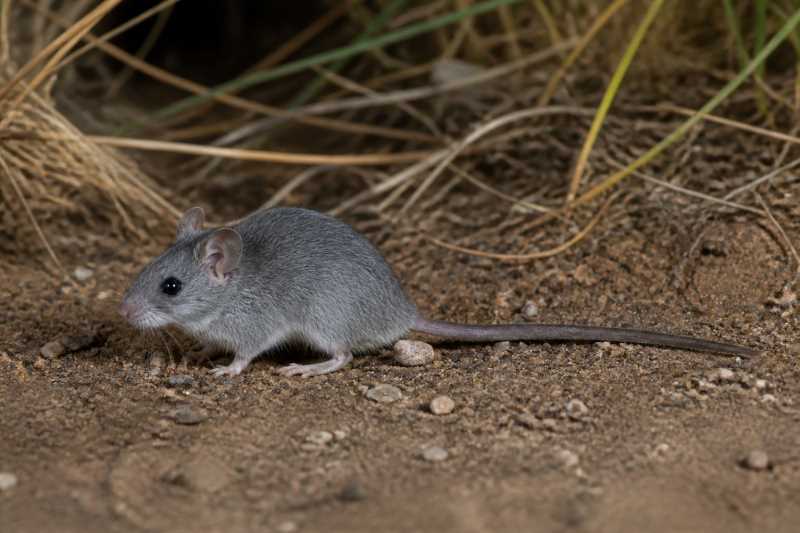
The Blue-grey Mouse is characterized by its soft, dense fur, which ranges in color from a muted blue-grey to slate. This coloration provides the mouse with an excellent camouflage against the rocky and bushy landscapes it inhabits. Typically, the mouse measures about 8 to 10 centimeters in body length, with a tail that is slightly longer than its body, aiding in balance and agility. It has small, rounded ears and sharp, beady eyes that are well adapted for nocturnal activity.
The fur on the underbelly of the Blue-grey Mouse is usually lighter, often white or pale grey, which contrasts sharply with its darker dorsal side. Its feet are slender, with sharp claws that are well-suited for digging and climbing. The weight of an adult Blue-grey Mouse ranges between 15 to 25 grams, making it a lightweight yet agile mammal.
Range and Habitat
Historically, the Blue-grey Mouse was found across various parts of eastern Australia, predominantly in Queensland and New South Wales. However, recent assessments suggest that its range has drastically reduced, and sightings have become exceedingly rare.
The preferred habitat of the Blue-grey Mouse includes dry sclerophyll forests, heathlands, and areas with dense undergrowth. These environments provide the necessary cover and food resources for the species. The mouse is known to create elaborate burrows in the soft soil, which serve as both nesting sites and protection from predators.
Behavior and Diet
The Blue-grey Mouse is primarily nocturnal, venturing out of its burrow during the night to forage for food. Its diet mainly consists of seeds, fruits, and occasionally insects, making it an omnivore. The mouse plays a vital role in seed dispersion, contributing to the ecological balance of its habitat.
Socially, the Blue-grey Mouse is relatively solitary, with individuals only coming together for mating purposes. Females usually give birth to litters of 3 to 6 young after a gestation period of about 30 days. The young are weaned after approximately three weeks and reach maturity at around three months of age.
Identification Tips (Field Recognition Cues)
Identifying the Blue-grey Mouse in the wild can be challenging due to its elusive nature and nocturnal habits. However, there are several field recognition cues that can assist:
- Coloration: Look for the distinctive blue-grey coloration of the fur, which can be a key identifier.
- Size and Shape: Note the small size and slender build, with a tail longer than the body.
- Tracks and Burrows: Search for small burrows and tiny tracks in sandy or soft soil areas.
- Behavior: Observe nocturnal activity patterns if possible, as the mouse is rarely seen during the day.
Conservation Status (With Threats and Protections)
The Blue-grey Mouse is currently listed as ‘Critically Endangered’ on the IUCN Red List. The main threats to its survival include habitat destruction due to agriculture, urbanization, and climate change. Additionally, predation by introduced species such as cats and foxes has significantly impacted its population.
Conservation efforts are underway to protect the remaining populations of the Blue-grey Mouse. These include habitat restoration projects, predator control programs, and further research to better understand the species’ ecology and needs. Public awareness campaigns also aim to highlight the importance of preserving this unique species and its habitat.
Frequently Asked Questions
Why is this species unique?
The Blue-grey Mouse is unique due to its rare coloration and elusive nature. Its adaptation to specific habitats and contribution to seed dispersion within its ecosystem further highlight its ecological importance.
What are the main threats to the Blue-grey Mouse?
The primary threats include habitat destruction, predation by introduced species, and climate change. These factors have contributed to its critically endangered status.
How can we help in the conservation of the Blue-grey Mouse?
Supporting habitat restoration projects, promoting awareness, and participating in conservation programs can aid in protecting this species. Reducing habitat destruction and controlling invasive species are also vital steps.
Where can the Blue-grey Mouse be found today?
Currently, the Blue-grey Mouse is found in small, fragmented populations in select areas of Queensland and New South Wales, though sightings are rare.
Are there any successful conservation programs for this species?
Yes, there are ongoing conservation efforts focusing on habitat restoration and predator control, which aim to stabilize and increase the Blue-grey Mouse populations.
Related posts