Introduction
The Rhebok, scientifically known as Pelea capreolus, is a distinctive antelope species native to the southern regions of Africa. Revered for its graceful appearance and agility, the Rhebok, or as it’s commonly referred to, the Grey Rhebok, is often observed traversing the grasslands, rocky hills, and mountainous terrains of its habitat. Despite its elegance, this species remains relatively obscure compared to other African wildlife, making it a fascinating subject for both researchers and wildlife enthusiasts.
As a species, the Rhebok holds an essential role in its ecosystem, contributing to the biodiversity that makes the African landscapes so unique. Unfortunately, like many species, it faces numerous challenges that threaten its survival. In this comprehensive exploration, we will delve into the various aspects of the Rhebok, from its physical characteristics to its conservation status, providing valuable insights into this lesser-known mammal.
Physical Description
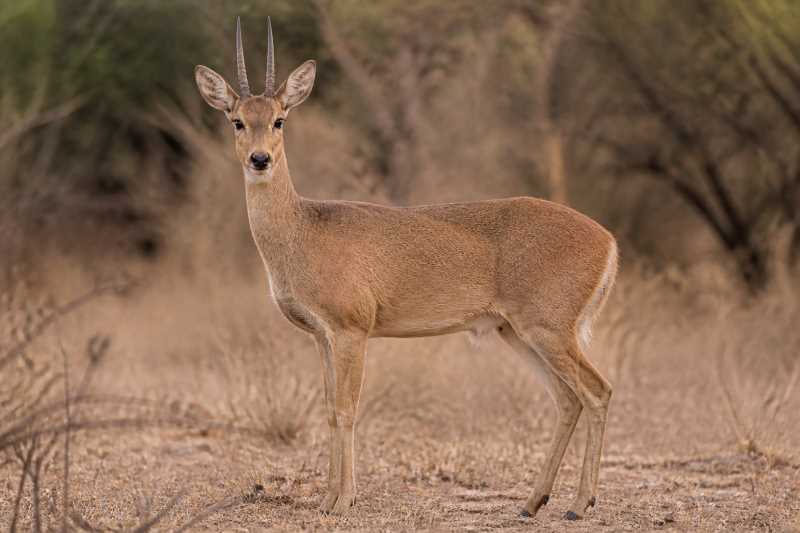
The Rhebok is a medium-sized antelope characterized by its sleek, streamlined body and conspicuous horns. Typically, the males possess straight, upright horns that can reach up to 25 cm in length, whereas females are hornless. Both sexes have a uniform grey-brown coat that blends seamlessly with their surroundings, offering an effective camouflage against predators.
Their fur is dense and woolly, providing insulation against the cooler climates of their elevated habitats. A distinctive feature is the white underbelly and the lighter shade on the inner legs, which contrasts with their darker upper body. Standing at approximately 75–90 cm at the shoulder and weighing between 19 and 30 kg, the Rhebok is built for speed and agility, aiding its ability to navigate steep and rocky terrain with ease.
Range and Habitat
The Rhebok is primarily found in the southern parts of Africa, with its range extending across South Africa, Lesotho, and Eswatini. They are endemic to this region, thriving in high-altitude grasslands and montane habitats, which provide the open spaces they need to detect predators from a distance.
These habitats are characterized by rugged terrain, including rocky outcrops and sparse vegetation, which are ideal for the Rhebok’s grazing needs. The species prefers areas with abundant grassy plains interspersed with bushes and shrubs, which offer both food and shelter. Their preference for elevated areas often sees them residing at altitudes ranging from 1,200 to 2,200 meters, where they can effectively use their keen eyesight to spot threats.
Behavior and Diet
Rheboks are diurnal creatures, primarily active during the cooler parts of the day, such as early mornings and late afternoons. They live in small herds typically comprising a dominant male, several females, and their offspring. Social structure is maintained through a range of behaviors, including grooming and vocalizations.
Their diet primarily consists of grasses, leaves, and herbs, making them grazers that require vast areas of land to sustain their nutritional needs. During dry seasons, when grasses become scarce, Rheboks may supplement their diet with available shrubs and other vegetation. Water is obtained from their food, although they do require access to water sources during prolonged dry spells.
Rheboks are known for their impressive speed and agility, which they use to evade predators such as leopards, caracals, and jackals. Their ability to quickly navigate the rocky terrain of their habitat gives them an advantage in escaping these threats.
Identification Tips (Field Recognition Cues)
Recognizing a Rhebok in the field requires attention to several key features:
- Horns: Only males have straight, upright horns. Females lack these features entirely, which can aid in sex identification.
- Coloration: The uniform grey-brown coat with a lighter underbelly and inner legs is a distinctive marker.
- Size: Medium-sized with a body height of 75–90 cm at the shoulder.
- Behavior: Observing their behavior can also help, as they often move in small herds and are more active during cooler parts of the day.
- Habitat: They are often found in high-altitude grasslands with rocky features.
Conservation Status (with Threats and Protections)
The Rhebok is currently classified as Least Concern by the International Union for Conservation of Nature (IUCN). However, this status does not mean the species is free from threats. Habitat loss due to agricultural expansion and human encroachment poses a significant risk, as it reduces the available grazing land and disrupts their natural habitats.
Poaching, although not as prevalent as with other African mammals, still poses a threat, particularly for their meat and horns. In response, several conservation efforts have been implemented, including habitat protection through the establishment of reserves and protected areas.
Efforts to educate local communities about the ecological importance of the Rhebok are also underway, helping to foster coexistence and reduce human-wildlife conflict. Continued monitoring of population trends is essential to ensure that conservation strategies remain relevant and effective.
Frequently Asked Questions
What is the primary diet of the Rhebok?
Rheboks primarily graze on grasses, leaves, and herbs. During dry seasons, they may also consume shrubs and other vegetation to supplement their diet.
Where can I typically find the Rhebok in the wild?
Rheboks are found in the southern regions of Africa, particularly in South Africa, Lesotho, and Eswatini. They inhabit high-altitude grasslands and montane regions.
How can I distinguish a male Rhebok from a female?
Male Rheboks can be distinguished by their straight, upright horns, whereas females do not possess horns. Additionally, males are generally slightly larger than females.
What are the main threats to the Rhebok population?
The main threats to the Rhebok include habitat loss due to agricultural expansion, human encroachment, and poaching for their meat and horns.
How does the Rhebok adapt to its environment?
The Rhebok is adapted to its environment through its dense, woolly coat for insulation, keen eyesight for spotting predators, and agility to navigate rocky terrains effectively.
Related posts