Introduction
The Mzab Gundi (Massoutiera mzabi) is a small, herbivorous rodent that is native to the arid regions of North Africa. This intriguing species, belonging to the family Ctenodactylidae, is known for its remarkable adaptation to harsh desert environments. Its common name, Mzab Gundi, is derived from the M’zab Valley in Algeria, one of the primary locations where these animals are found. Despite their relatively obscure status in the animal kingdom, Mzab Gundis play a crucial role in their ecosystems, acting as both prey and seed dispersers.
Understanding the Mzab Gundi’s biology and ecology is essential for conservation efforts, as these creatures face various threats from habitat loss and climate change. This comprehensive article will delve into the physical characteristics, habitat preferences, behaviors, and conservation status of the Mzab Gundi, providing valuable insights into this lesser-known mammal species.
Physical Description
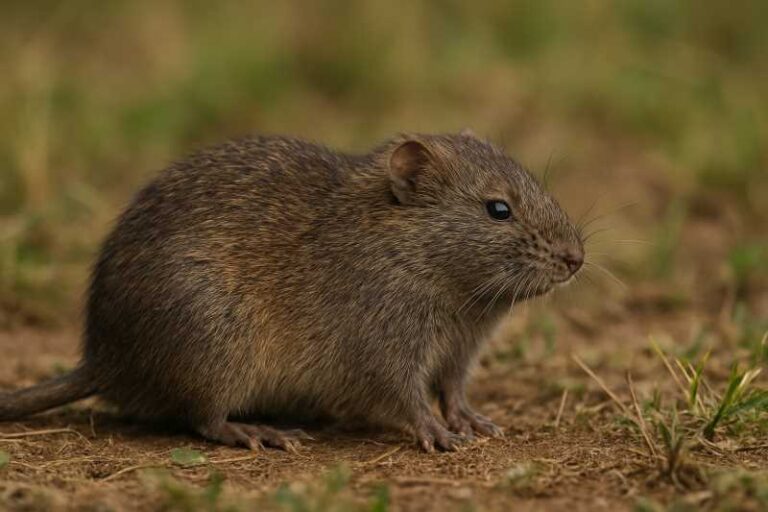
The Mzab Gundi is a small, robust rodent with a compact body that typically measures between 16 to 20 centimeters in length, excluding its tail, which is relatively short and measures about 1 to 2 centimeters. They weigh approximately 170 to 200 grams, with males generally being slightly larger than females. Their fur is dense and soft, providing insulation against the extreme temperatures of their desert habitat. The coloration of their fur ranges from sandy brown to grayish, which provides effective camouflage against the rocky desert landscapes.
One of the most distinctive physical features of the Mzab Gundi is its large, rounded ears, which are not only crucial for thermoregulation but also enhance their hearing ability. Their eyes are large and adapted for low-light conditions, allowing them to be active during dawn and dusk. The Mzab Gundi’s limbs are short but strong, with sharp claws that are well-suited for digging and climbing rocky surfaces.
Range and Habitat
Mzab Gundis are primarily found in the arid and semi-arid regions of North Africa, including Algeria, Tunisia, Libya, and parts of Egypt. They inhabit rocky outcrops, cliffs, and desert plateaus where they can find shelter from predators and extreme weather conditions. These rodents are well-adapted to desert environments, capable of surviving in areas with sparse vegetation and limited water availability.
Their habitat preference for rocky terrains is closely linked to their need for crevices and burrows, which provide protection from predators and harsh environmental conditions. Mzab Gundis have also been observed in regions with scattered shrubs and grasses, which constitute their primary food sources.
Behavior and Diet
Mzab Gundis are primarily diurnal, with peak activity occurring during the cooler hours of the morning and late afternoon. They are social animals, often found in small family groups that communicate through a series of vocalizations and physical gestures. These social structures are vital for their survival, as group living provides increased vigilance against predators and facilitates cooperative foraging.
The diet of the Mzab Gundi is predominantly herbivorous, consisting mainly of leaves, stems, seeds, and occasional fruits. Due to the scarcity of water in their habitat, they have adapted to extract moisture from the food they consume. Their efficient digestive system allows them to thrive on a diet that is high in cellulose and low in water content.
Identification Tips (Field Recognition Cues)
Identifying a Mzab Gundi in the wild can be challenging due to their elusive nature and effective camouflage. However, there are several key characteristics that can aid in their identification:
- Body Size and Shape: Look for a small, stocky rodent with a compact body and a short tail.
- Fur Coloration: Their sandy brown to grayish fur blends well with rocky desert environments.
- Ear and Eye Size: Notice their large, rounded ears and prominent eyes, which are adapted for desert conditions.
- Behavior: Observe their social behavior and group dynamics, as they are often found in familial groups.
Conservation Status (With Threats and Protections)
The Mzab Gundi is currently listed as a species of "Least Concern" by the International Union for Conservation of Nature (IUCN). However, they face several threats that could impact their populations in the future. Habitat destruction due to human activities such as agriculture, urbanization, and mining poses significant risks to their natural environments. Additionally, climate change could further exacerbate habitat loss and food scarcity.
Conservation efforts for the Mzab Gundi include habitat preservation and monitoring population trends to ensure their continued survival. Protected areas and national parks play a crucial role in safeguarding their habitats from further degradation. Public awareness and education about the ecological significance of the Mzab Gundi can also contribute to their conservation.
Frequently Asked Questions
What do Mzab Gundis eat?
Mzab Gundis are herbivores that primarily consume leaves, stems, seeds, and occasionally fruits. They have adapted to extract moisture from their food, allowing them to survive in arid environments.
Where can Mzab Gundis be found?
Mzab Gundis are native to North Africa, particularly in Algeria, Tunisia, Libya, and parts of Egypt. They inhabit rocky outcrops, cliffs, and desert plateaus with sparse vegetation.
How do Mzab Gundis survive in the desert?
Mzab Gundis have several adaptations that allow them to thrive in desert environments, including their ability to extract moisture from food, efficient thermoregulation, and social behaviors that enhance survival.
Are Mzab Gundis endangered?
Currently, Mzab Gundis are listed as "Least Concern" by the IUCN. However, they face threats from habitat destruction and climate change, which could impact their populations in the future.
How can you identify a Mzab Gundi in the wild?
Look for a small, stocky rodent with a sandy brown to grayish fur, large rounded ears, and prominent eyes. They are often observed in familial groups and inhabit rocky terrains.
Related posts