Introduction
The Fulvus Roundleaf Bat, scientifically known as Hipposideros fulvus, is a fascinating member of the mammalian order Chiroptera. This species, belonging to the family Hipposideridae, is one of the numerous bat species that exhibit unique adaptations for echolocation and nocturnal life. Known for its distinctive facial structures, the Fulvus Roundleaf Bat plays a crucial role in its ecosystem, primarily through insect population control. This article delves into the various aspects of this intriguing species, including its physical characteristics, habitat, behavior, and conservation status.
Physical Description
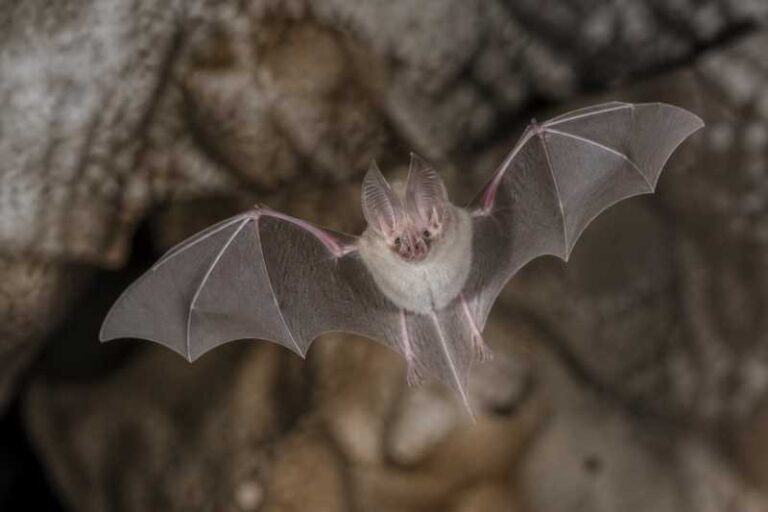
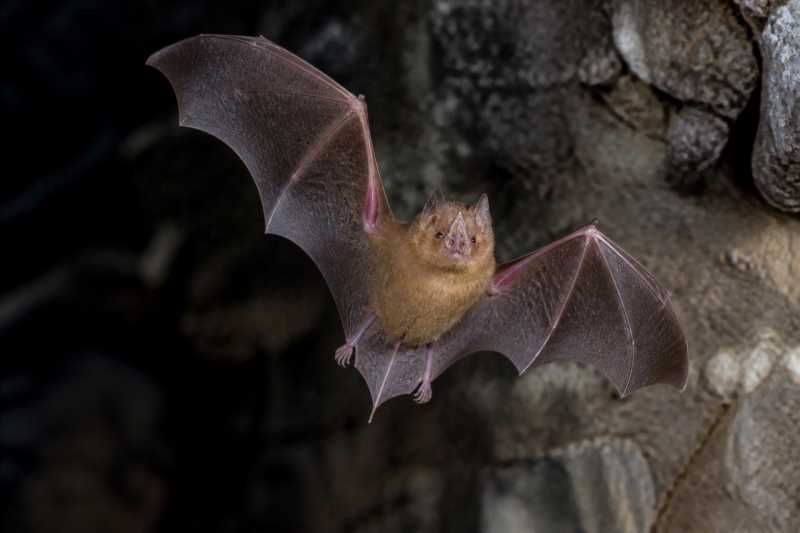
The Fulvus Roundleaf Bat is a medium-sized bat, with adults typically weighing between 6 to 12 grams and exhibiting a wingspan of approximately 30 to 34 centimeters. As its name suggests, the species is distinguished by its roundleaf-shaped nose-leaf, a specialized structure that aids in its echolocation capabilities. The fur of Hipposideros fulvus is generally a fulvous or tawny color, providing excellent camouflage in its natural habitat. The wings are relatively long and narrow, facilitating agile flight and quick maneuvers necessary for catching prey.
One of the most distinctive features of the Fulvus Roundleaf Bat is its complex nose-leaf structure, which is used to modulate the frequency of echolocation calls. This adaptation is essential for navigating and hunting in the dark, ensuring these bats can detect and capture insects with precision.
Range and Habitat
Hipposideros fulvus is primarily found across South Asia, with its range extending through India, Nepal, Bangladesh, Sri Lanka, and parts of Southeast Asia, including Thailand and Vietnam. The species inhabits a variety of environments, from dry and moist deciduous forests to scrublands and grasslands. They are also known to occupy roosting sites in caves, old buildings, and other sheltered locations that provide protection from predators and harsh weather conditions.
The adaptability of the Fulvus Roundleaf Bat to different habitats highlights its ecological versatility, though it is most commonly associated with forested regions where insect prey is abundant. The presence of water bodies near roosting sites is also crucial as these areas tend to support higher insect densities, thus providing ample feeding opportunities.
Behavior and Diet
Fulvus Roundleaf Bats are nocturnal creatures, emerging from their roosts at dusk to forage for food. Their diet primarily consists of insects, including moths, beetles, and other small invertebrates. They employ sophisticated echolocation techniques to hunt, emitting high-frequency calls and interpreting the returning echoes to pinpoint the location, size, and even the type of prey.
These bats are social animals, often forming colonies that can range from a few individuals to several hundred. Roosting together offers them protection and increases their chances of detecting predators. Communication within these colonies is facilitated through a series of vocalizations used for mating, navigation, and alerting others to potential threats.
Identification Tips (Field Recognition Cues)
Identifying the Fulvus Roundleaf Bat in the field can be challenging due to its nocturnal habits and the presence of similar species. However, there are several key characteristics that can aid in its recognition:
- Nose-leaf Shape: The distinctive roundleaf-shaped nose-leaf is a primary identification feature. This structure is more pronounced in Hipposideros fulvus compared to other bat species.
- Fur Color: The fulvous or tawny-colored fur is another distinguishing trait. Observers should look for this color when identifying the species.
- Flight Pattern: These bats exhibit agile flight patterns with rapid turns and dives, a behavior typical during insect hunting.
- Echolocation Calls: Using a bat detector, observers can identify the species by its specific echolocation frequency range, which is typically around 110 kHz.
Conservation Status (with threats and protections)
The Fulvus Roundleaf Bat is currently listed as Least Concern on the IUCN Red List. Despite this status, the species faces several threats that could impact its population in the future. Habitat destruction and fragmentation due to agricultural expansion, urban development, and deforestation are primary threats. Additionally, disturbances to roosting sites, such as cave tourism and mining activities, pose significant risks.
Conservation efforts for Hipposideros fulvus include protecting critical habitats and implementing measures to minimize disturbances at roosting sites. Environmental education and awareness campaigns are also essential to promote coexistence between humans and bat populations, emphasizing the ecological importance of bats in controlling insect populations.
Frequently Asked Questions
What does the Fulvus Roundleaf Bat eat? The Fulvus Roundleaf Bat primarily feeds on insects, including moths and beetles. It uses echolocation to detect and catch prey during nocturnal foraging excursions.
Where can I find the Fulvus Roundleaf Bat? This species is commonly found in South Asia, particularly in India, Nepal, and Sri Lanka. It inhabits forested areas, caves, and old buildings, where it roosts during the day.
How does the Fulvus Roundleaf Bat use echolocation? The bat emits high-frequency sound waves from its mouth or nose-leaf. These sounds bounce off objects and return as echoes, allowing the bat to navigate and hunt in the dark.
What are the physical characteristics of the Fulvus Roundleaf Bat? They have a distinct roundleaf-shaped nose-leaf, fulvous-colored fur, and long, narrow wings. These features aid in efficient flight and echolocation.
Are Fulvus Roundleaf Bats endangered? Currently, they are listed as Least Concern by the IUCN. However, they face threats from habitat destruction and disturbances to their roosting sites.
Related posts